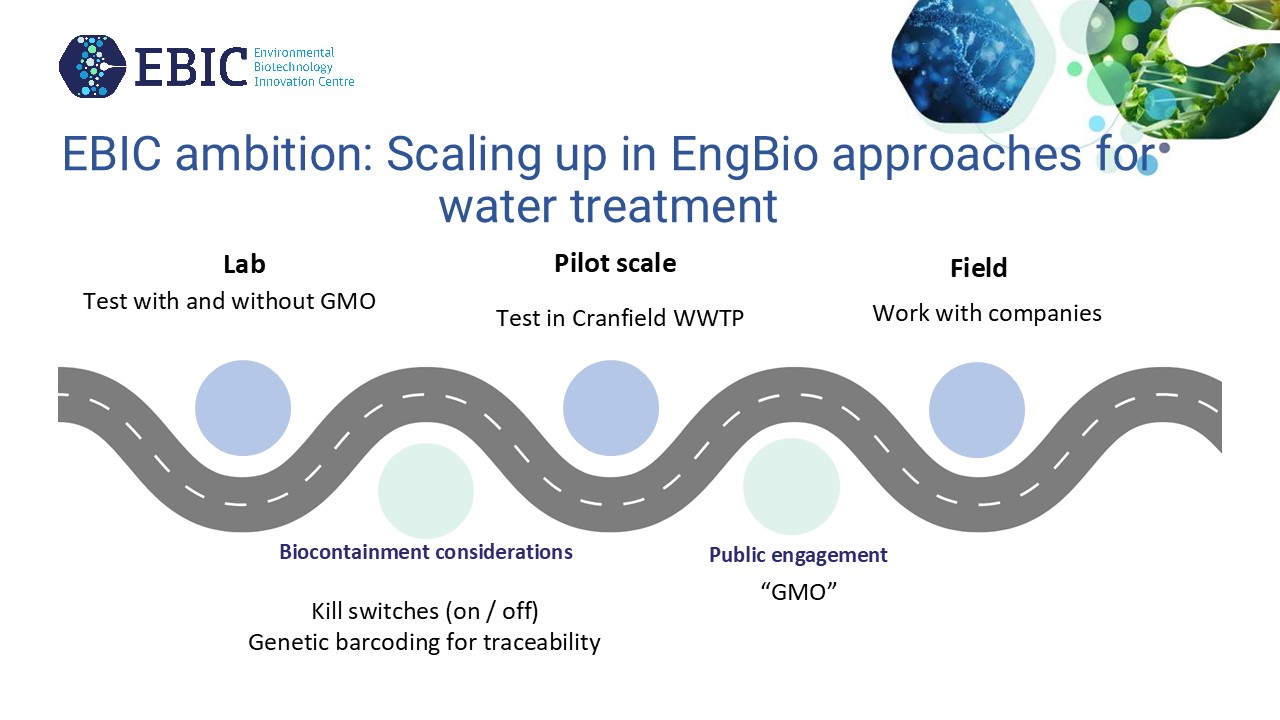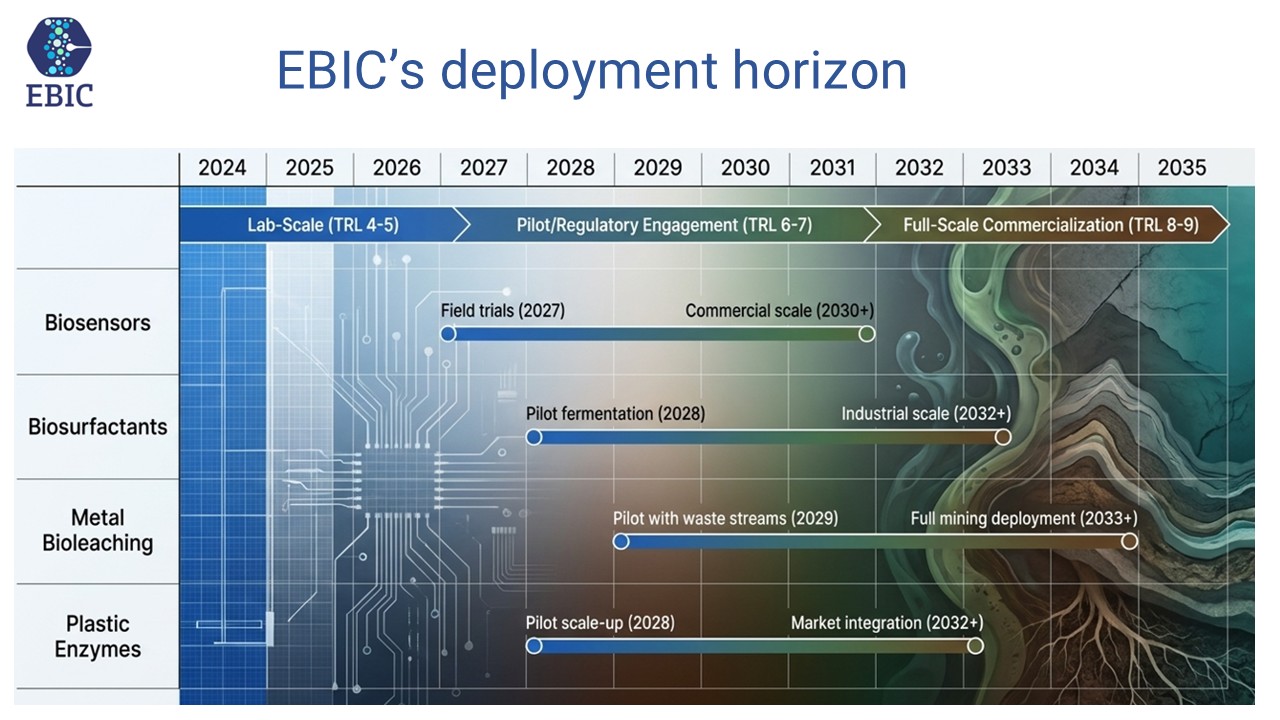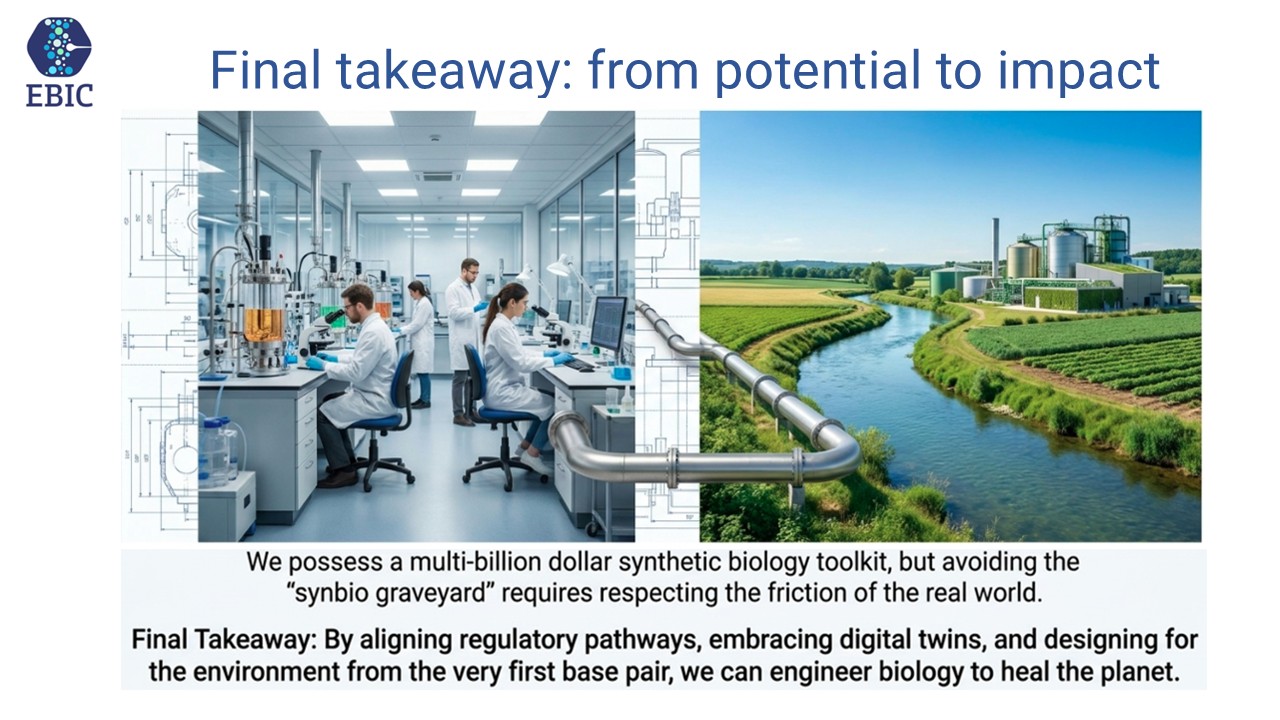
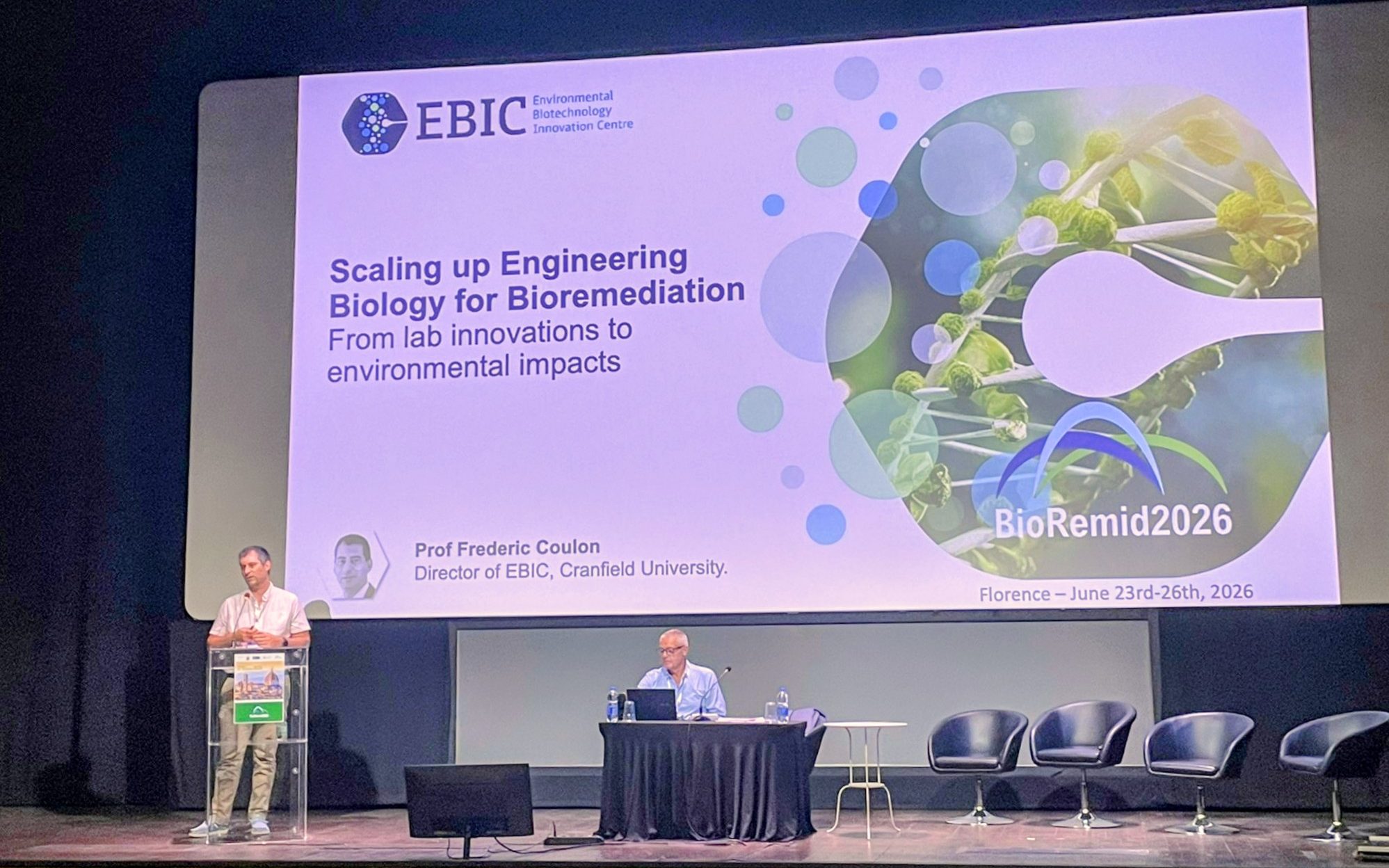
I am pleased to share that I have been invited to deliver a plenary keynote at Bioremid 2026 on “Scaling Up Engineering Biology for Bioremediation: From Laboratory Innovation to Environmental Impact”. This invitation reflects growing international interest in how environmental engineering biology can move beyond proof-of-concept studies and begin to deliver robust, scalable solutions for real-world pollution challenges.
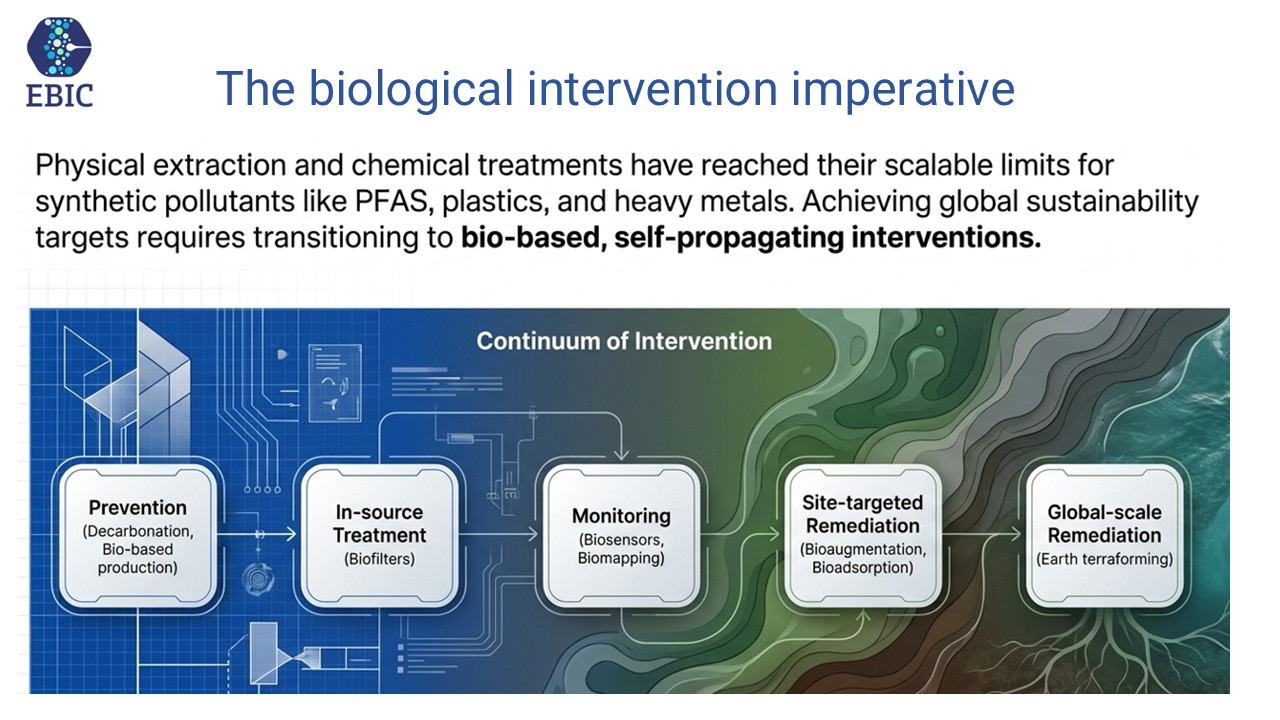
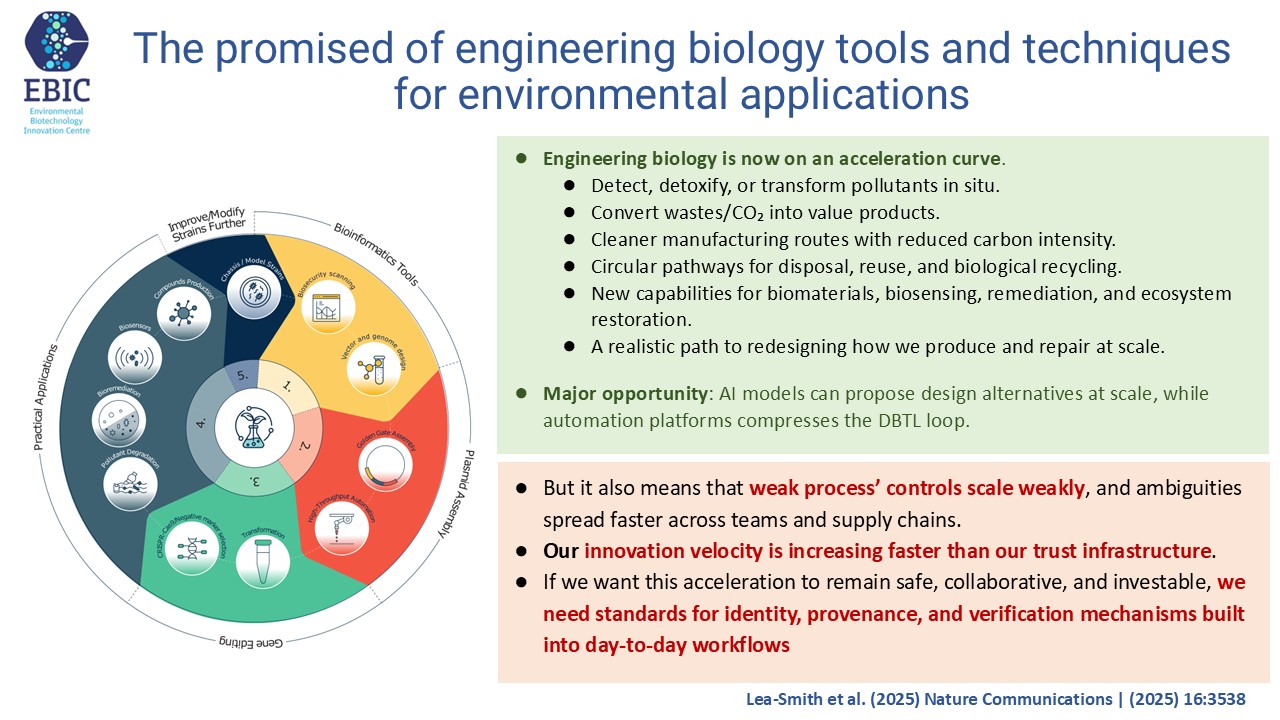
Human activity has fundamentally altered the Earth system, leaving persistent chemical signatures across ecosystems—from PFAS in drinking water and microplastics in marine environments to complex mixtures of industrial contaminants in soils and sediments. Engineering biology offers powerful new capabilities to detect, transform, and remove these pollutants. However, translating laboratory performance into reliable environmental outcomes remains a major scientific and engineering challenge.
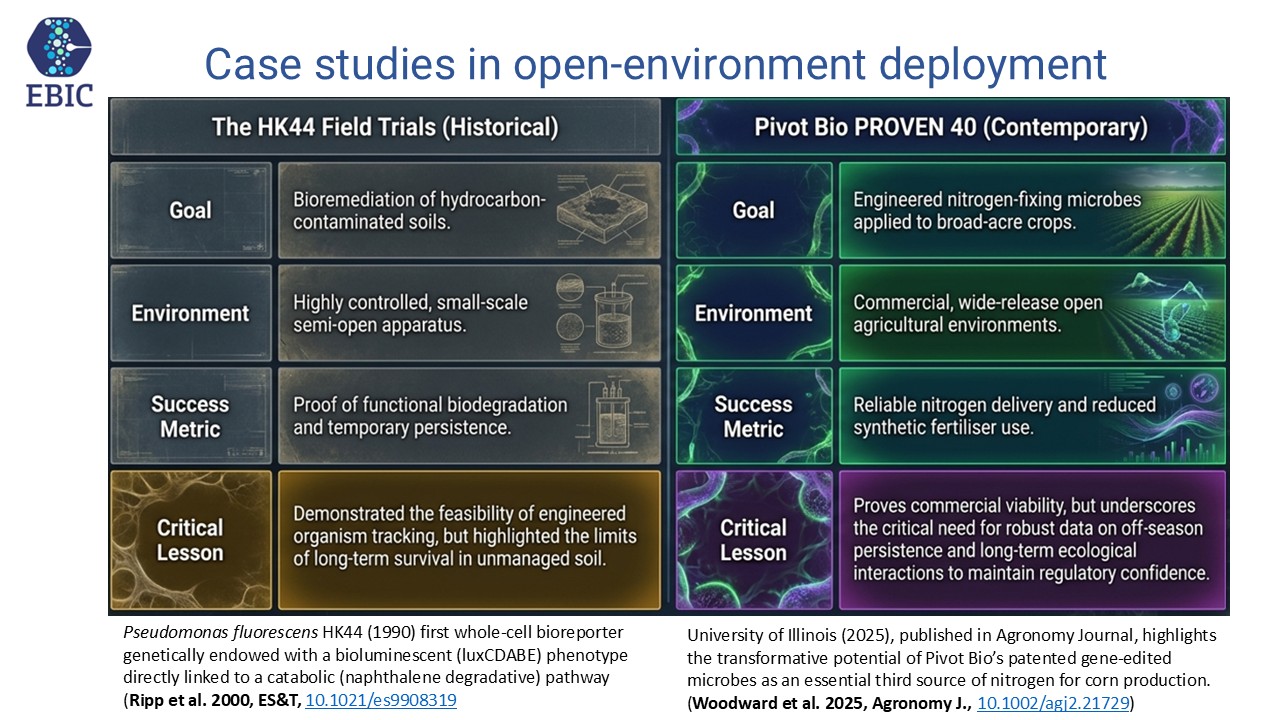
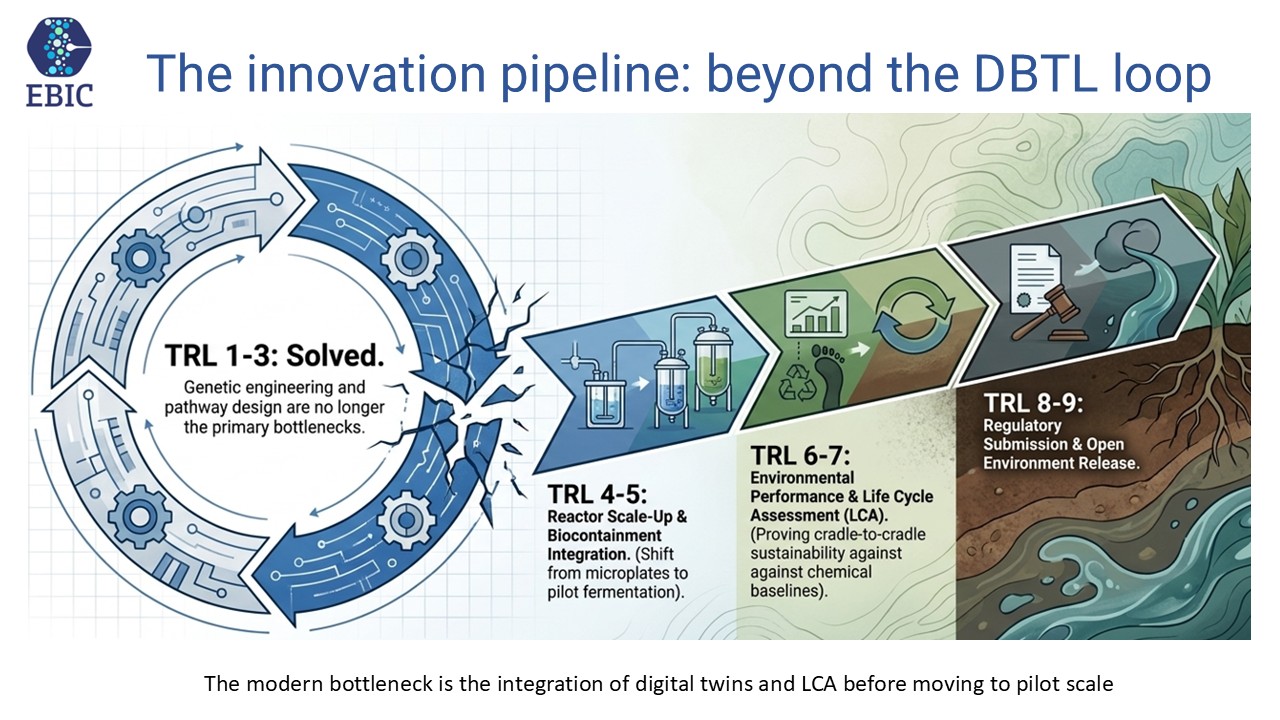
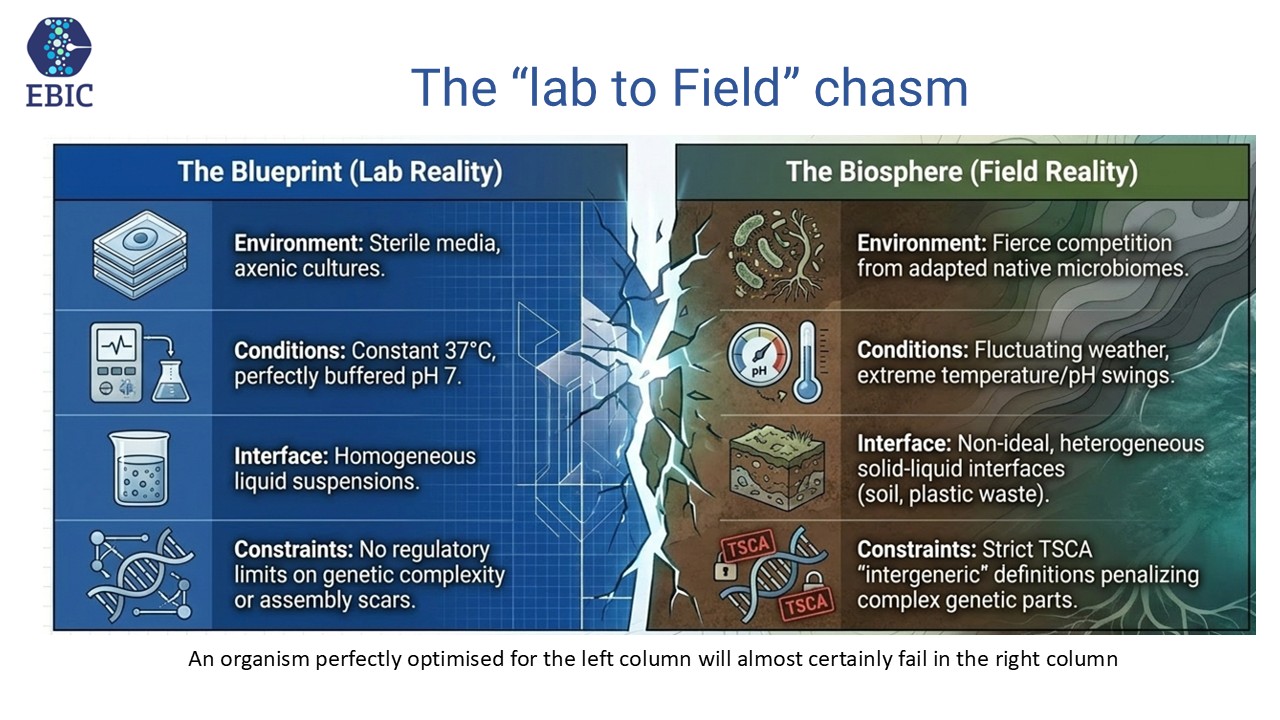
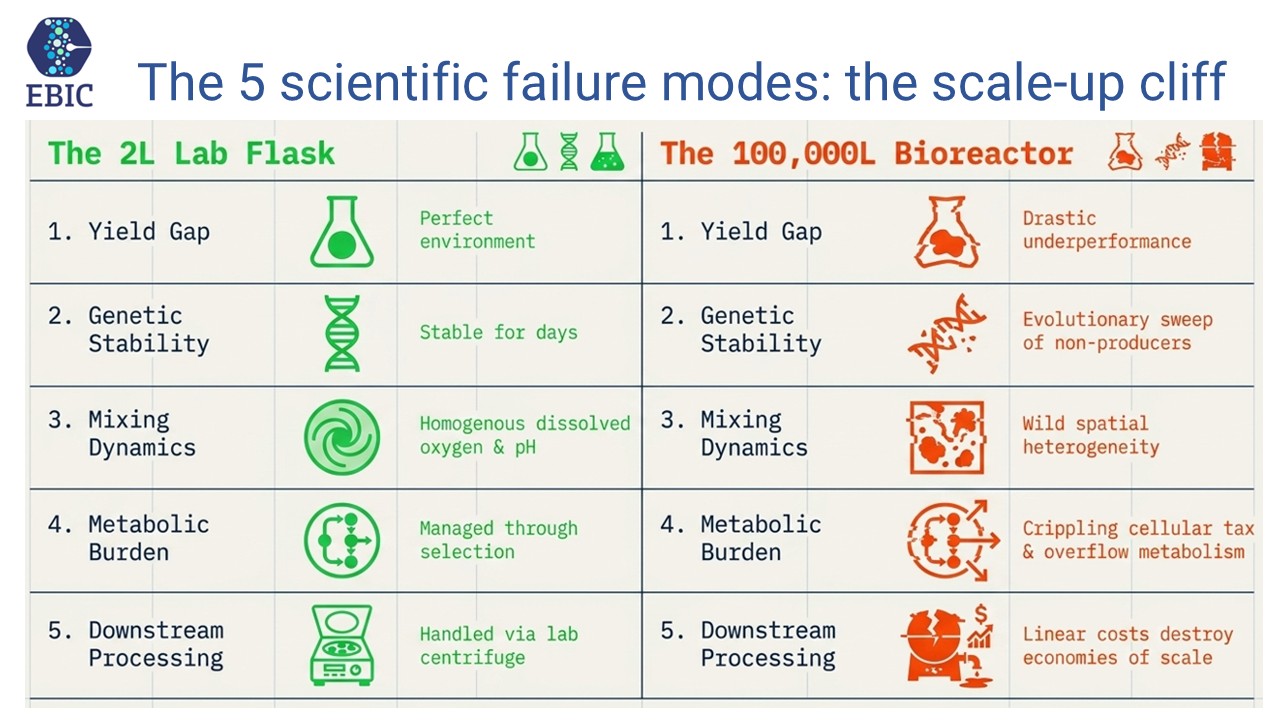
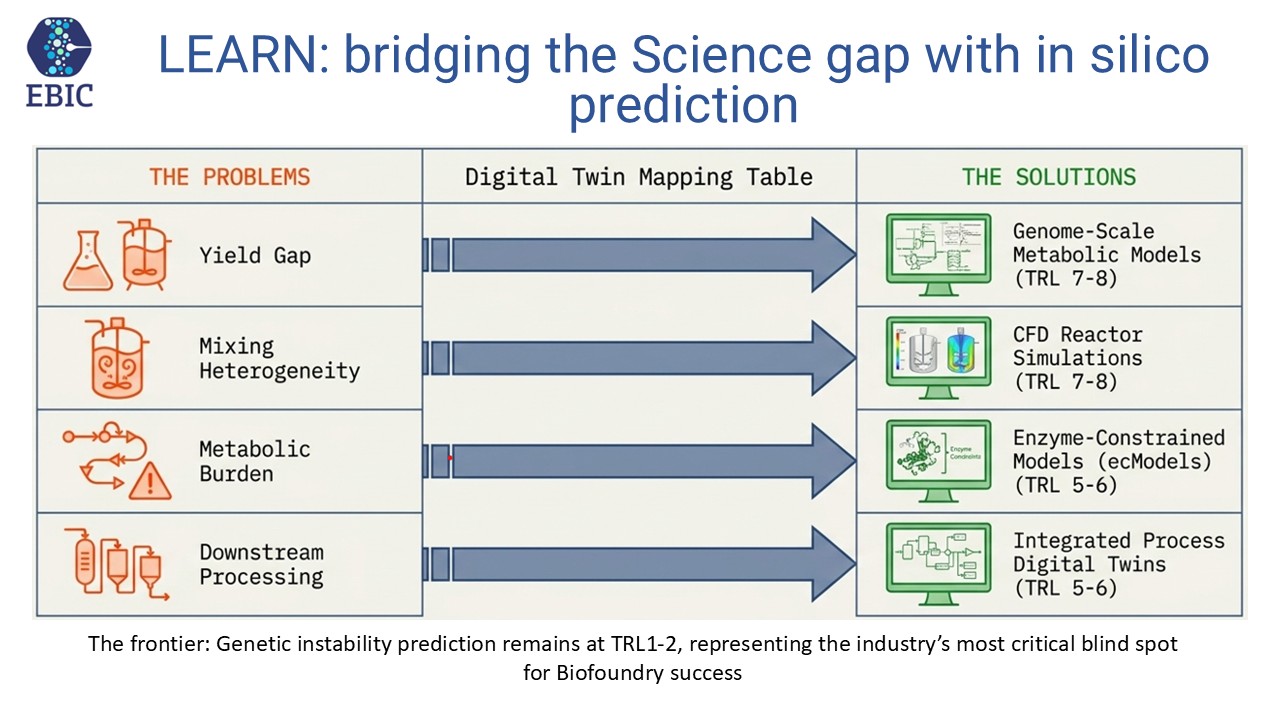
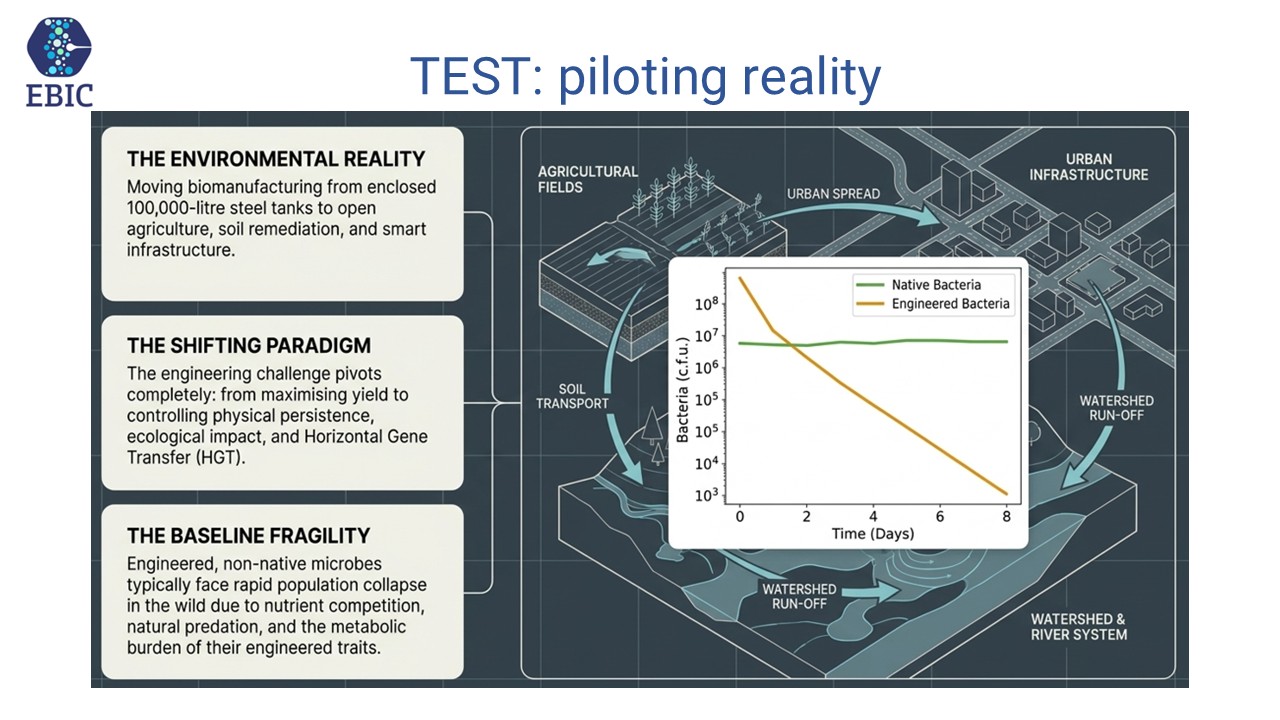
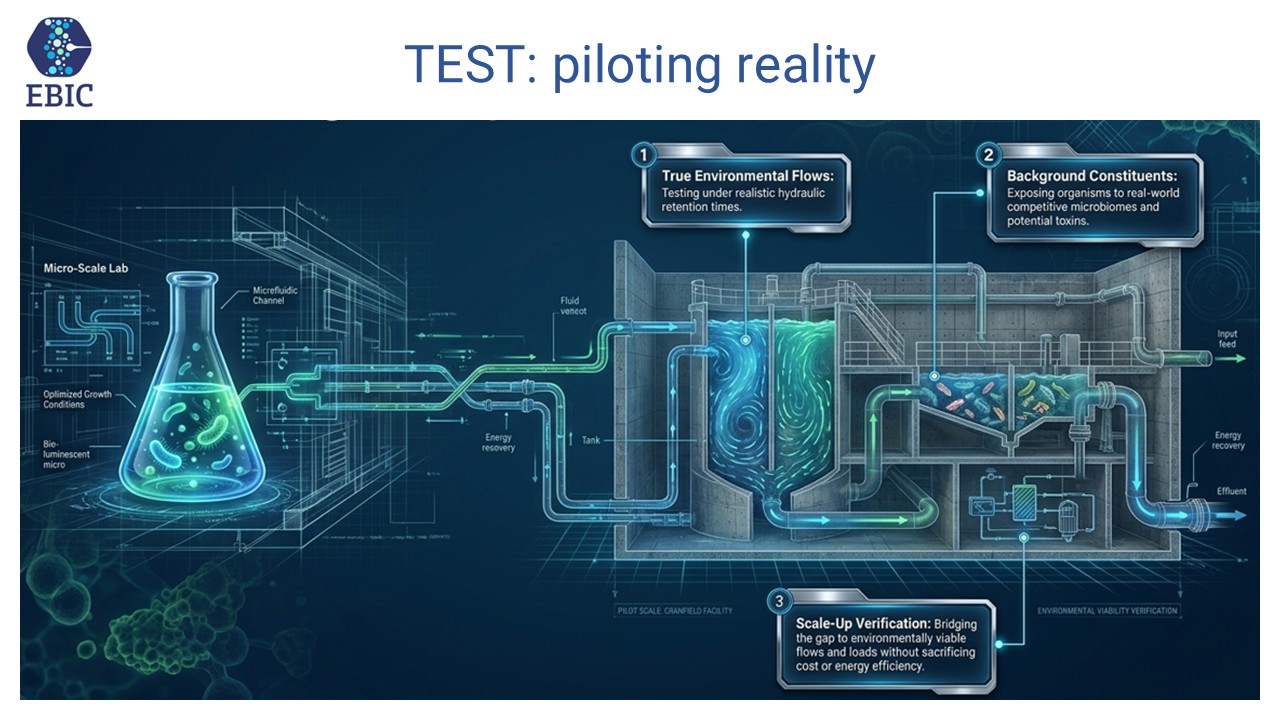
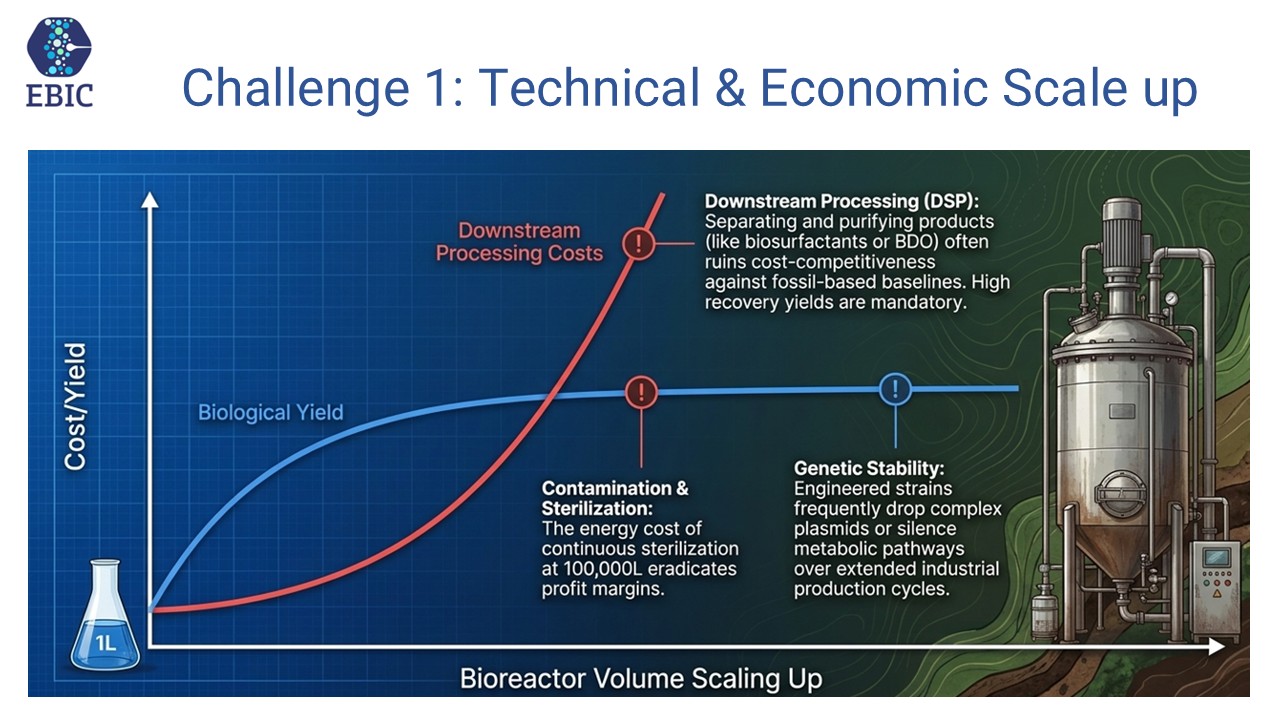
A central theme of the keynote is the persistent scale-up gap. In many cases, contaminant degradation rates observed in the field are 4–10 times slower than those measured under controlled laboratory conditions. This discrepancy arises from a combination of mass-transfer limitations, microbial competition, environmental heterogeneity, and oxygen-transfer constraints, all of which can significantly reduce the effectiveness of engineered biological systems outside the lab.
Author
Professor Frederic Coulon, EBIC Director & Professor of Environmental Chemistry and Microbiology at Cranfield University, on being invited to deliver a plenary keynote at Bioremid 2026
Learn More
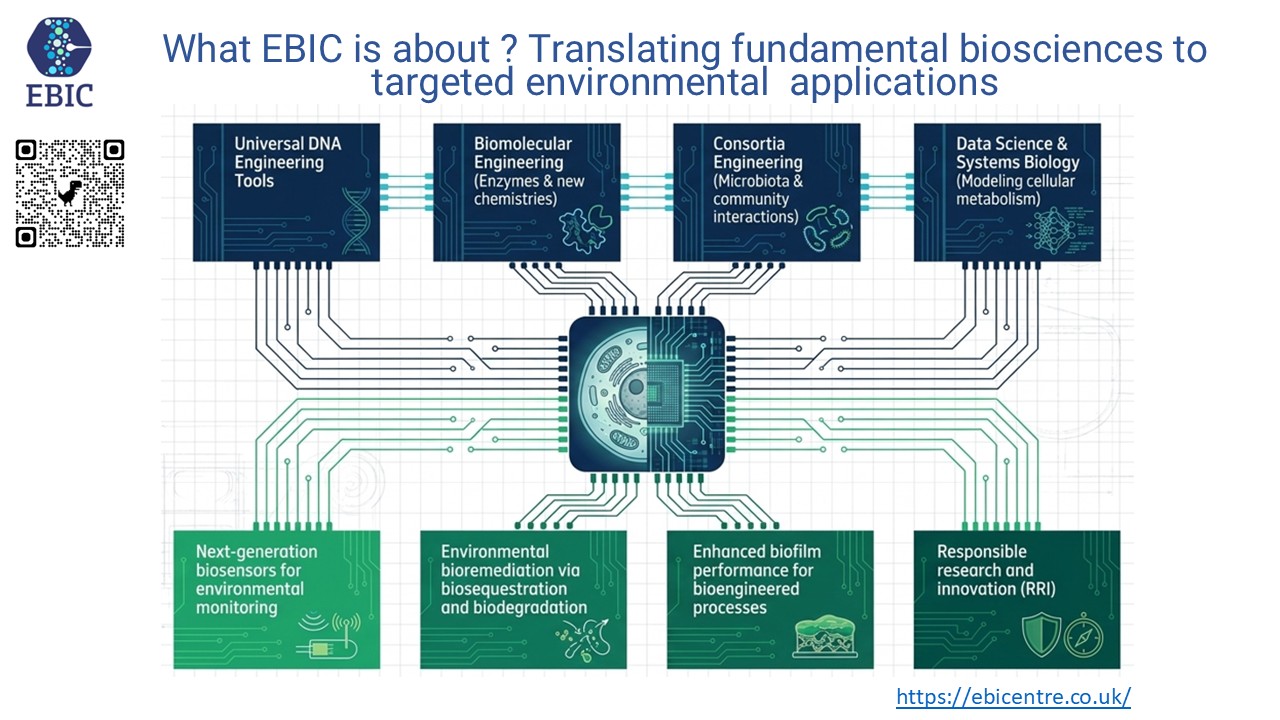
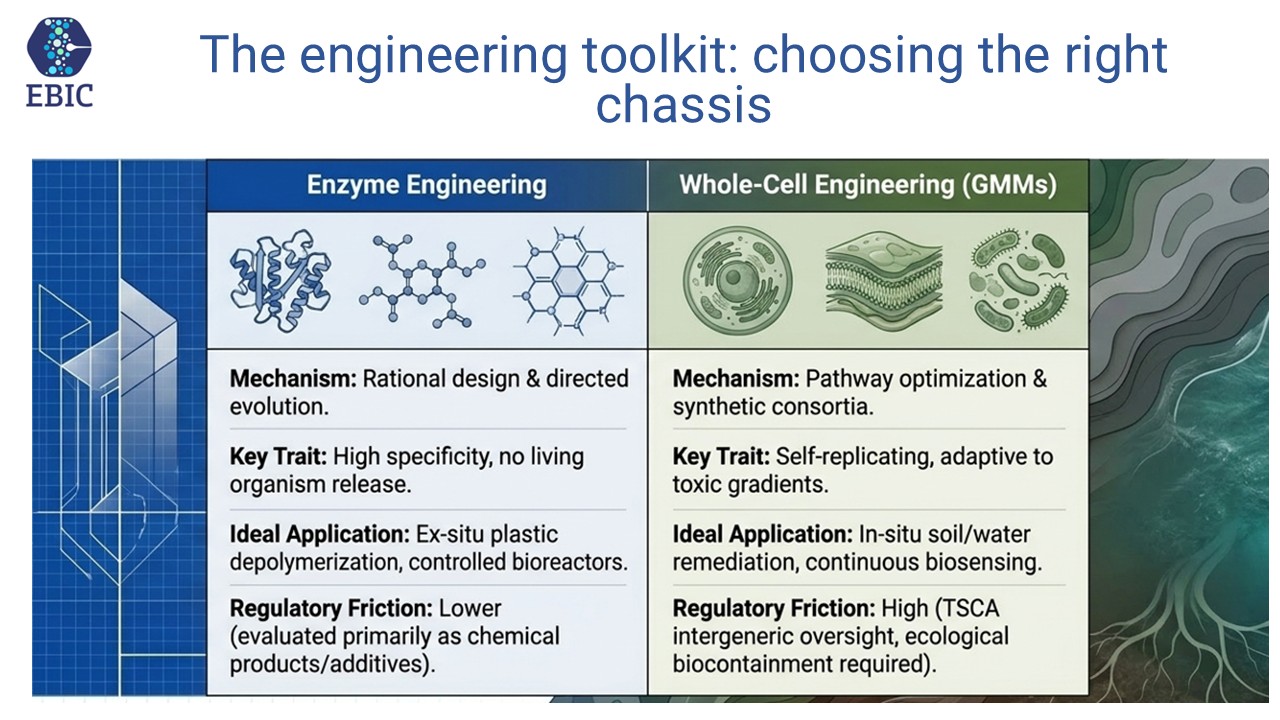
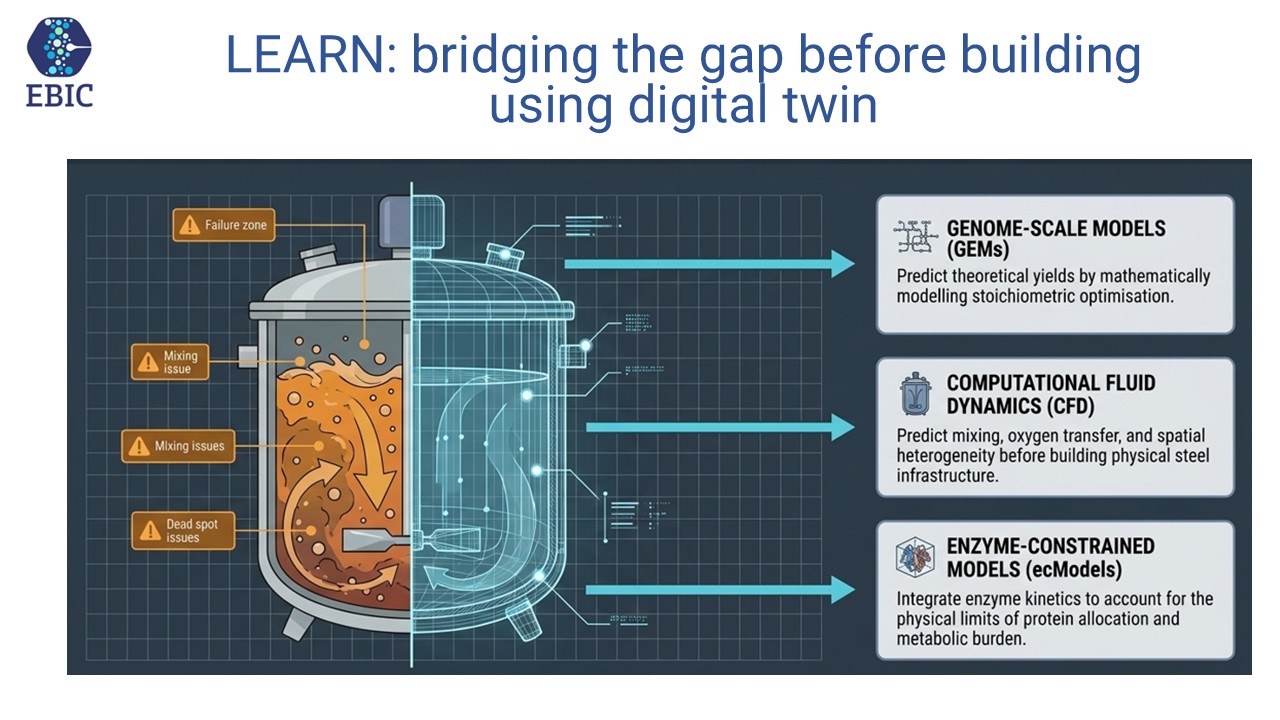
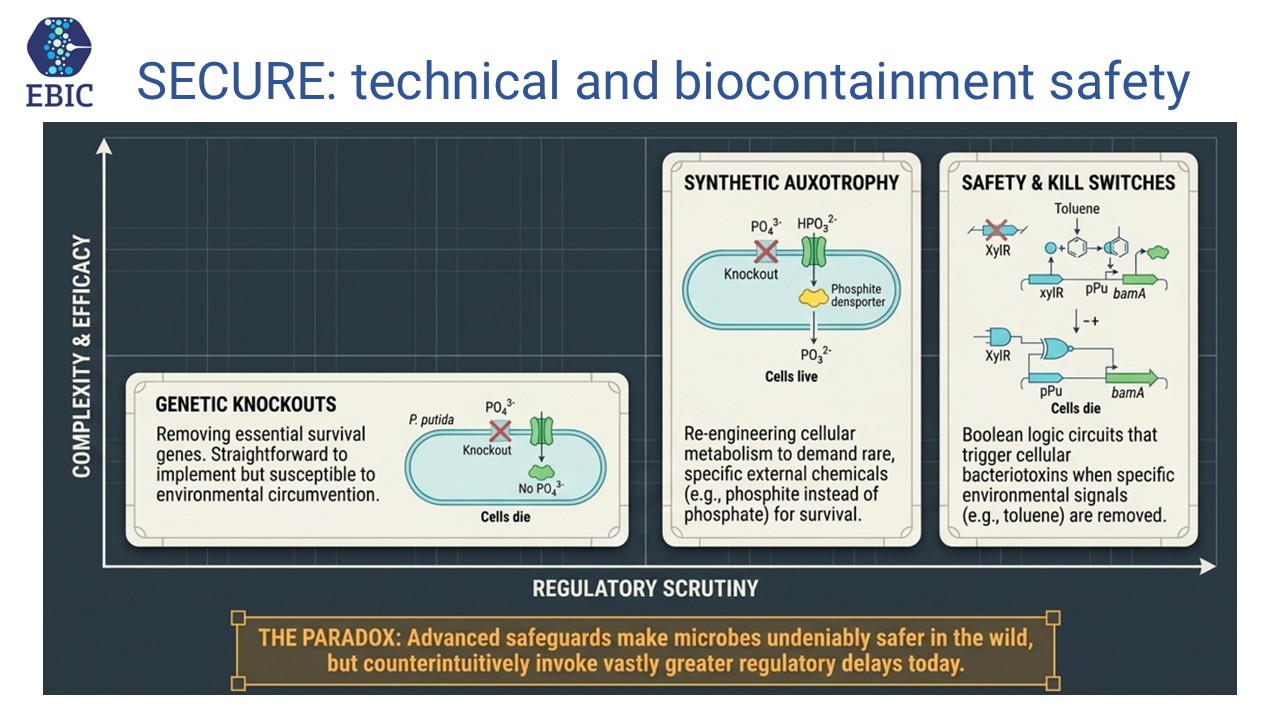
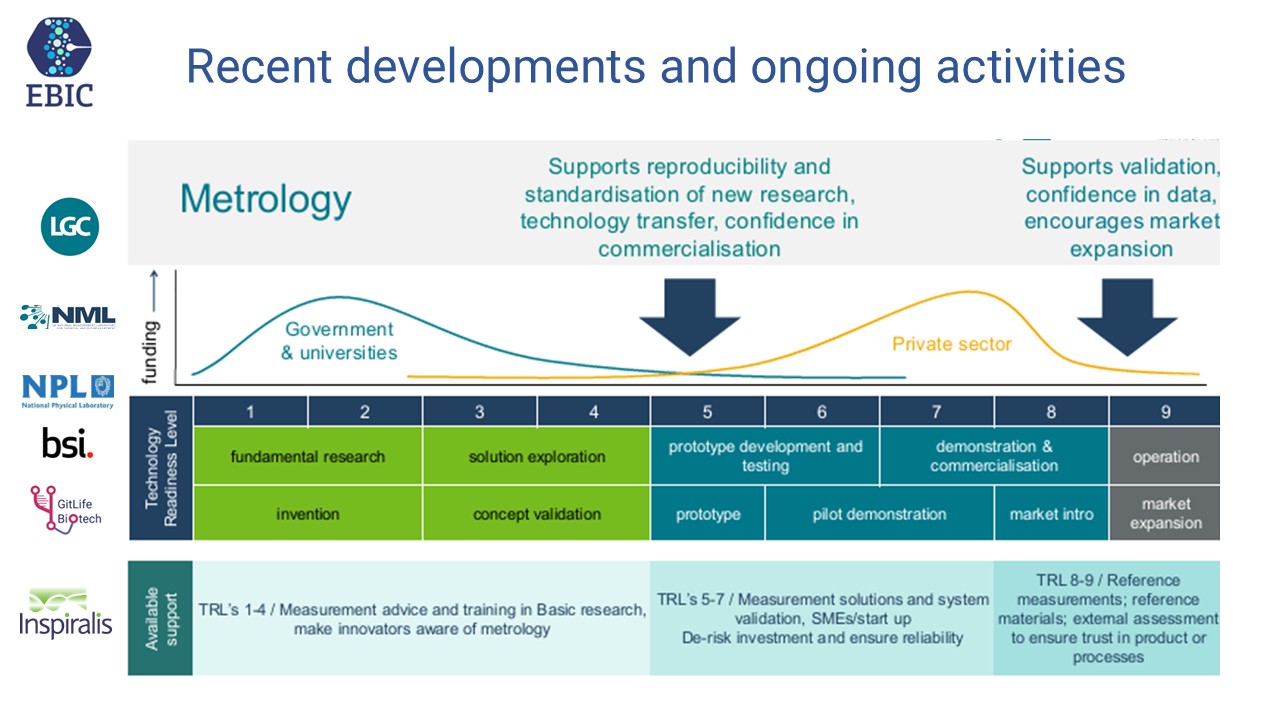
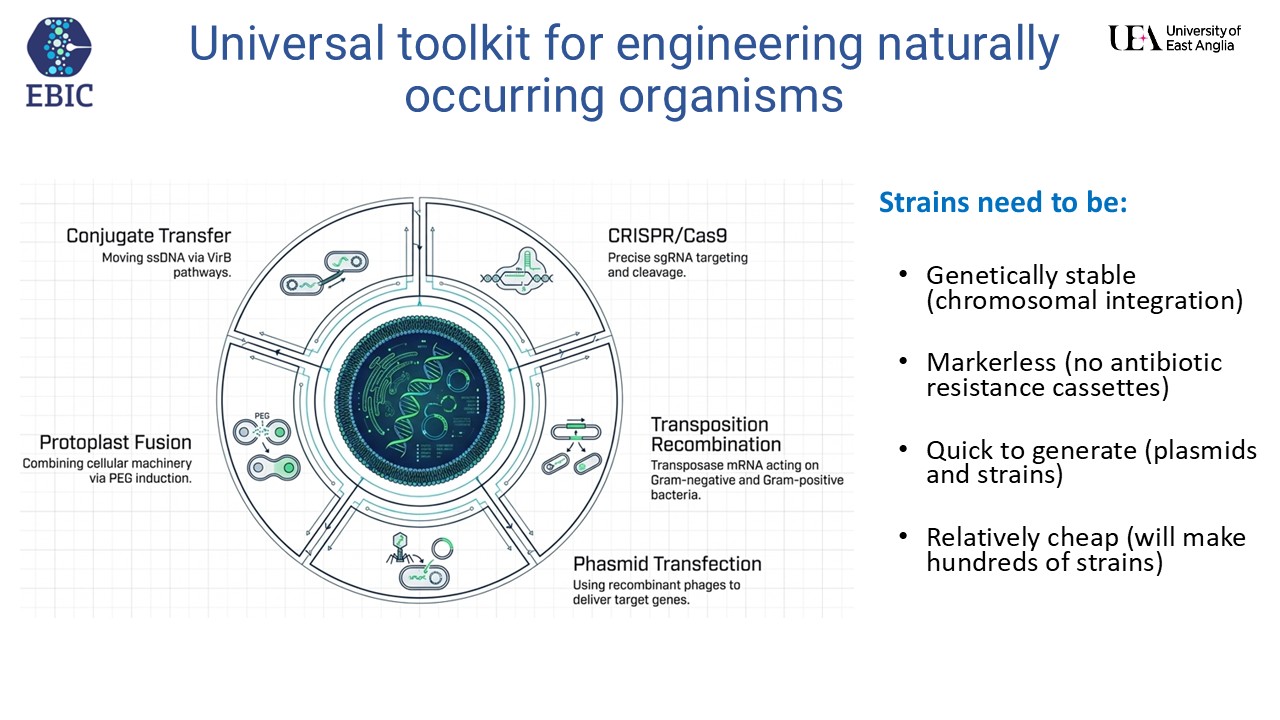
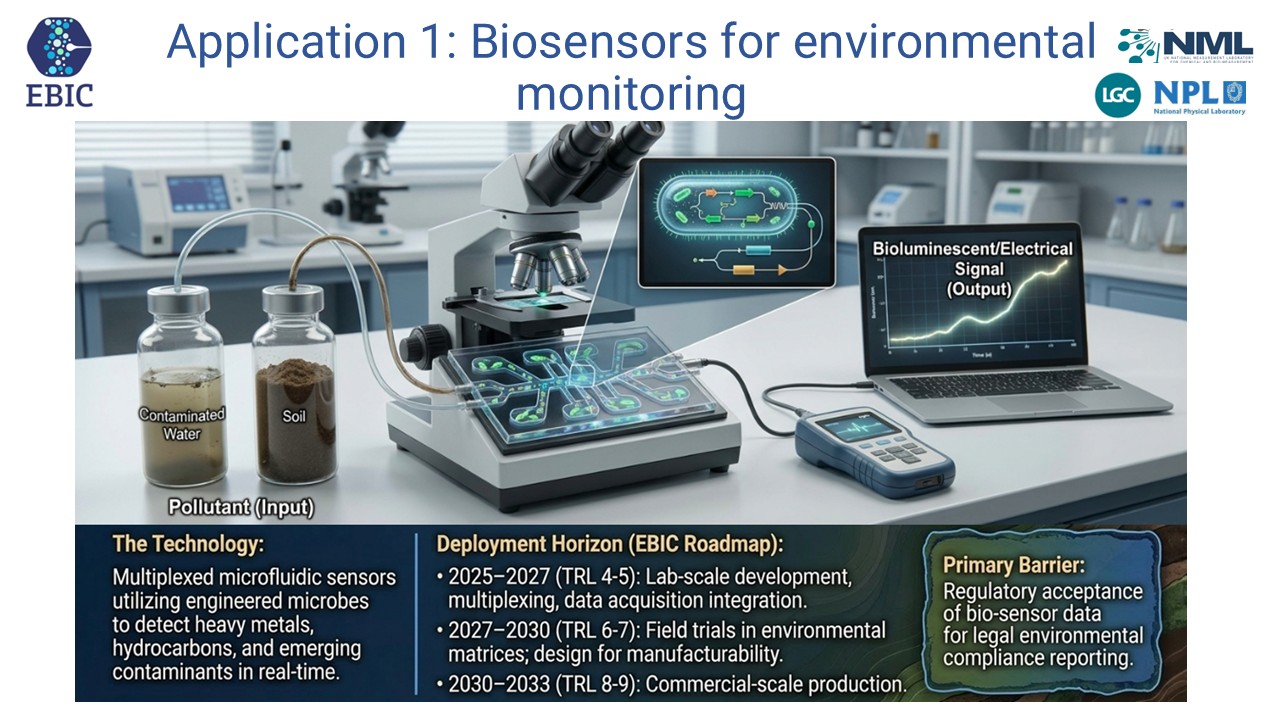
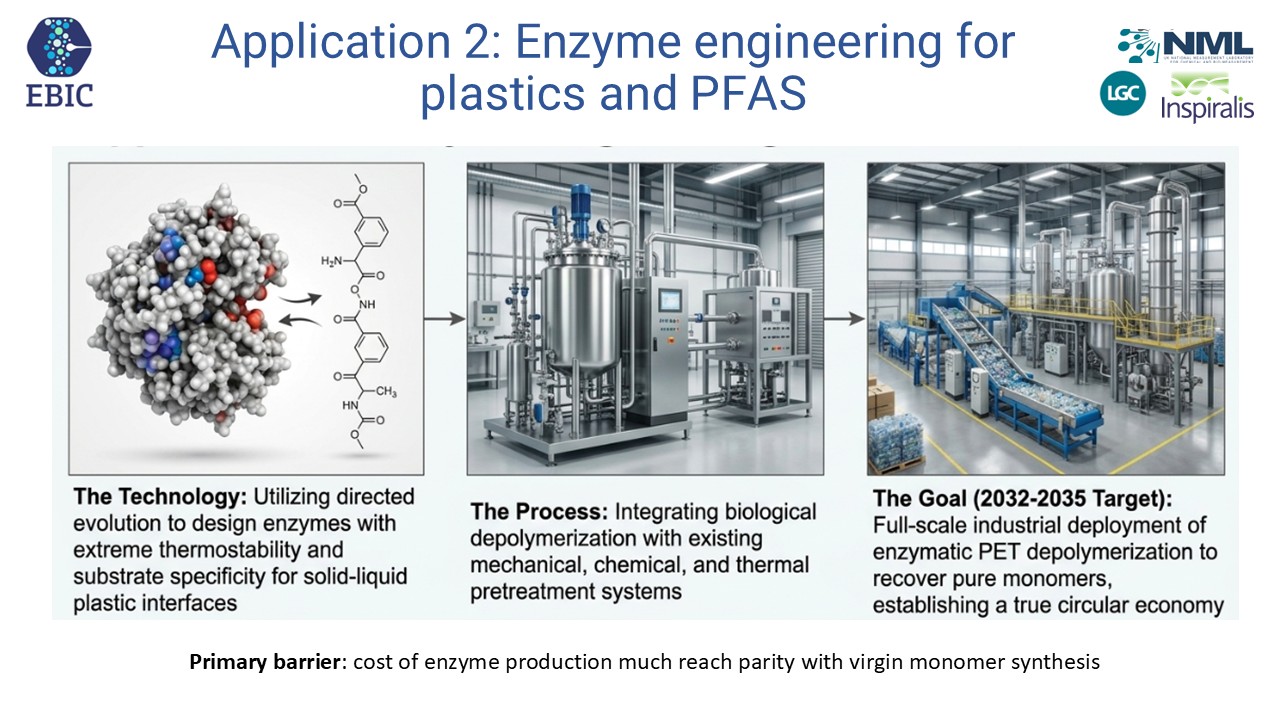
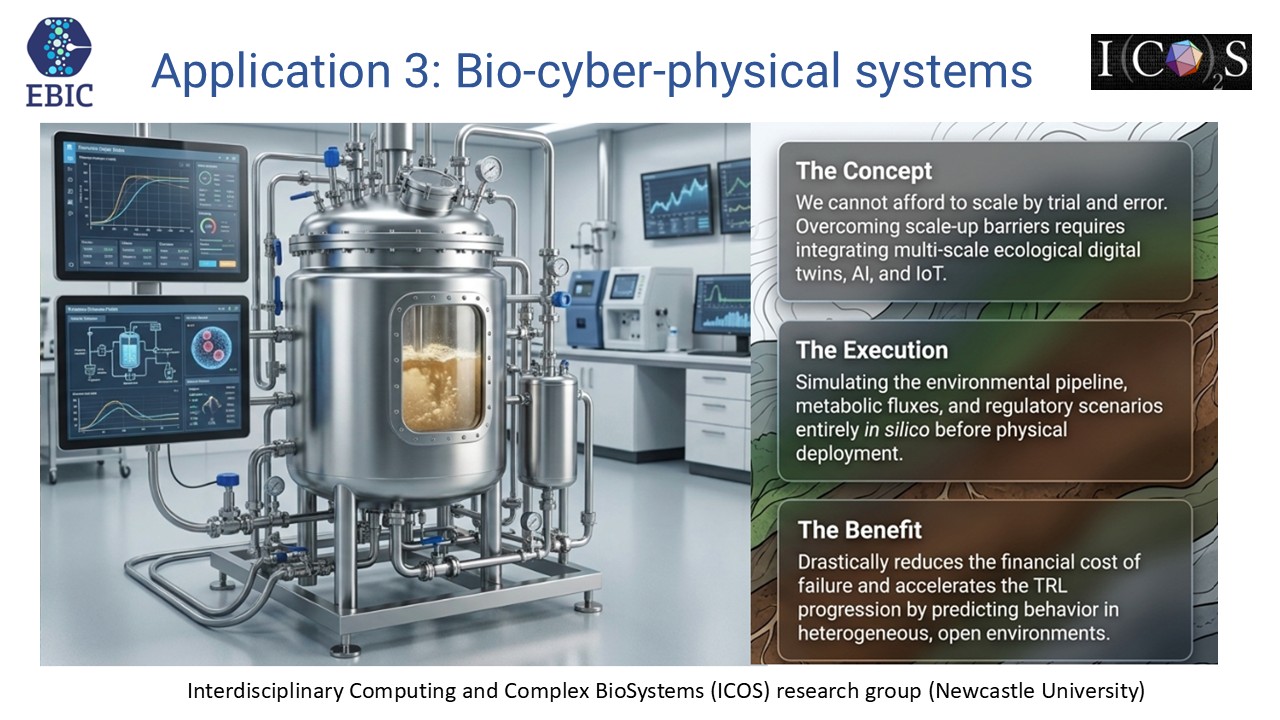
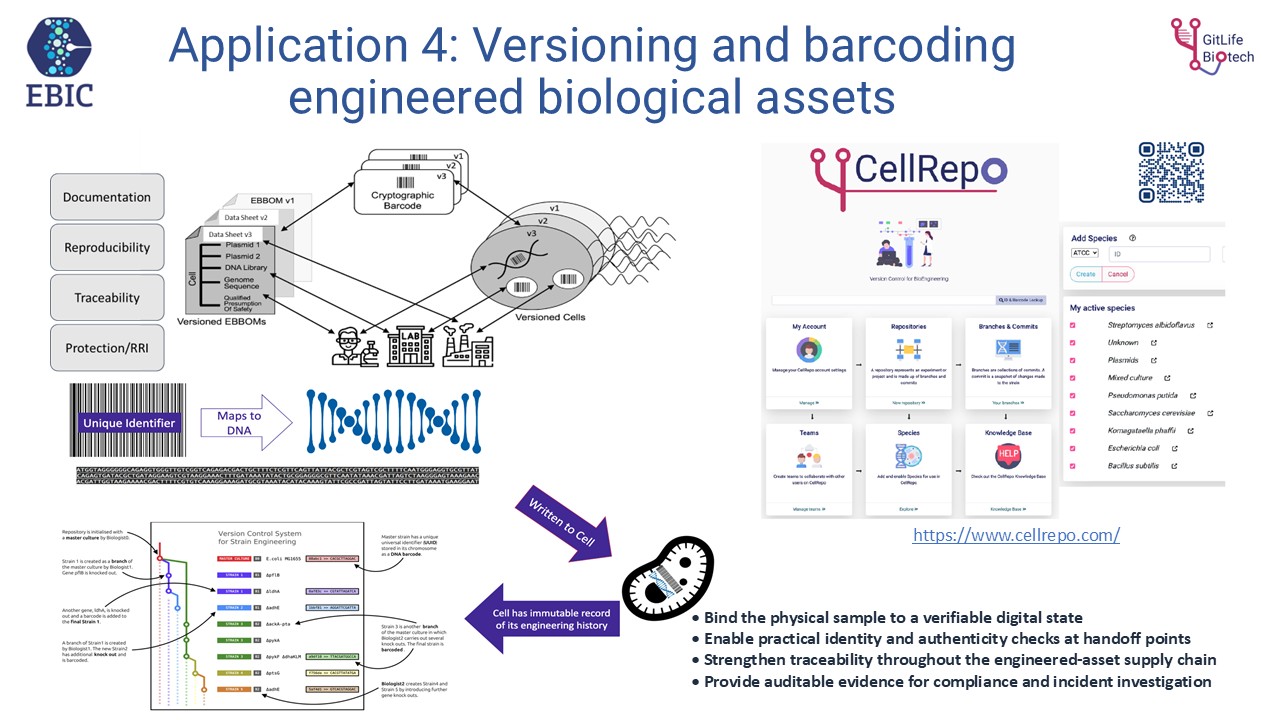
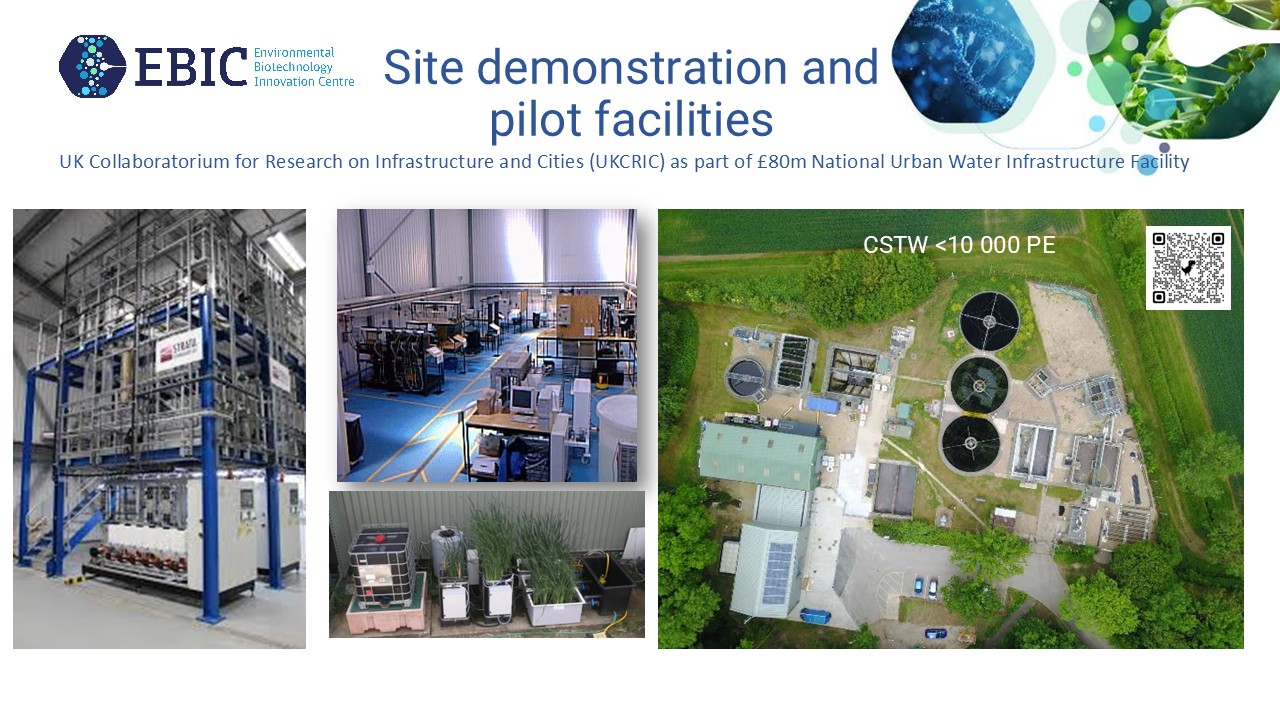
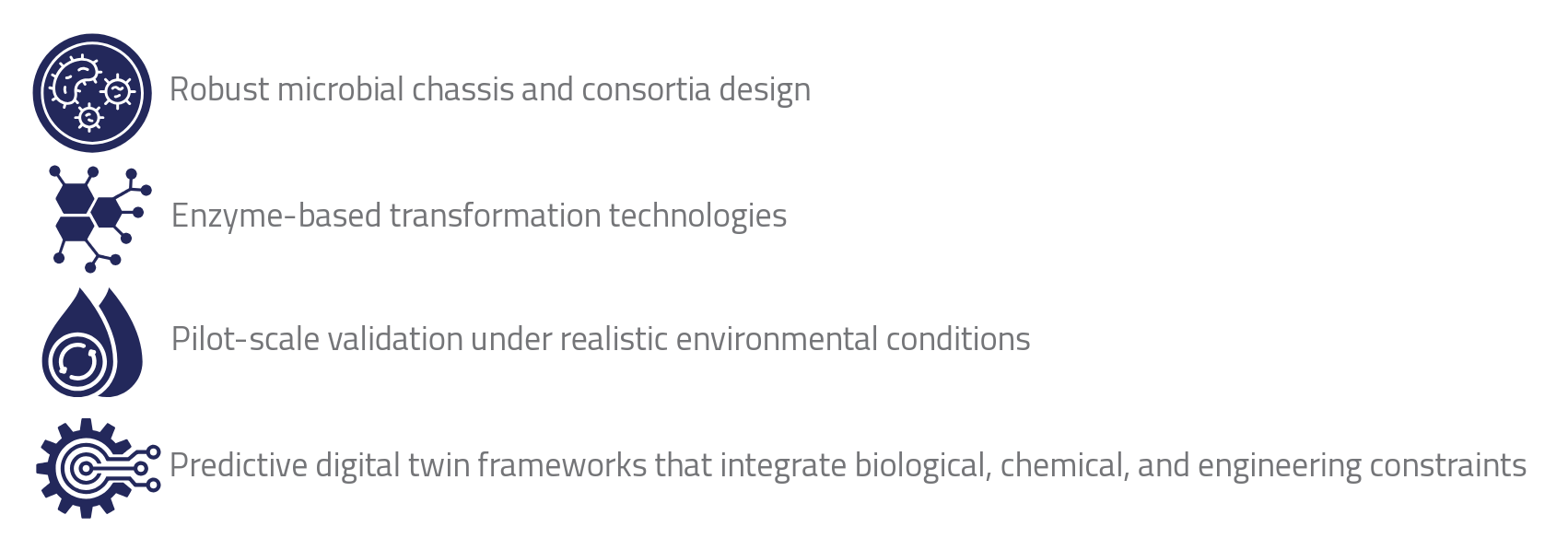
Drawing on work from the Environmental Biotechnology Innovation Centre (EBIC), the talk will explore approaches to bridge this gap, including:
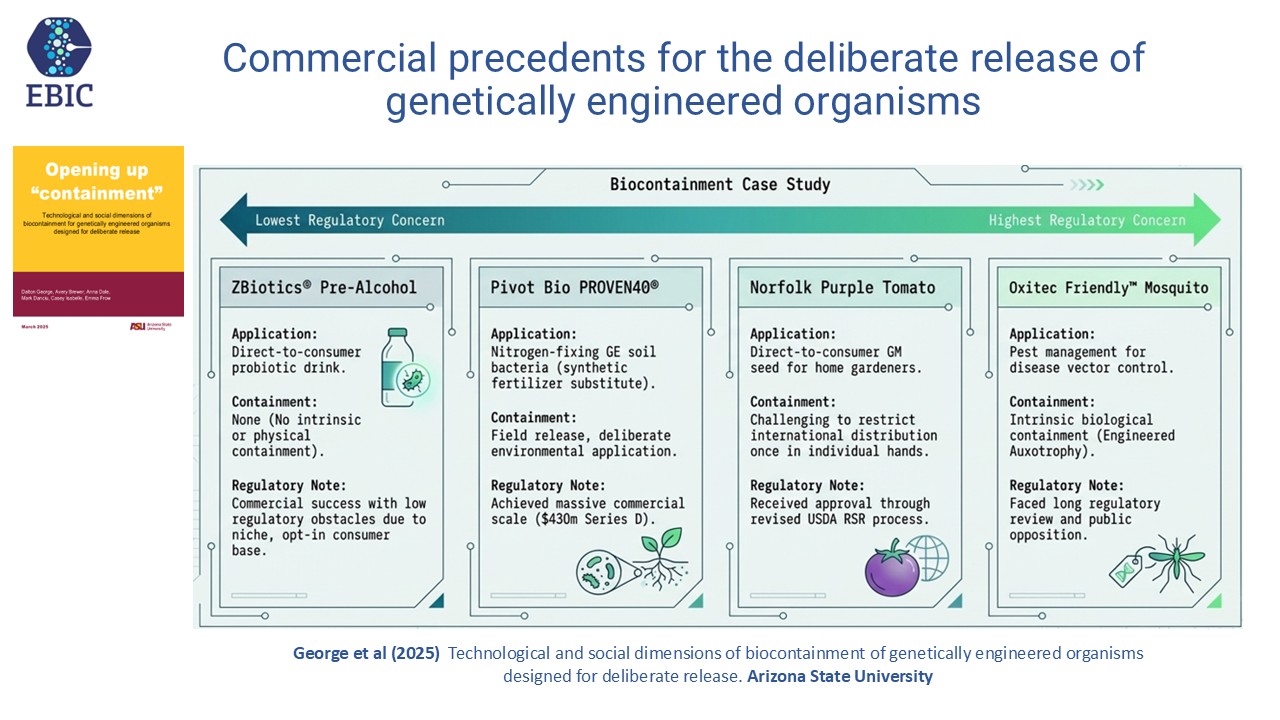
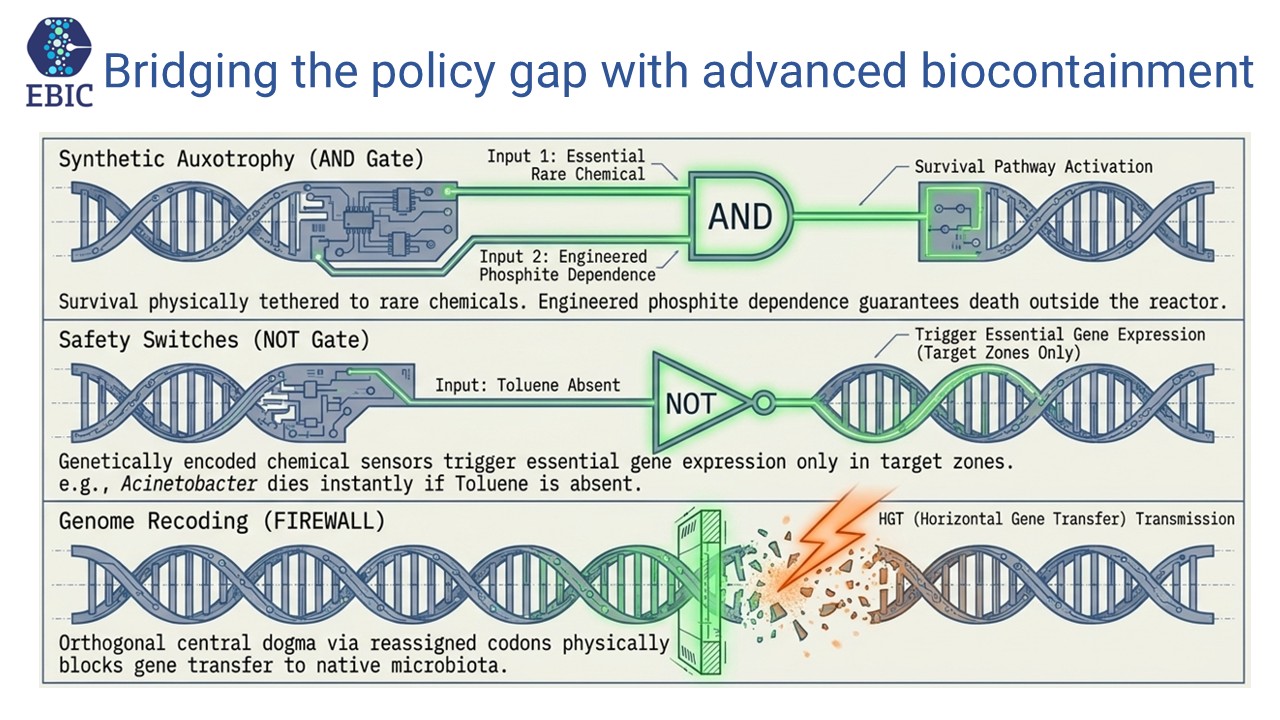
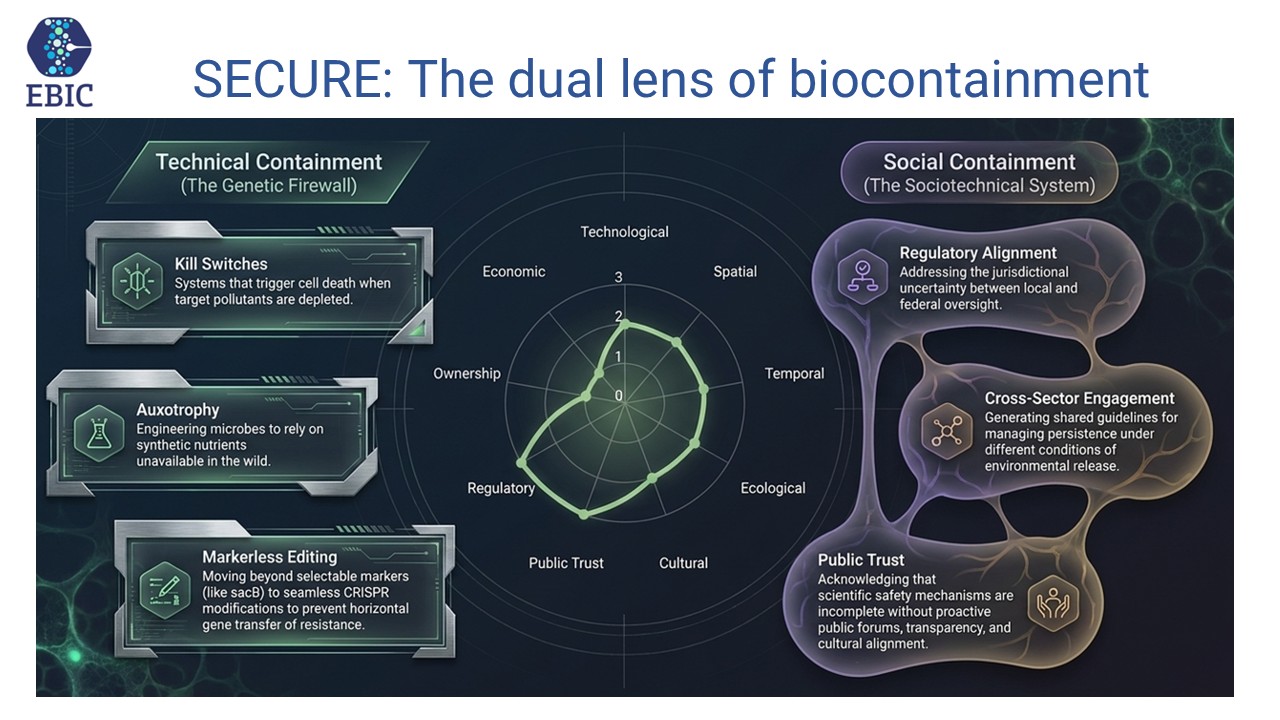
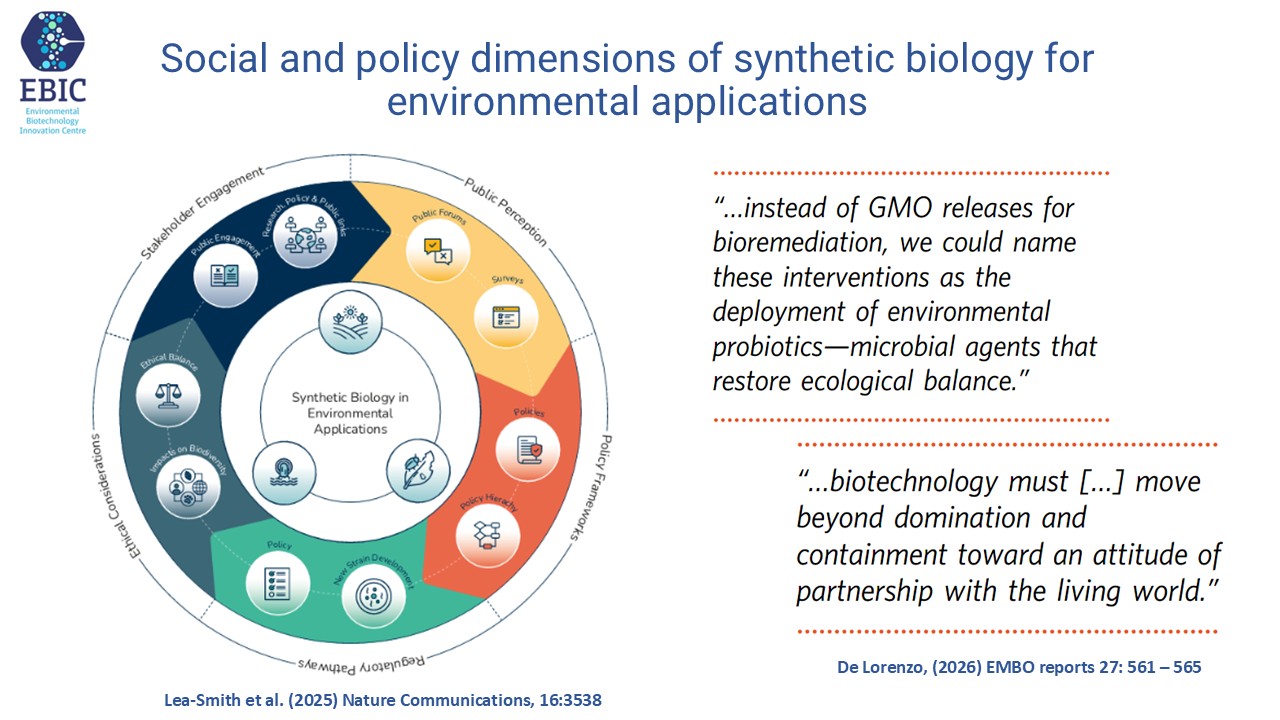
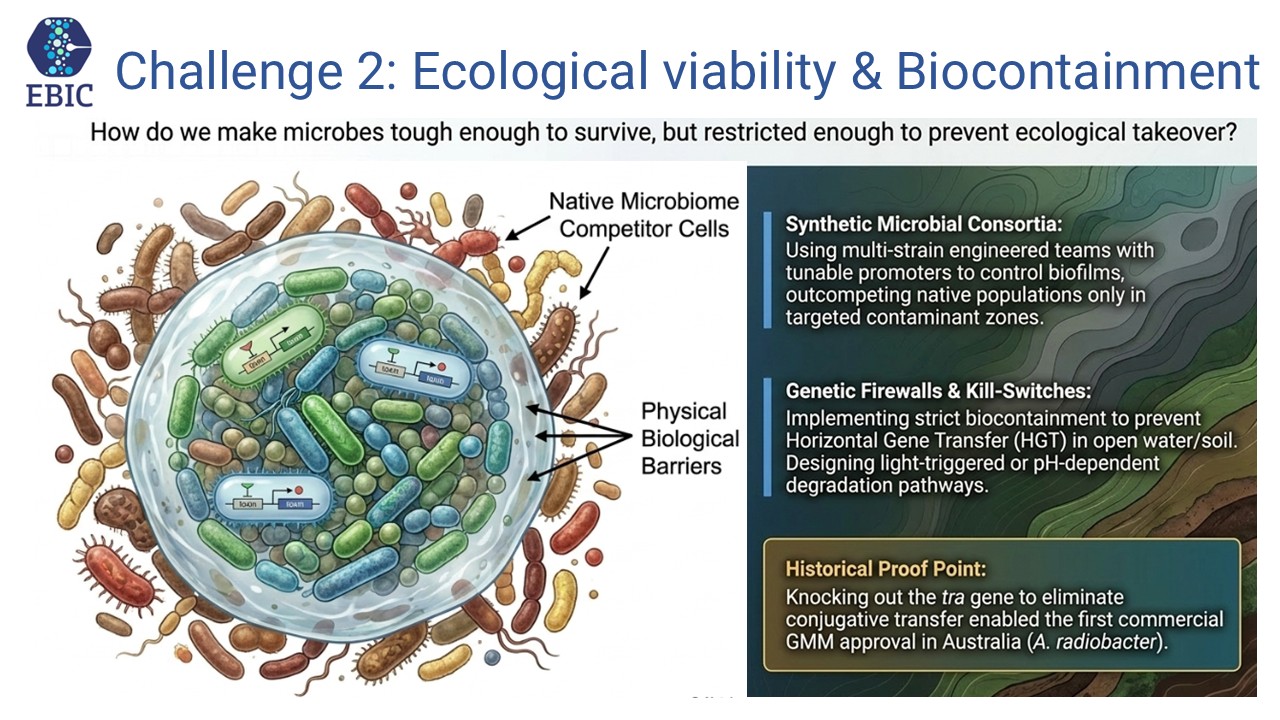
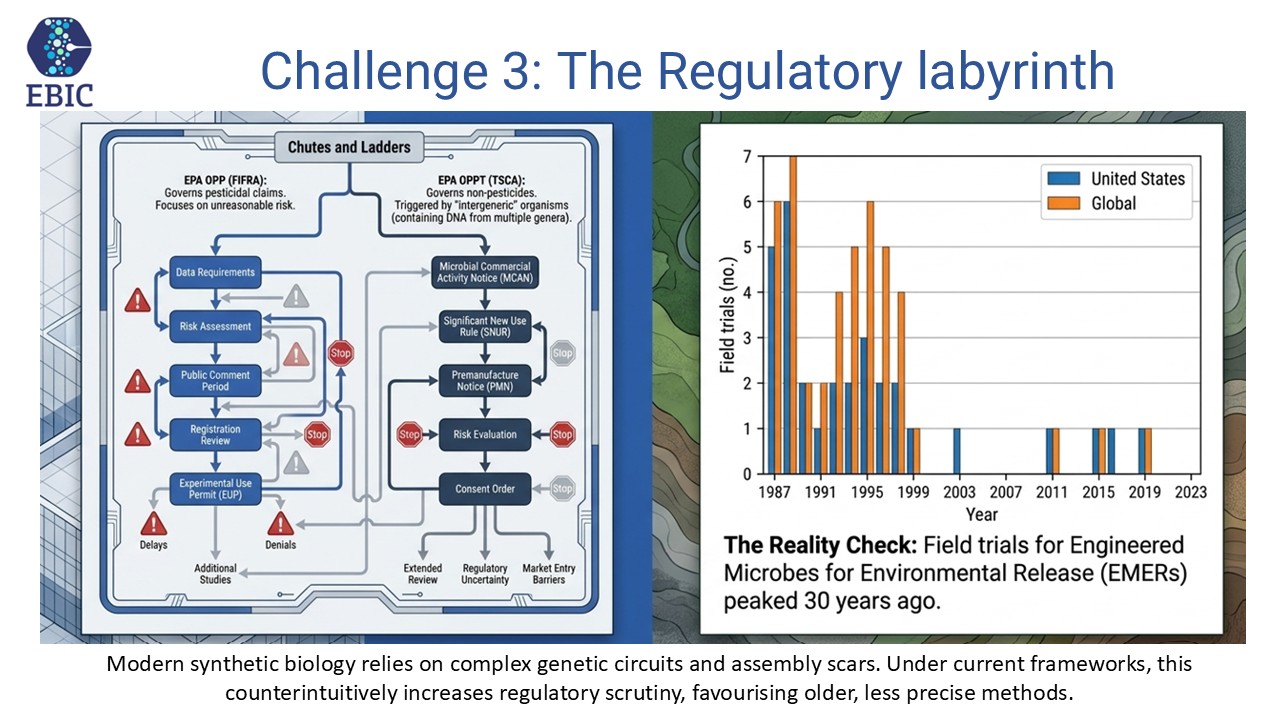
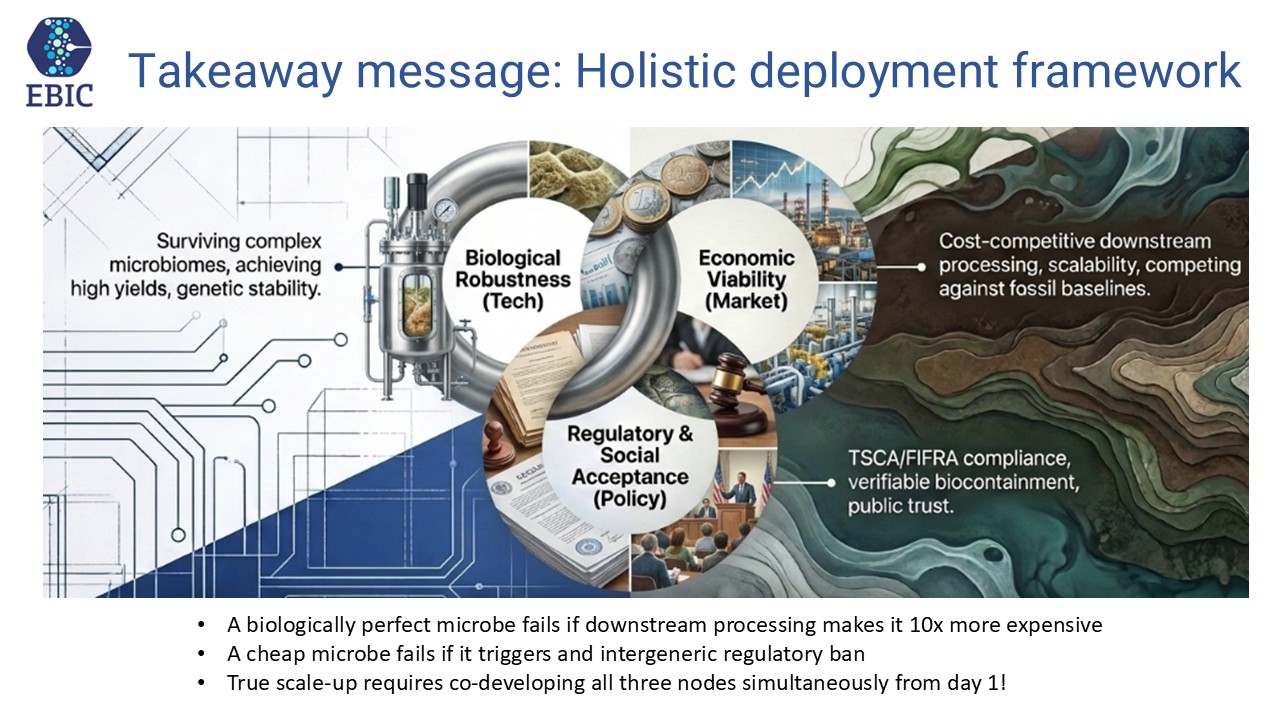
Beyond technical performance, the keynote will also emphasise that scalable deployment requires a broader systems perspective. Secure-by-design principles —including genetic biocontainment, genomic traceability, and cyberbiosecurity — must be integrated from the outset. Equally important are governance and societal dimensions, where transparency, public engagement, and trust-building form part of what can be described as social containment. Together, these elements support a shift toward a new paradigm of environmental stewardship: engineered microorganisms functioning as environmental probiotics designed biological systems that operate in partnership with natural processes to restore ecosystem function, accelerate remediation, and enable a more circular and regenerative bioeconomy.
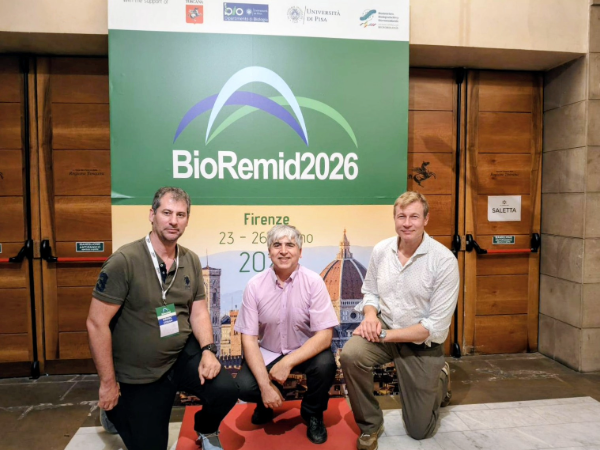
Frederic Coulon with Marco Falconi (IMPEL Chair) and Christian Andersen (Chair of COMMON FORUM)
Click below to view the keynote slides: