
EBIC Guidance on Contained Use Approval in the UK

Purpose of this guidance document
This document provides guidance on the regulatory pathway governing the Contained Use of Genetically Modified Microorganisms (GMMs) in the UK. GMMs are a specific category of genetically modified organisms (GMOs) and therefore fall within the broader UK regulatory framework governing GMOs. However, the Contained Use Regulations specifically establish requirements for the contained use of genetically modified microorganisms. Background information on the regulatory framework, risk assessment methodology and a step-by-step regulatory approval pathway is outlined. The guide is intended for use by those developing Engineering Biology solutions targeted at solving environmental pollution or monitoring challenges but may be found helpful by those working in other sectors.
Definition of Contained Use
Genetically modified organisms (GMOs) are defined as organisms whose genes have been artificially altered to modify their characteristics in some way or another. Under the Genetically Modified Organisms (Contained Use) Regulations 2014, genetic modification means the alteration of the genetic material of an organism in a way that does not occur naturally by mating or natural recombination, subject to the techniques included and excluded under Schedule 2 of the Regulations. According to the Genetically Modified Organisms (Contained Use) Regulations 2014 administered by the Health and Safety Executive (HSE), contained use covers any activities involving the construction, culturing, storage, transportation, or otherwise use of GMOs where control measures, such as physical, chemical or biological barriers are used to limit contact between GMOs and humans or the environment to provide a high level of safety. The Genetically Modified Organisms (Contained Use) Regulations 2014 implements EU Directive 2009/41/EC, which defines contained use as any activity in which micro-organisms are genetically modified or in which such genetically modified micro-organisms (GMMs) are cultured, stored, transported, destroyed, disposed of or used in any other way, and for which specific containment measures are used to limit their contact with, and to provide a high level of safety for the general population and the environment. Examples of contained use applications are shown in Figure 1.
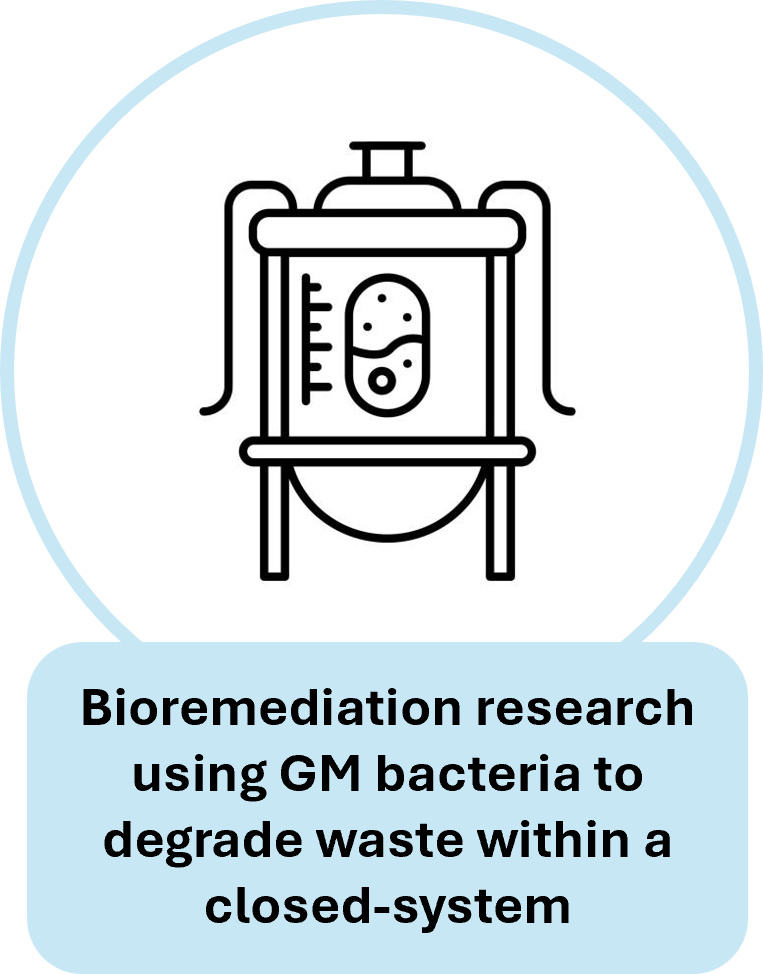
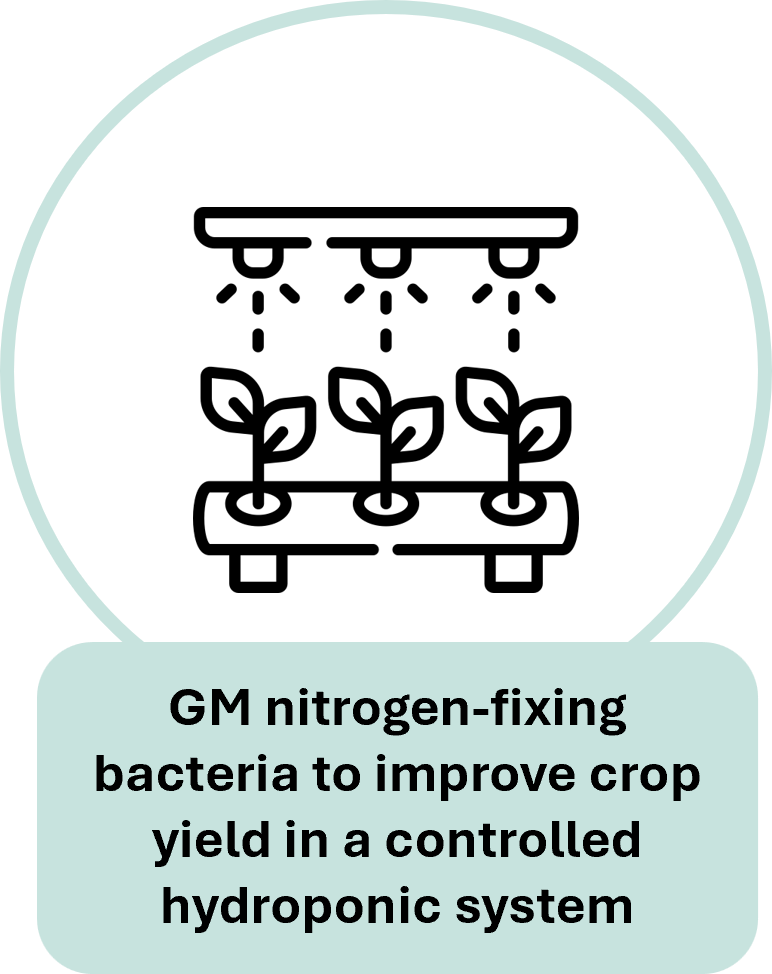
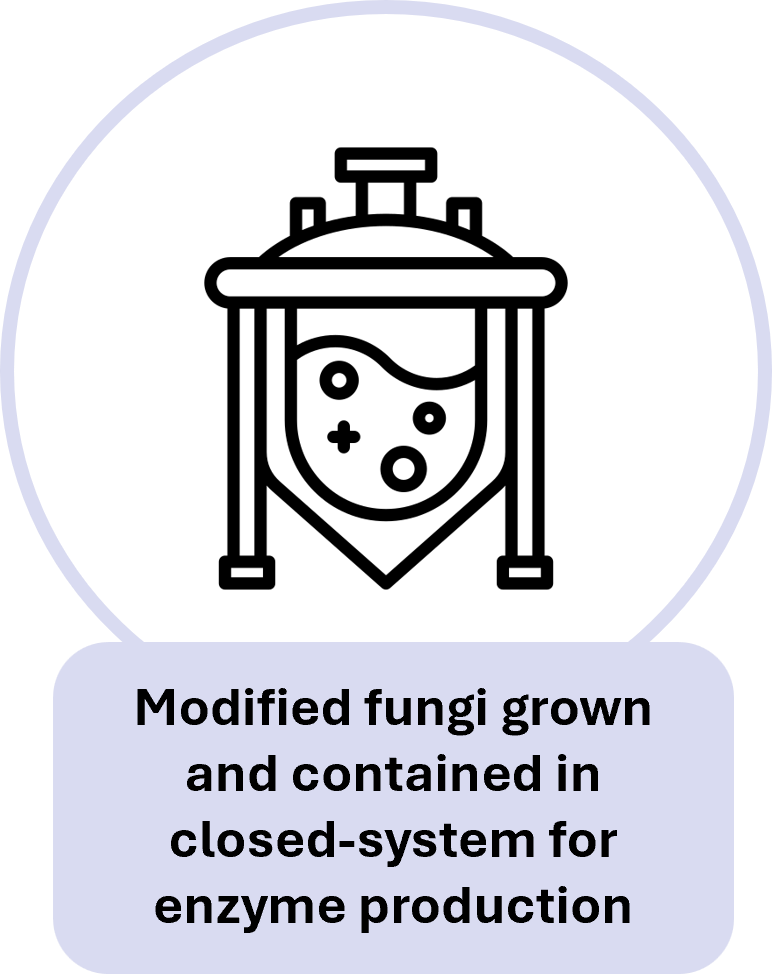
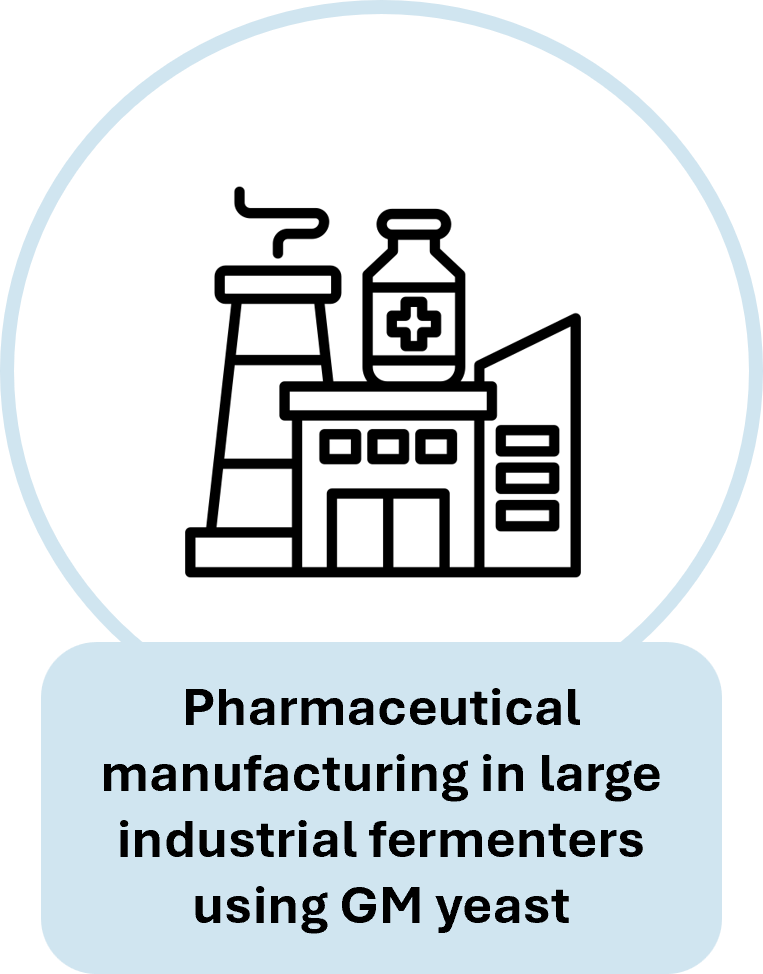
Figure 1. Examples of GMM activities in a Contained Use condition
The regulatory classification of activities involving a GMM depends on the nature of the activity and the controls applied, rather than solely on the purpose for which the GMM is supplied or applied. Where a GMM is constructed, stored or used under physical, chemical or biological containment, the activity may fall within the GMO (Contained Use) Regulations 2014. Where a GMM is intentionally released from containment into the environment, the activity may instead fall within the deliberate release regime. The supply or commercial sale of a GMM constructed under Contained Use may raise additional regulatory considerations that should be assessed separately. The Contained Use regulations do not cover GMOs as, or in, products which are placed on the market – i.e. making a GMO available to third parties, whether in return for payment or free of charge. These applications are covered by the regulations on Deliberate Release of GMOs.
Table of Contents
- Purpose of this guidance document
- Definition of Contained Use
- UK Regulatory Framework
- Scientific Advisory Committee on Genetic Modification (SACGM)
- Classification and Notification
- Scientific Advisory Committee on Genetic Modification (SACGM)
- Approval Pathway: Step-by Step Guidance
- Risk Assessment Methodology
UK Regulatory Framework
The primary legislation governing contained use of GMOs in Great Britain (England, Scotland, and Wales) is the Genetically Modified Organisms (Contained Use) Regulations 2014 (SI 2014/1663). In Northern Ireland, the Genetically Modified Organisms (Contained Use) (Northern Ireland) 2015 regulations apply.
- In England and Wales, the HSE and the Secretary of State for the Department for Environment, Food and Rural Affairs (DEFRA) acting jointly form the competent authority. Officials from the Welsh Government are included in matters relating to Wales, providing policy and risk oversight for Wales, while the HSE handles the administrative processing, statutory notifications, and facility inspections.
- In Scotland, the competent authority comprises Scottish Ministers and the HSE acting jointly. The Scottish Government are responsible for providing advice about the environmental risk of contained use GMO work carried out in Scotland, supported by the GM Team at Science and Advice for Scottish Agriculture (SASA). Under a formal Memorandum of Understanding (MoU), the HSE processes, administers, and manages the notification scheme on behalf of Scottish Ministers.
- In Northern Ireland, the competent authority is the Health and Safety Executive for Northern Ireland (HSENI) and the Department of the Environment (Northern Ireland) acting jointly.
Scientific Advisory Committee on Genetic Modification (SACGM)
The Scientific Advisory Committee on Genetic Modification (SACGM) is a non-statutory scientific advisory committee that provides scientific advice to all the UK competent authorities on the contained use of GMOs, particularly on technical and scientific advice in respect of human and environmental risks. Their role is:
- To advise on the technical issues on individual activities notified under the Genetically Modified Organisms (Contained Use) Regulations 2014
- To provide advice on risk assessments for contained use activities involving GMOS
- To help develop and update guidance on all aspects of contained use of GMOs including the SACGM Compendium of Guidance
The SACGM provides a Compendium of Guidance which has been prepared in consultation with HSE and following the guidance is considered to be good practice by the members of the Committee.
Classification and Notification
Classification
Under the Genetically Modified Organisms (Contained Use) Regulations 2014, genetically modified microorganisms (GMMs) are regulated as a category of genetically modified organisms (GMOs). For contained use, the proposed activity involving the GMO is subject to a risk assessment, which determines its classification as Class 1–4 and the corresponding containment level required to protect human health and the environment. The classification levels are outlined in Table 1.
Table 1: Classification levels for activities involving GMOs under contained use conditions
| Class | Level of Risk | Appropriate containment level required to protect human health and the environment |
|---|---|---|
| Class 1 | No/negligible risk | Containment Level 1 |
| Class 2 | Low risk | Containment Level 2 |
| Class 3 | Moderate risk | Containment Level 3 |
| Class 4 | High risk | Containment Level 4 |
Premises notification
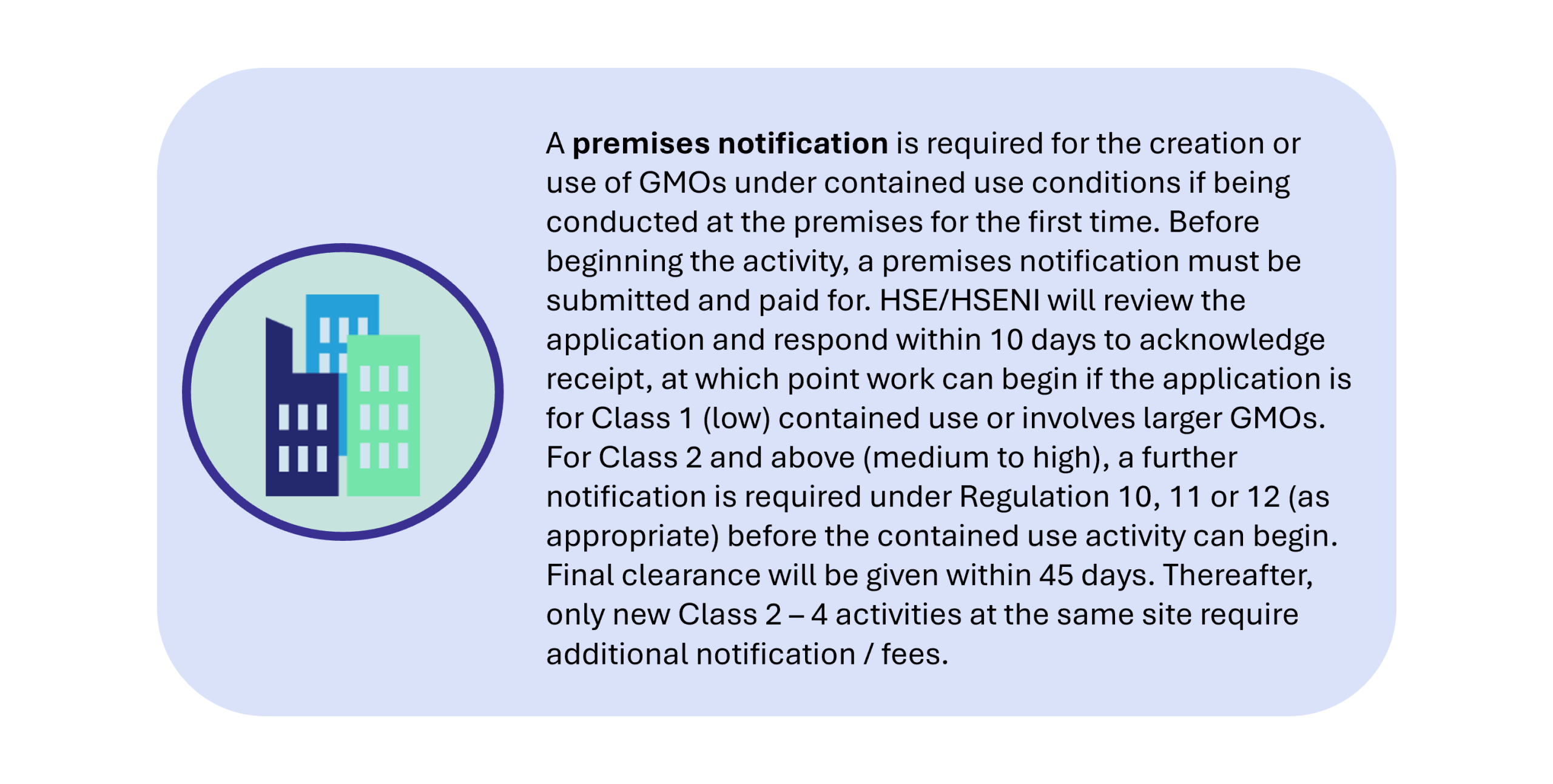
Contained Use notification
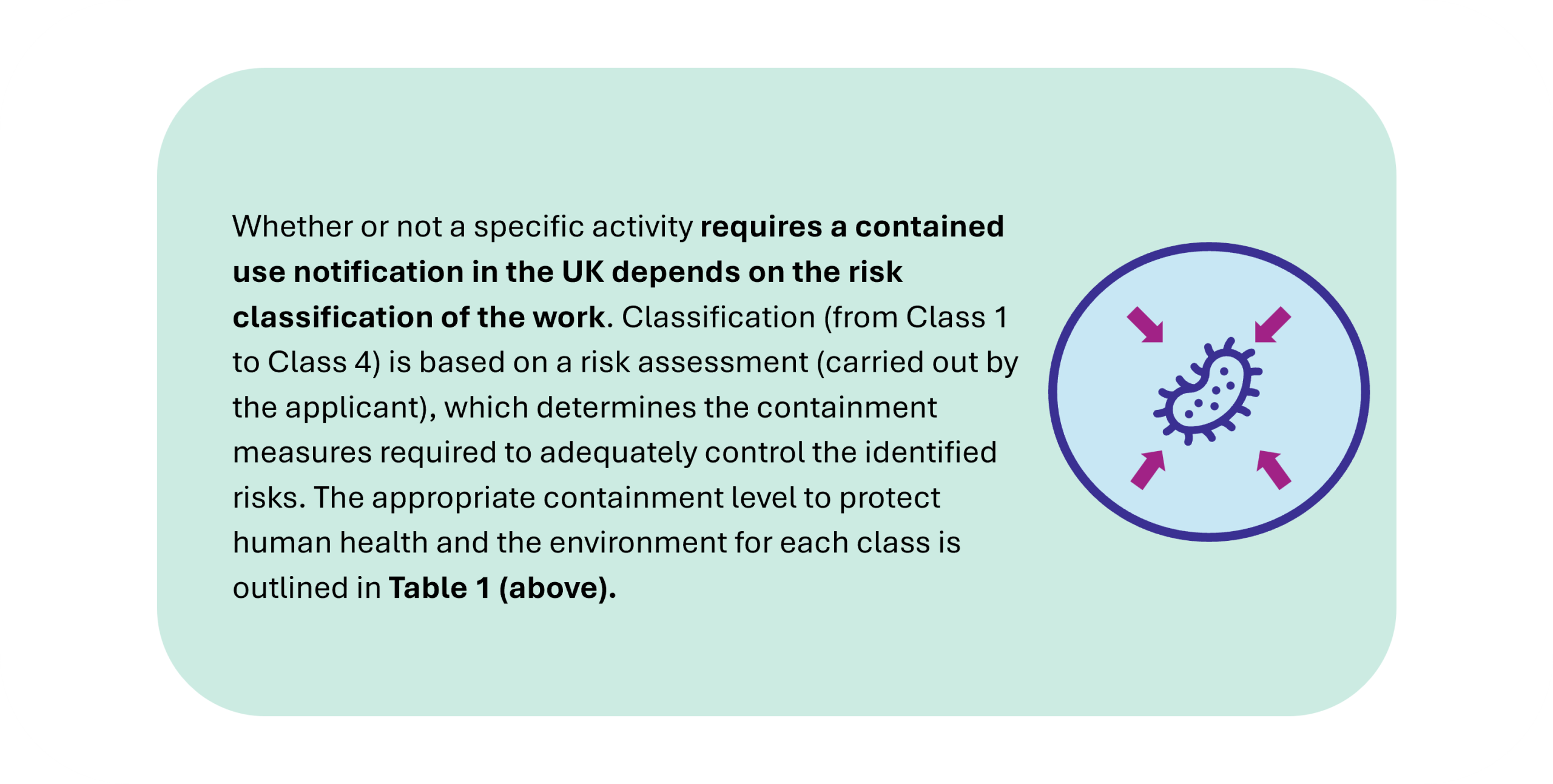
Contained Use work that falls under Class 1 does not require notification beyond the premises notification, but any work considered to fall within Classes 2 – 4 must be notified (See Notifying premises to be used for contained use and contained use notifications). The Contained Use notification and consent requirements are outlined in Table 2.
Table 2: Contained Use notification requirements for relevant classification levels
| Class | Column 2 | Column 3 |
|---|---|---|
| Class 1 | Covered in premises notification. Work can begin once acknowledgement of premises notification is received. | Notification not required |
| Class 2 | Notification required. Consent not required. Work can begin 45 days after acknowledgement of notification has been received (unless consent explicitly refused). | Notification required. Consent not required. Work can begin once acknowledgement of notification has been received. |
| Class 3 & 4 | Notification required. Consent required. HSE will grant or refuse consent within 90 days after acknowledgement of notification. | Notification required. Consent required. HSE will grant or refuse consent within 45 days after acknowledgement of notification. |
Biological Safety Officer (BSO) and Genetic Modification Safety Committee (GMSC)
Regulation 8 of the contained use regulations requires the person responsible for the contained use activity to ensure that expert advice on risk assessments is obtained. Class 1 risk assessments can be provided by a competent individual such as a Biological Safety Officer (BSO). Institutions and organisations conducting GMO work classified as Class 2 or above are required to establish, or have access to, a Genetic Modification Safety Committee (GMSC) under Regulation 16 of the Genetically Modified organisms (Contained Use) Regulation. The committee should include a BSO with GMO expertise, staff representatives with relevant scientific backgrounds, and an independent member familiar with regulatory requirements. The GMSC review proposed contained use activities, advise on classification and risk assessments, and provide competence advice as required by the regulations. Contained Use notification should contain detail on the GMO work being conducted, with necessary information on the genetic construct. This should describe the type of construct, explaining if and how the insertion of foreign DNA is expected to bring about significant alteration in the properties of the recipient organism. The GMSC should also provide advice on the notification application.
Scientific Advisory Committee on Genetic Modification (SACGM)
The Scientific Advisory Committee on Genetic Modification (SACGM) is a non-statutory scientific advisory committee that provides scientific advice to all the UK competent authorities on the contained use of GMOs, particularly on technical and scientific advice in respect of human and environmental risks. Their role is:
- To advise on the technical issues on individual activities notified under the Genetically Modified Organisms (Contained Use) Regulations 2014
- To provide advice on risk assessments for contained use activities involving GMOS
- To help develop and update guidance on all aspects of contained use of GMOs including the SACGM Compendium of Guidance
The SACGM Compendium of Guidance is prepared in consultation with HSE and following the guidance is considered to be good practice by the members of the Committee.
Approval Pathway: Step-by Step Guidance
The overall regulatory pathway for GMOs under Contained Use is outlined in Figure 2 from early planning to operation and compliance. The responsible person for each activity in the application process is outlined in Figure 3.
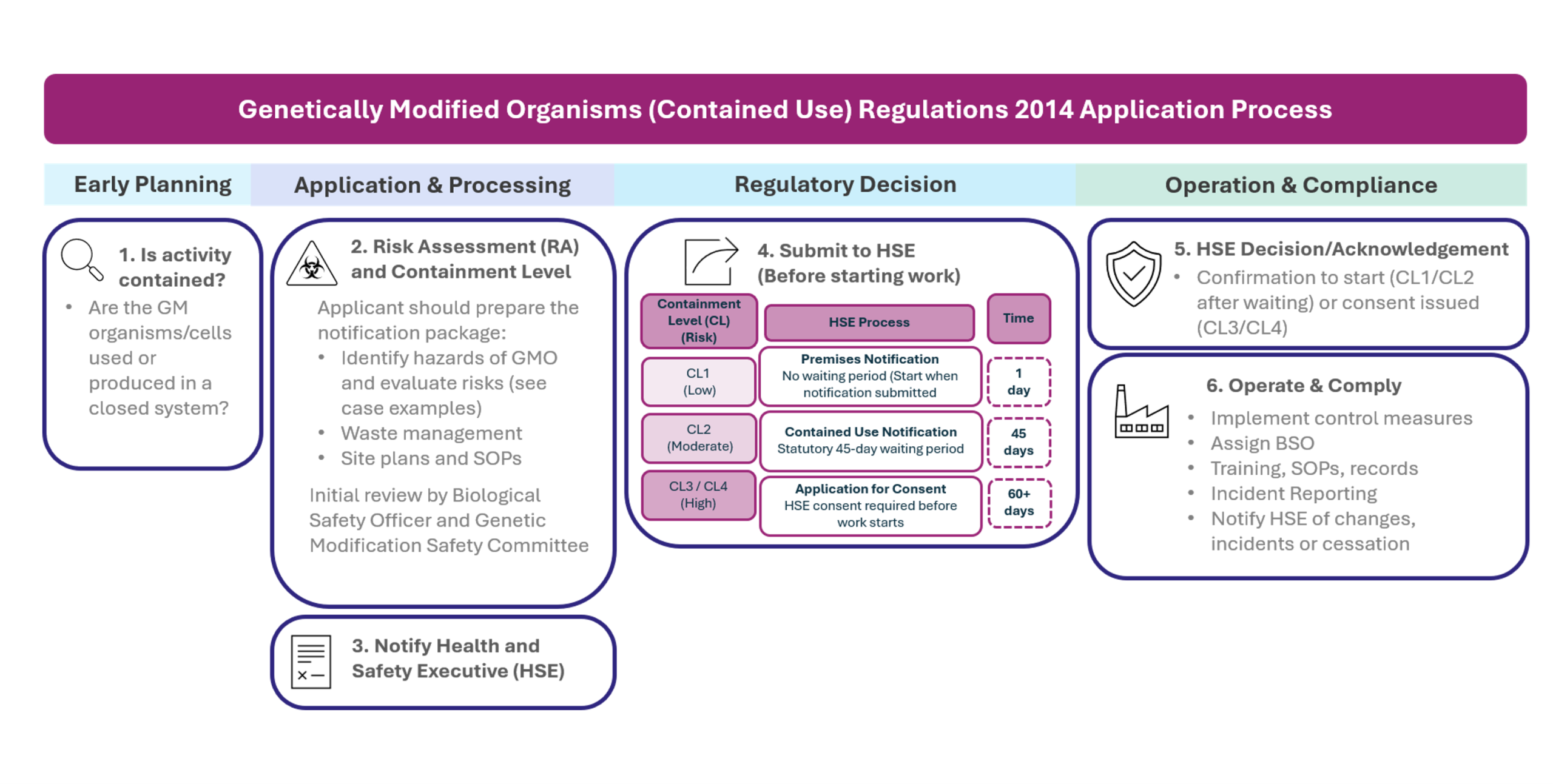
Figure 2. General notification process for GMOs in contained use application
Step 1: Early planning
Before submitting any notification, applicants should complete the following preparatory actions:
- Determine if the GMO to be used or produced falls under the contained use regulations
- Early engagement with appropriate competent authority to better understand the regulatory approval process
- Characterise the GMO: Fully establish the identity, form of genetic modification, and phenotypic characteristics of the organism
- Conduct a literature and regulatory review: Identify comparable organisms (See HSE Public Register), prior risk assessments, and relevant competent authority guidance documents
- Establish or engage with a Genetic Modification Safety Committee (GMSC): ensure committee and expertise are appropriate for the intended activities if they are Class 2 or above
- Ensure facility readiness: Confirm that laboratory or production facility infrastructure meets the containment requirements for the anticipated risk class
Step 2: Application and Notification
Prepare risk assessment: Include detail as described in Risk Assessment Methodology (Also see Part II of the SACGM Guidance for GMMs that are not associated with plants and Part IV of the SACGM Guidance for GMMs that are associated with plants)
A notification application containing the risk assessments, relevant Standard Operating Procedures, site plans and waste management procedures should be included. The general pathway for a new contained use activity at a new premises is:
- Premises notification (only if new premises): Submit premises notification to the competent authority (see above) with the information required by Schedule 5 (GMO Notification Forms). The competent authority will acknowledge receipt within 10 days and issue final clearance within 45 days. Work may begin on acknowledgement of receipt for Class 1 activities only.
- Activity notification (Containment Class 2-4): Submit activity-specific notification for all Class 2 – 4 contained use activities. Include risk assessment, classification rationale, and proposed containment measures.
Step 3: Regulatory Decision
- Regulatory Decision: Await decision during time scale associated with each class’s activities. For Classes 3 and 4, do not commence work until written consent is received (within 45 days of receipt of acknowledgement). Consent may be granted with or without conditions.
- Emergency Planning (if risk assessment indicates an emergency plan is required): Ensure plan is finalised and approved before consent is granted.
Step 4: Operation and Compliance
- Commence Activities: Class 1 and Class 2 activities can begin upon the expiry of the waiting period. For Class 3 and Class 4, activities may begin when consent is confirmed subject to compliance with any imposed conditions.
- Ongoing Obligations: Maintain robust records of the risk assessment and all relevant documentation. Review and update risk assessments when conditions change. Notify the competent authority of any incidents or accidents involving the GMO.
Responsible Person
Application Requirement
Where to find guidance
Pre-application Preparation
Establish a GMSC
Ensure facility readiness
Preparation of risk assessments
Premise Notification
Activity Notification
Regulatory Decision
Emergency Planning
Operation and Compliance
Applicant
Competent authority
Figure 3. Responsible persons for GMO contained use application requirements and links to guidance
Risk Assessment Methodology
The risk assessment for GMOs under Contained Use conditions requires two procedures:
- Identify potential harmful properties (hazard) of the GMM and allocate the GMM to an initial class (class 1 to class 4) taking into account the severity of the potential harmful effects
And
Assessment of possibility of harmful effects occurring by consideration of exposure (both human and environmental) taking into account the nature and scale of the work, with containment measures appropriate to the initial class allocated
- Determination of final classification and containment measures required for the activity. Confirm final classification and containment measures are adequate by revisiting Procedure 1
Part I: Initial Classification – Hazards and Exposure Assessment
This component of the assessment requires the identification of the harmful properties (hazard) of the GMO due to genetic modifications or alteration of the recipient organism’s existing properties resulting in its allocation to a risk category (Class 1 to Class 4) based on the severity of the potential hazards. Submissions should include analysis of potential for harm when the organism comes into contact with both human beings and the environment along with the nature and scale of work to be conducted as well as the nature and efficacy of containment measures appropriate to the initial allocated class.
GMO Characteristics:
- Pathogenicity and virulence of the parental (recipient) organism
- Nature of the genetic modification and characteristics of the inserted or altered sequences
- Properties of the donor organism from which genetic material was derived
- Specific identity, source, location of insert and function of the insert (genes)
- Stability of the genetic modification
- Potential for gene transfer to other organisms
- Nature and source of the vector
Human health considerations (questions to be addressed):
- What are the hazards associated with the recipient strain?
- Pathogenicity, and if it is pathogenic to humans who are immunocompetent
- Could the GMM establish an infection in vivo and how efficient would it be?
- Diseases caused and mechanism of transmission including invasiveness and virulence
- Could the GMM or other organism acquire harmful sequences?
- Possibility of survival outside of human host and biological stability
- What are the hazards associated with the inserted genetic material?
- Expected toxic or allergenic effects of the GMO or its metabolic products
Environmental considerations (questions to be addressed):
- Has the stability or survivability of the recipient strain been altered?
- Ecosystems which the GMO could be unintentionally released from Contained Use and the expected survivability
- Has the infectivity, pathogenicity or host-range of the recipient been altered?
- Does the inserted gene pose a risk to other organisms?
- Known or predicted effects on plants and animals such as pathogenicity, toxicity, allergenicity, vector for a pathogen, altered antibiotic-resistance patterns, altered tropism or host specificity and colonisation
- Could the GMM or other organisms in the environment acquire harmful sequences?
- Anticipated interaction of the modified GMO with other organisms and microorganisms
- Known or predicted involvement in biogeochemical processes
Note: The Approved List of Biological Agents and Specified Pathogens Order provides a classification of biological agents approved by the Advisory Committee on Dangerous Pathogens (ACDP) and can be referred to in risk assessments.
With these considerations and identification of hazards associated with the recipient and donor organism, vector and insert, the initial classification for the GMO is determined. The severity of any possible harm is determined by considering what the result could be, not the likelihood of occurrence. The next consideration for the initial classification is the exposure assessment. This stage assesses the likelihood and routes of human or environmental exposure to the GMO.
Exposure considerations:
- Nature of the activity
- Scale and duration of the contained use activity
- Processes involving the organism (e.g. culture conditions, liquid handling, centrifugation) including containment and management of aerosols
- Effectiveness of proposed containment measures in reducing exposure
- Emergency procedures and incident response capacity
- Monitoring and management of GMM
Why does HSE require an initial classification?
The initial classification establishes the baseline or inherent risk of the activity. It questions:
If no specific containment or mitigation measures were applied, how hazardous would this work be?
By documenting the initial classification, HSE can understand the scientific basis for the assessment independently of the proposed containment measures.
Part II: Final classification
Following the Part I assessment of all potentially harmful characteristics for their severity and possibility of occurrence, with the effect of the containment and control measures in place as indicated by the initial classification, a final classification can be determined and relevant containment measures identified (Table 3). To determine the final classification, the applicant should revisit the initial classification to determine if it was correct with the activities of the GM in mind. By making a comparison of the initial classification against the final classification and associated containment measures, the final class and containment requirements should result in one of the following conclusions:
Initial classification was correct and the outlined containment measures adequately prevent or minimise harm to human health and the environment
Initial classification is higher than the activity warrants and accordingly a lower classification with outlined containment conditions would be appropriate
Harmful effects have not been adequately considered in the initial classification and would not be adequately contained by the provisional containment considerations. Requires additional containment measures and possibly revision of the classification of the activity
Containment Levels
According to Schedule 3 Part 2 of the Genetically Modified Organisms (Contained Use) Regulations 2014, to assign a contained use to the appropriate containment level, the person carrying out the risk assessment must:
- First identify for each selected containment measure the column in the applicable table in Schedule 8 having the lowest number in which that selected containment measure is shown as being required, regardless of whether or not such requirement is subject to any qualification;
- Then select the highest number of all the columns identified in accordance with (a); and
- Then assign the contained use to the containment level of the highest number
The containment measures applicable to contained use involving micro-organisms in laboratories according to Schedule 8 Part 2 containment measures are outlined in Table 1a of Schedule 8 Part 2 of the Genetically Modified Organisms (Contained Use) Regulations 2014 and has been adapted in this guidance in Table 3. For containment measures applicable to contained use involving micro-organisms in plant growth facilities, see Table 1b in Schedule 8 Part 2 of the Genetically Modified Organisms (Contained Use) Regulations 2014 and for those involving micro-organisms in animal units see Table 1c. For containment measures applicable to contained use involving micro-organisms in premises other than those referred to in Tables 1a, 1b and 1c, see Table 2 of Schedule 8.
Table 3: Containment measure applicable to contained use involving micro-organisms in laboratories as outlined in Schedule 8 of the Genetically Modified Organisms (Contained Use
| Containment Measures | Containment Level 1 | Containment Level 2 | Containment Level 3 | Containment Level 4 |
|---|---|---|---|---|
| Facilities | ||||
| Laboratory suite: isolation1 | Not required | Not required | Required | Required |
| Laboratory: sealable for fumigation | Not required | Not required | Required | Required |
| Equipment | ||||
| Surfaces impervious to water, resistant to acids, alkalis, solvents, disinfectants and decontamination agents and easy to clean | Required for any bench | Required for any bench | Required for any bench and floor | Required for any bench, floor, ceiling and walls |
| Entry to laboratory via airlock2 | Not required | Not required | Required where and to extent the risk assessment shows it is required | Required |
| Negative pressure relative to the pressure of the immediate surroundings | Not required | Not required | Required except for activities where transmission does not occur by the airborne route | Required |
| Extract and input air from the laboratory must be HEPA filtered | Not required | Not required | HEPA filters required for extract air except for activities where transmission does not occur by the airborne route | HEPA filters required for input and extract air3 |
| Microbiological safety cabinet/enclosure | Not required | Required where and to extent the risk assessment shows it is required | Required, and all procedures with infective materials required to be contained within a cabinet/enclosure | Required, and all procedures with infective materials required to be contained within a cabinet/enclosure |
| Autoclave | Required on site | Required in the building | Required in the laboratory suite4 | Double Ended autoclave required in laboratory |
| Systems of work | ||||
| Access restricted to authorised personnel only | Not required | Required | Required | Required (via airlock key procedure) |
| Biohazard sign on door | Not required | Required | Required | Required |
| Specific measures to control aerosol dissemination | Not required | Required so as to minimise | Required so as to prevent | Required so as to prevent |
| Shower | Not required | Not required | Required where and to extent the risk assessment shows it is required | Required |
| Protective clothing | Suitable protective clothing required | Suitable protective clothing required | Suitable protective clothing required; footwear required where and to extent the risk assessment shows it is required | Complete change of clothing and footwear required before entry and exit |
| Gloves | Not required | Required where and to extent the risk assessment shows they are required | Required | Required |
| Efficient control of disease vectors (e.g. rodents and insects) which could disseminate GMMs | Required where and to extent the risk assessment shows it is required | Required | Required | Required |
| Waste | ||||
| Inactivation of GMMs in effluent from hand-washing sinks and showers and similar effluents | Not required | Not required | Required where and to extent the risk assessment shows it is required | Required |
| Inactivation of GMMs in contaminated material and waste | Required by validated means where and to extent the risk assessment shows it is required | Required by validated means | Required by validated means, with waste inactivated within the laboratory suite | Required by validated means, with waste inactivated within the laboratory |
| Other measures | ||||
| Laboratory to contain its own equipment | Not required | Not required | Required, so far as is reasonably practicable | Required |
| An observation window or alternative is to be present so that occupants can be seen | Required where and to extent the risk assessment shows it is required | Required where and to extent the risk assessment shows it is required | Required where and to extent the risk assessment shows it is required | Required |
| Safe storage of GMMs | Required where and to extent the risk assessment shows it is required | Required | Required | Secure storage required |
| Written records of staff training | Not required | Required where and to extent the risk assessment shows it is required | Required | Required |
1 “isolation” means, in relation to a laboratory, separation of the laboratory from other areas in the same building, or being in a separate building.
2 Entry must be through an airlock which is a chamber isolated from the laboratory. The clean side of the airlock must be separated from the restricted side by changing or showering facilities and preferably by interlocking doors.
3 Where viruses are not retained by the HEPA filters, extra requirements will be necessary for extract air.
4 Where the autoclave is outside the laboratory in which the contained use is being undertaken, but within the laboratory suite, there must be validated procedures for the safe transfer of material into that autoclave, which provide a level of protection equivalent to that which would be achieved by having an autoclave in that laboratory.
Once the final classification and containment conditions have been determined, the level of human and environmental exposure should be reassessed (as in Part I). The possibility of any harmful effects occurring should be acceptably low. When the risk assessment process has been completed by the applicant, this can be reviewed and approved by the appropriate competent authority.
Why does HSE require a final classification?
Once hazards have been identified, applicants must determine whether the proposed control measures reduce the risk sufficiently. It questions:
Given the containment measures proposed, what is the residual level or risk?
For example, initial classification may require higher containment because it involves an organism capable of surviving outside the laboratory. However, if the proposed work includes the use of closed bioreactors, validated sterilisation of waste, restricted laboratory access, appropriate microbiological practices, and effective monitoring, the residual risk may be sufficiently reduced to justify a lower contained use class. Alternatively, if the control measures are inadequate, the final classification may remain high or require additional containment.
The two-stage process allows inspectors to:
- evaluate whether the applicant has identified all relevant hazards
- assess whether the proposed containment measures are proportionate
- ensure consistency in classification across different facilities and applicants
- verify that containment is based on evidence rather than assumptions
- provide a transparent audit trail showing how the final containment class was reached
This distinguishes between a hazard and managed risk and ensures containment measures are evidence based and proportionate to the actual level of risk posed by the activity.
Visit the EBIC Website: https://ebicentre.co.uk/
Disclaimer: This document is for information purposes only and provides general guidance about the process of applying for and securing approval for the use of Genetically Modified Organisms. The guidance is not intended to constitute advice in relation to any specific case. Every attempt has been made to present up to date and accurate information. We provide no warranty as to the accuracy of the information contained in this guidance and accept no liability for any loss, damage or inconvenience caused as a result of reliance on such information. We are not responsible for the content of external websites which are linked from this guidance. For administrative advice, form submissions, and general regulatory inquiries regarding GMO contained use, you can contact the HSE Notifications Officer directly via email at bioagents@hse.gov.uk.

