
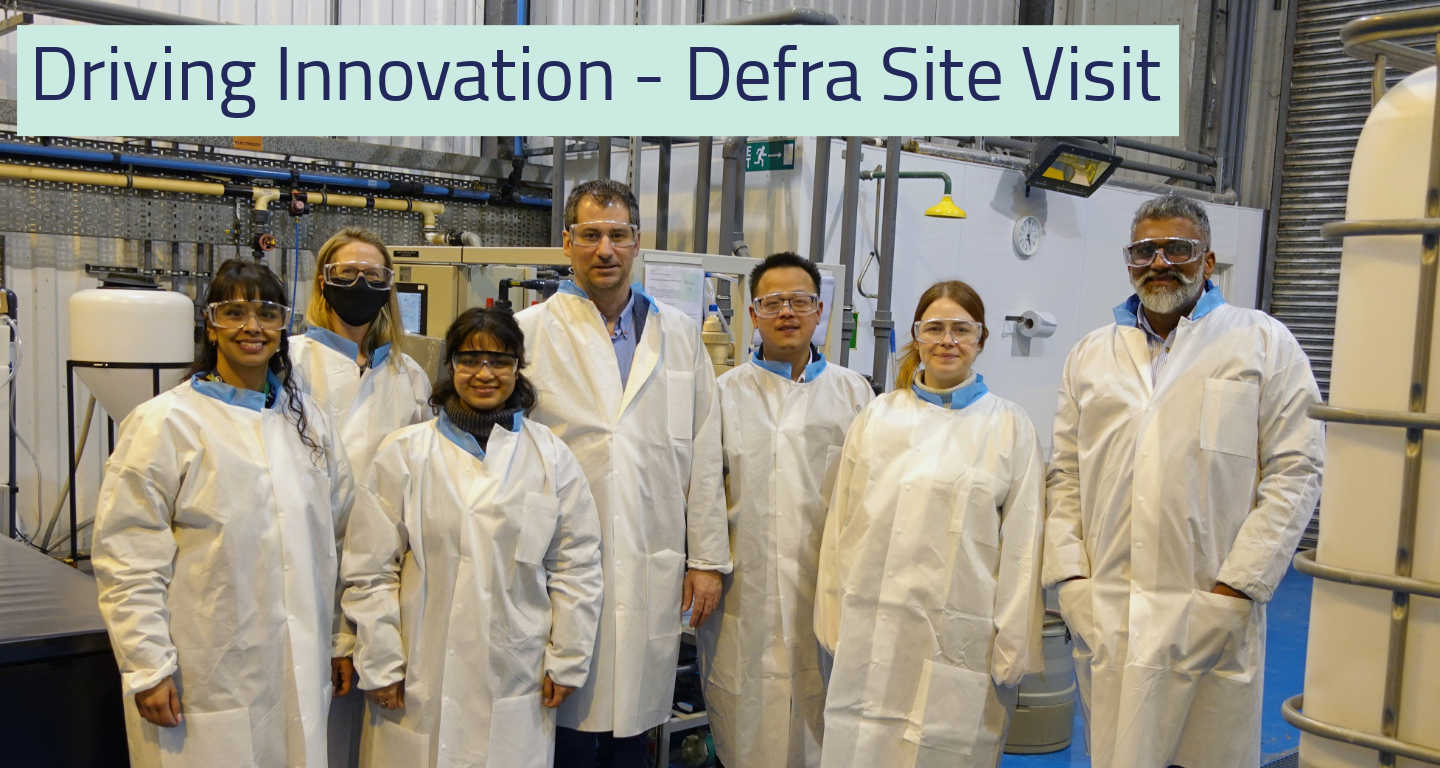
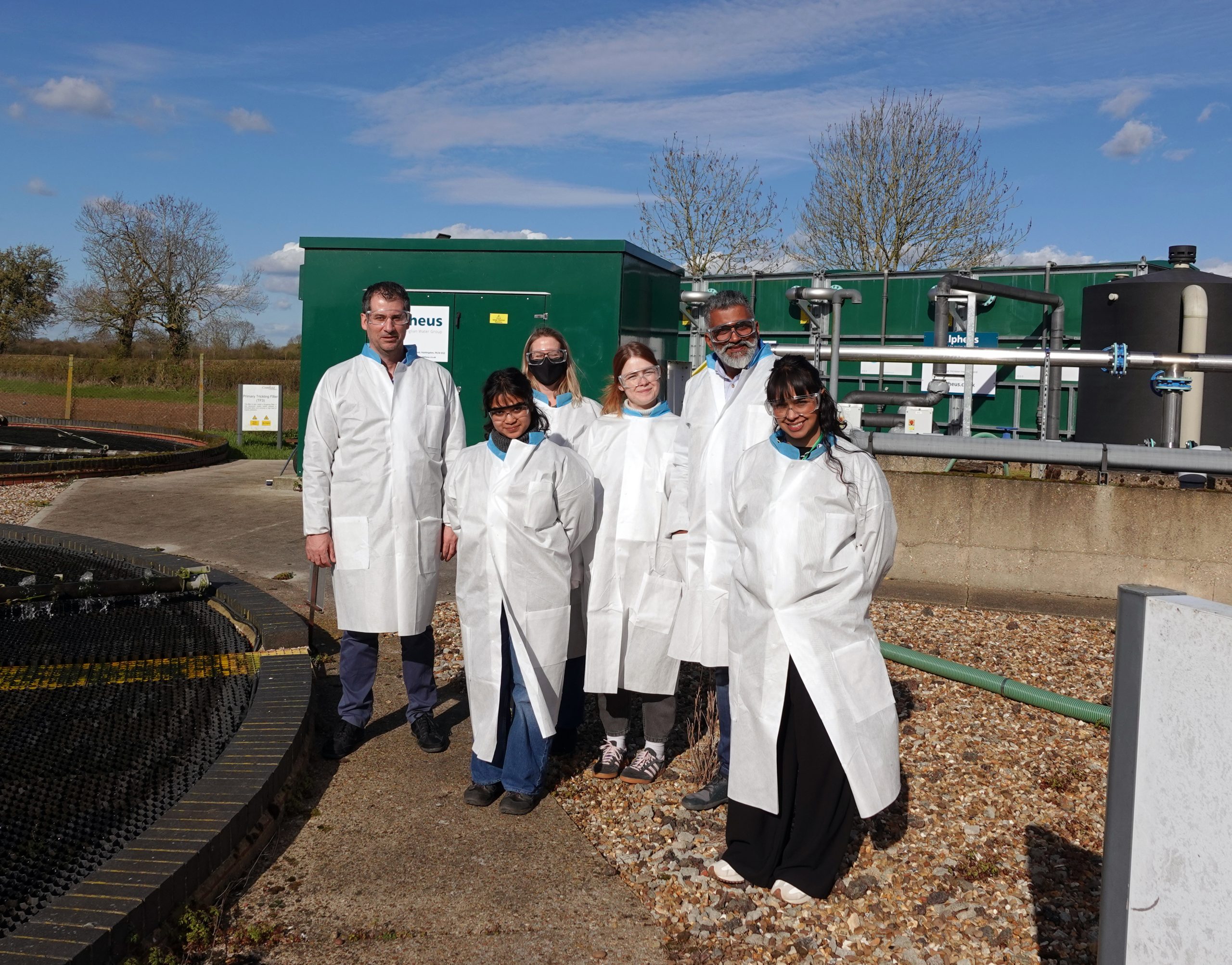
The EBIC team at Cranfield University welcomed colleagues from Defra Central Science Division for a focused visit and fact-finding mission, designed not only to showcase our facilities but to explore the opportunities and challenges of deploying engineering biology in environmental applications, especially within the water sector.
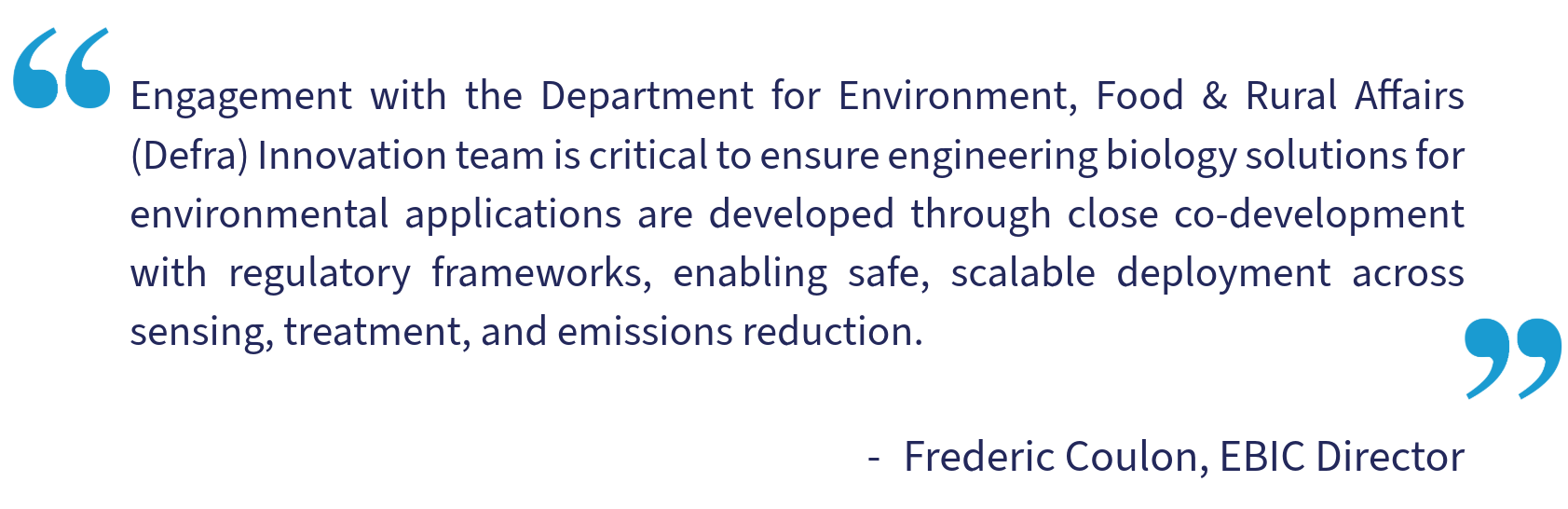
With engineering biology identified as a UK Government priority, the visit created a valuable forum to examine what real-world implementation entails: from technical readiness and scalability, to regulatory considerations, risk management, and public acceptance. These discussions are critical to understanding how emerging biotechnologies can be translated into robust, deployable solutions for water quality, wastewater treatment, and resource recovery.
Since EBIC’s inception, we have prioritised early, transparent engagement to align our research with policy, industry needs, and societal expectations. Strengthening this dialogue ensures our work remains both scientifically advanced and operationally relevant. We are grateful to the Defra team for their active participation in shaping this conversation.
Exploring EBIC’s Research
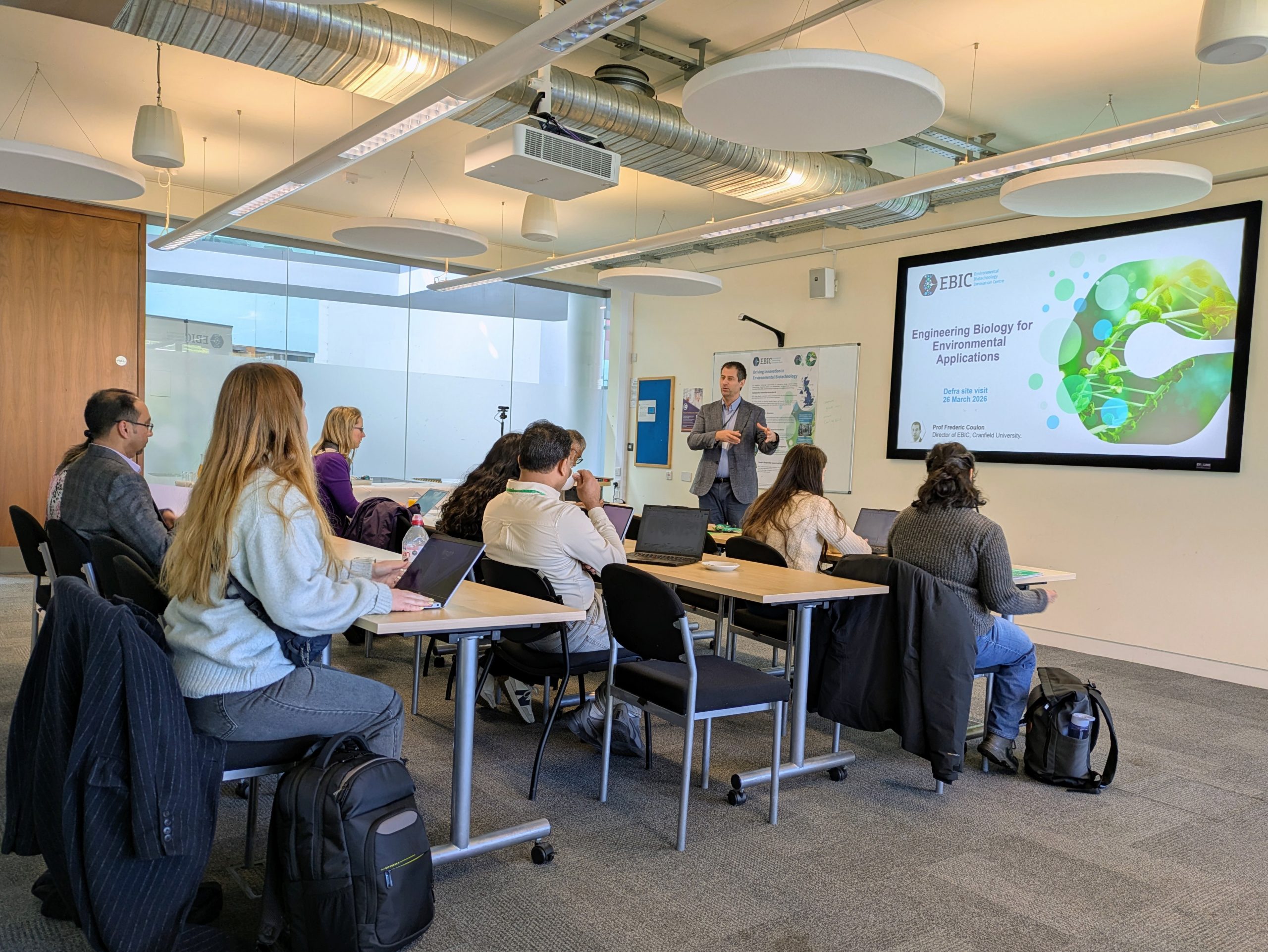
During the visit, EBIC Director Prof Frederic Coulon outlined our research delivery across four core themes:
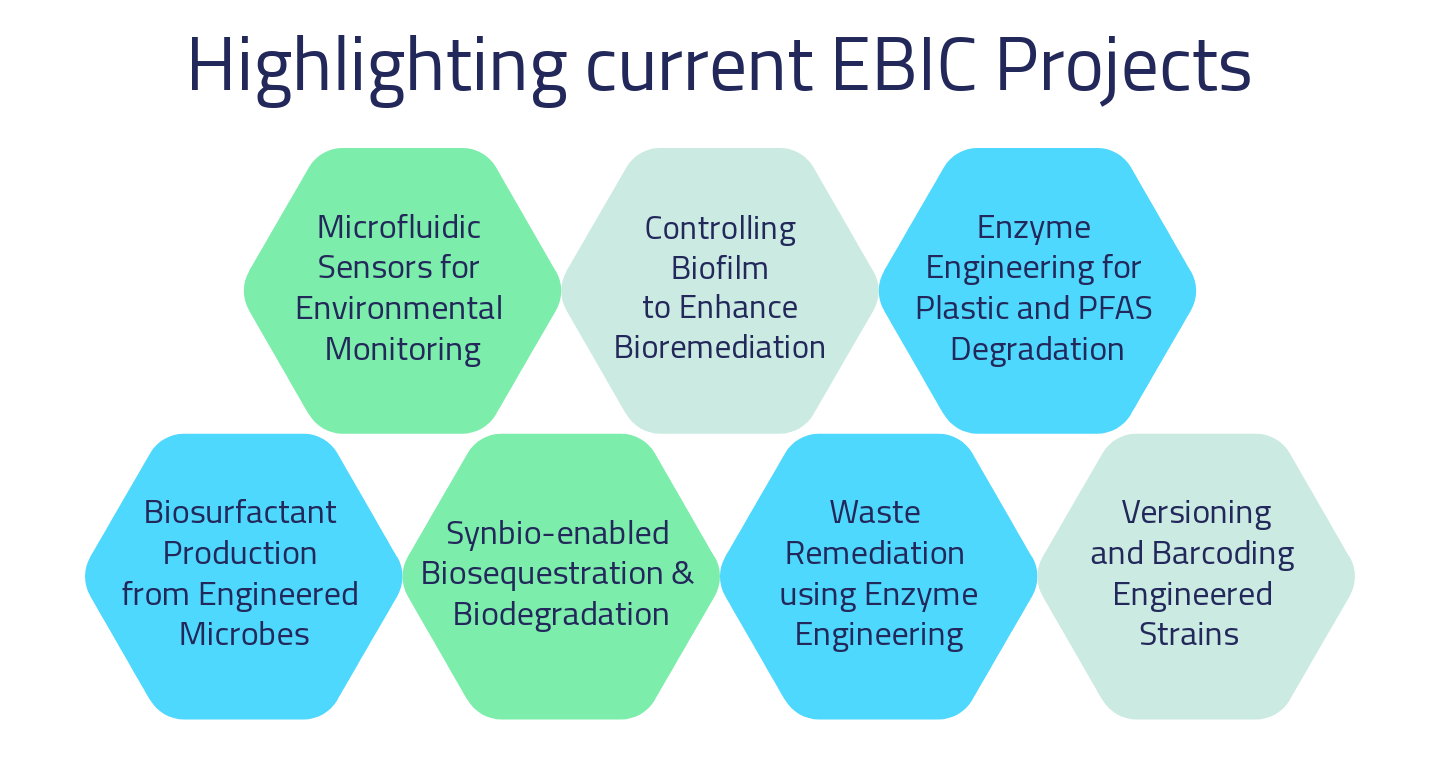
- Theme 1 – Next generation biosensors
- Theme 2 – Environmental bioremediation
- Theme 3 – Wastewater and waste management
- Theme 4 – Responsible research and innovation
The visit also provided an opportunity to showcase EBIC’s integrated network of partnerships and facilities (EBIC Facilities – Ebic-Hub), and to emphasise the importance of sustained engagement with regulatory and policy bodies such as HSE, Defra, and Ofwat. These interactions are essential to understanding not only the technical opportunities of engineering biology, but also the regulatory, operational, and societal constraints that will shape its deployment, particularly in the water sector.
A key focus of the discussion during the visit was EBIC’s strategic collaboration with the National Measurement Laboratory (NML) and the National Physical Laboratory (NPL). Embedding standards and metrology early in the research lifecycle is critical as it enables the transition from isolated innovation to reproducible, system-level application, which in turn underpins regulatory confidence, performance benchmarking, and sector-wide adoption.
Into the Labs
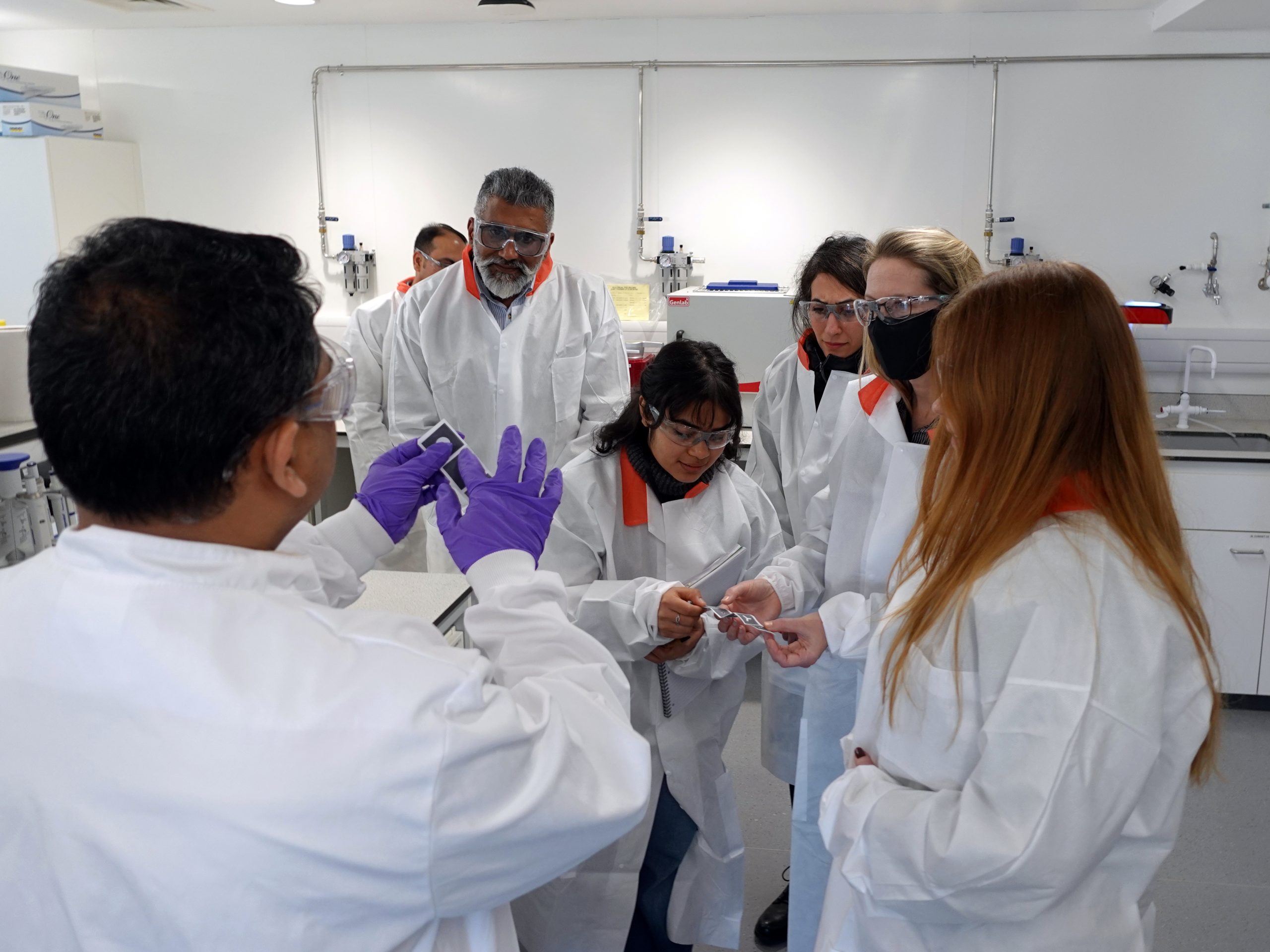
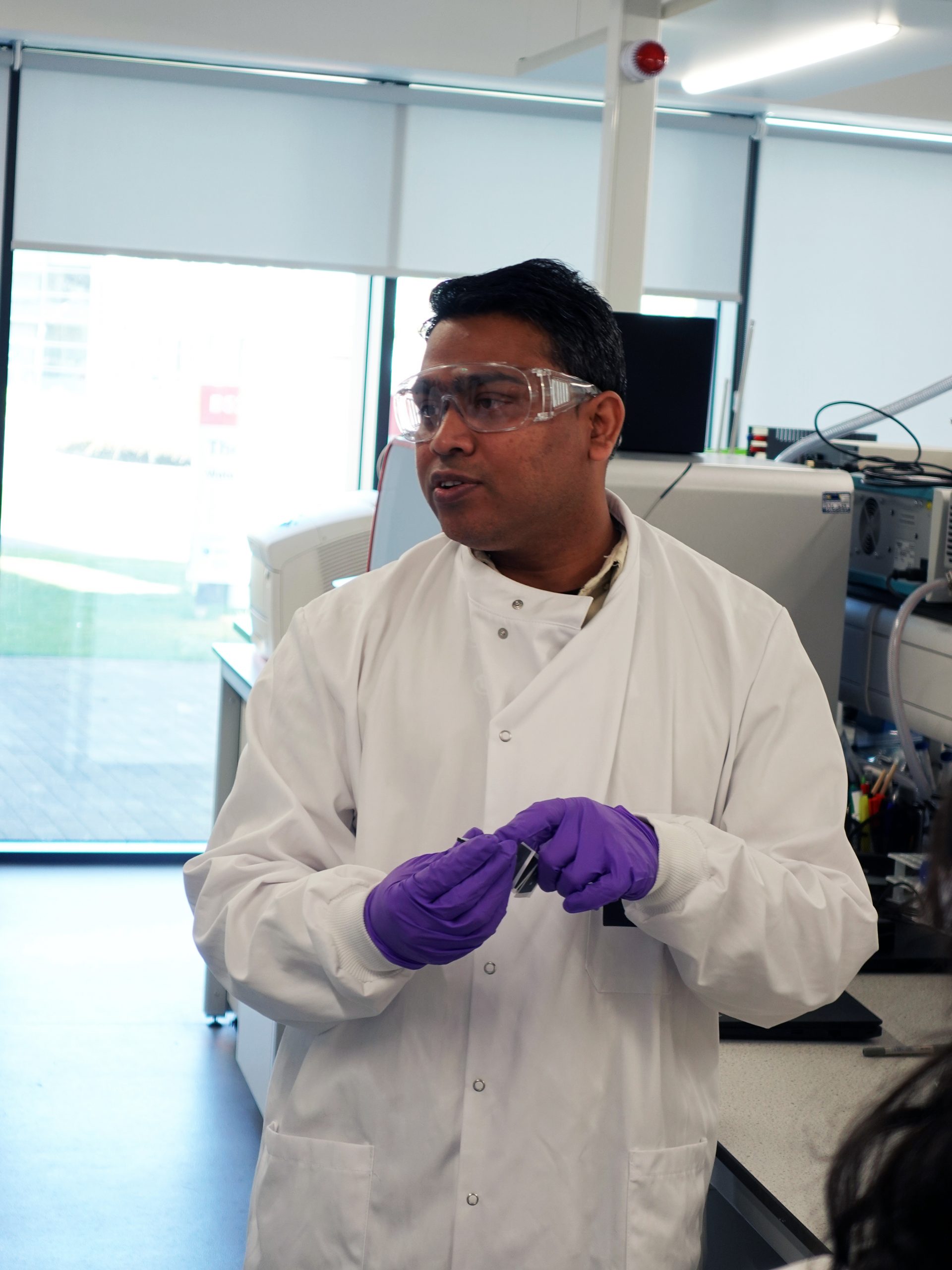
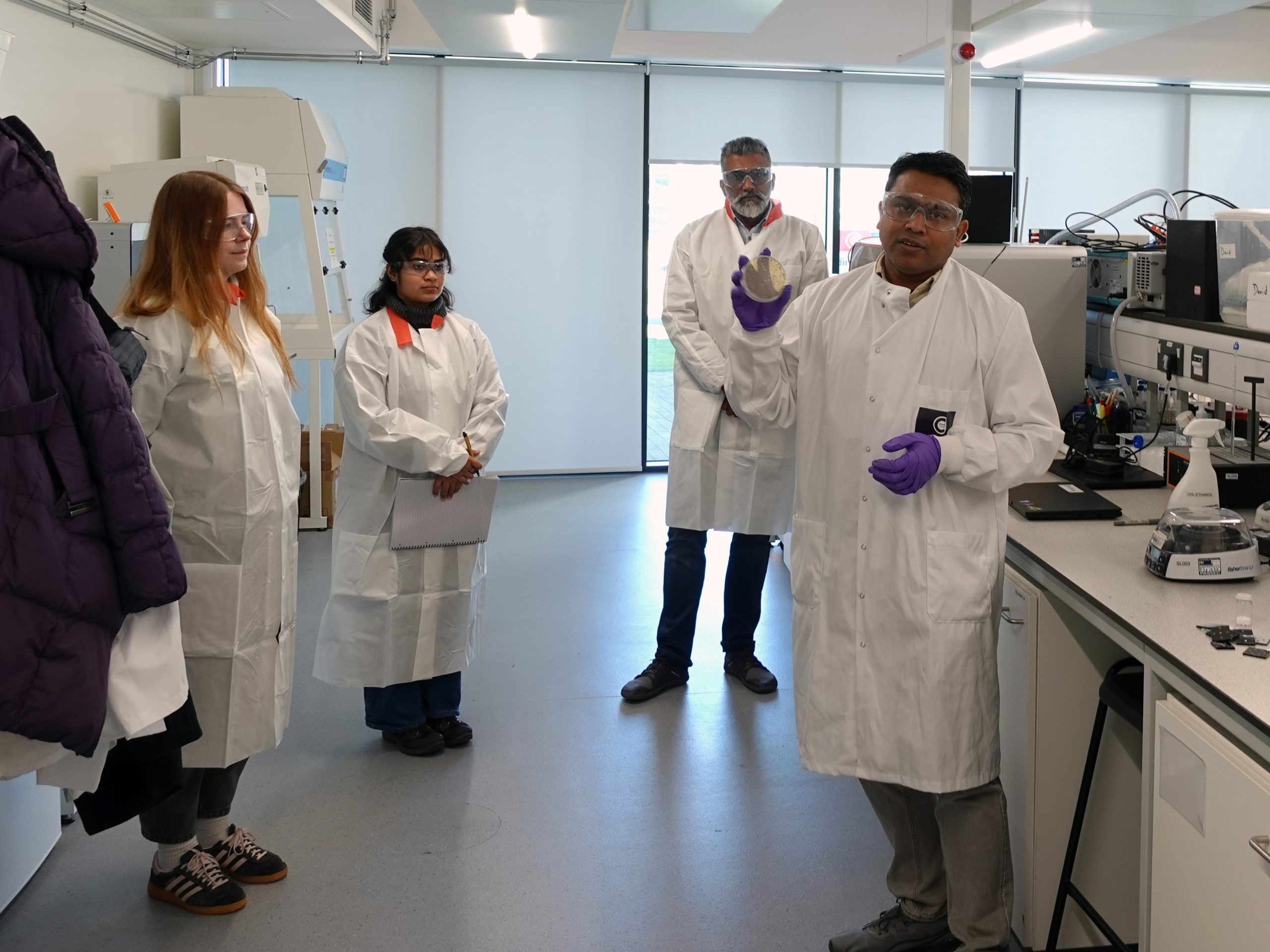
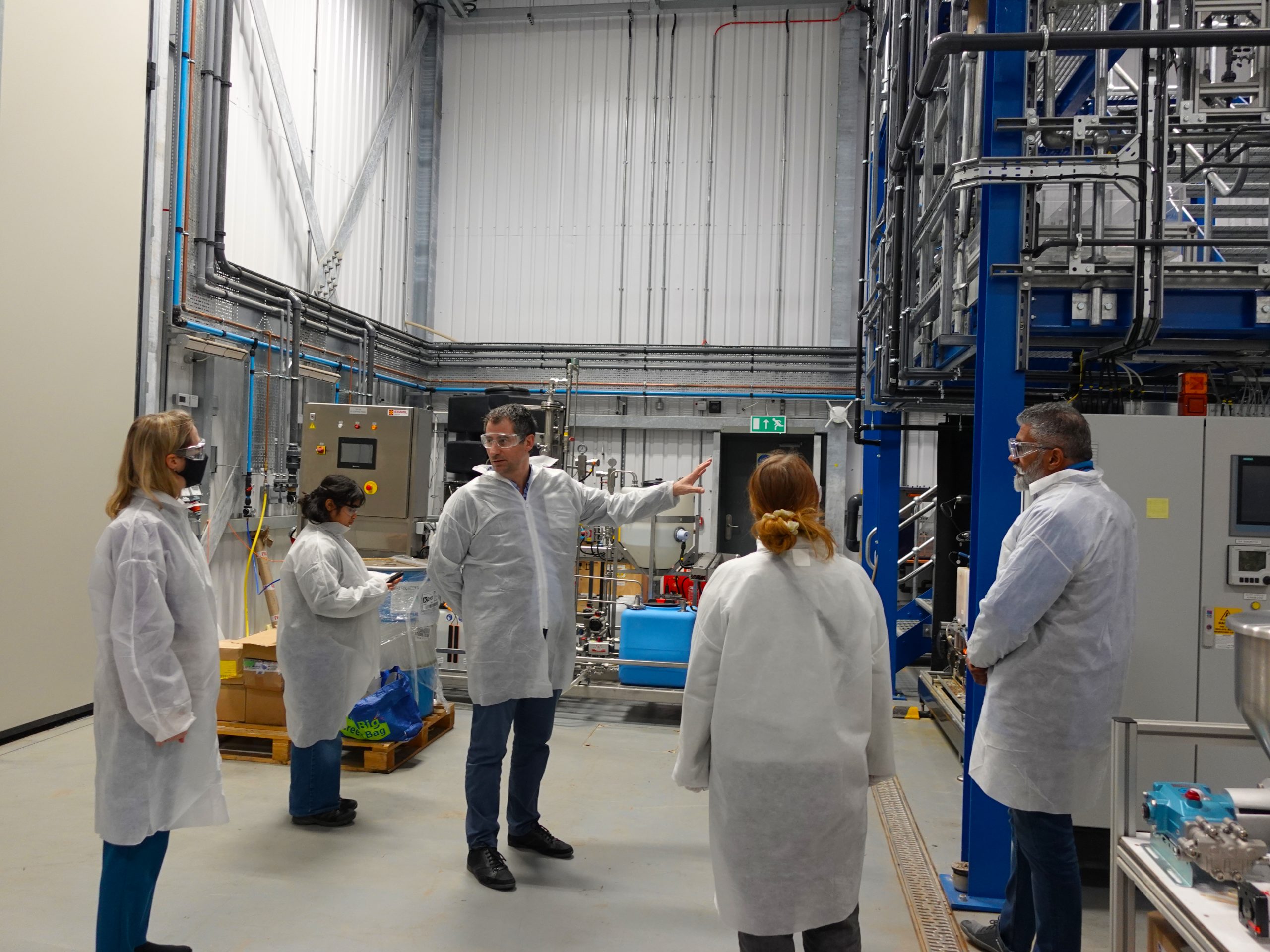
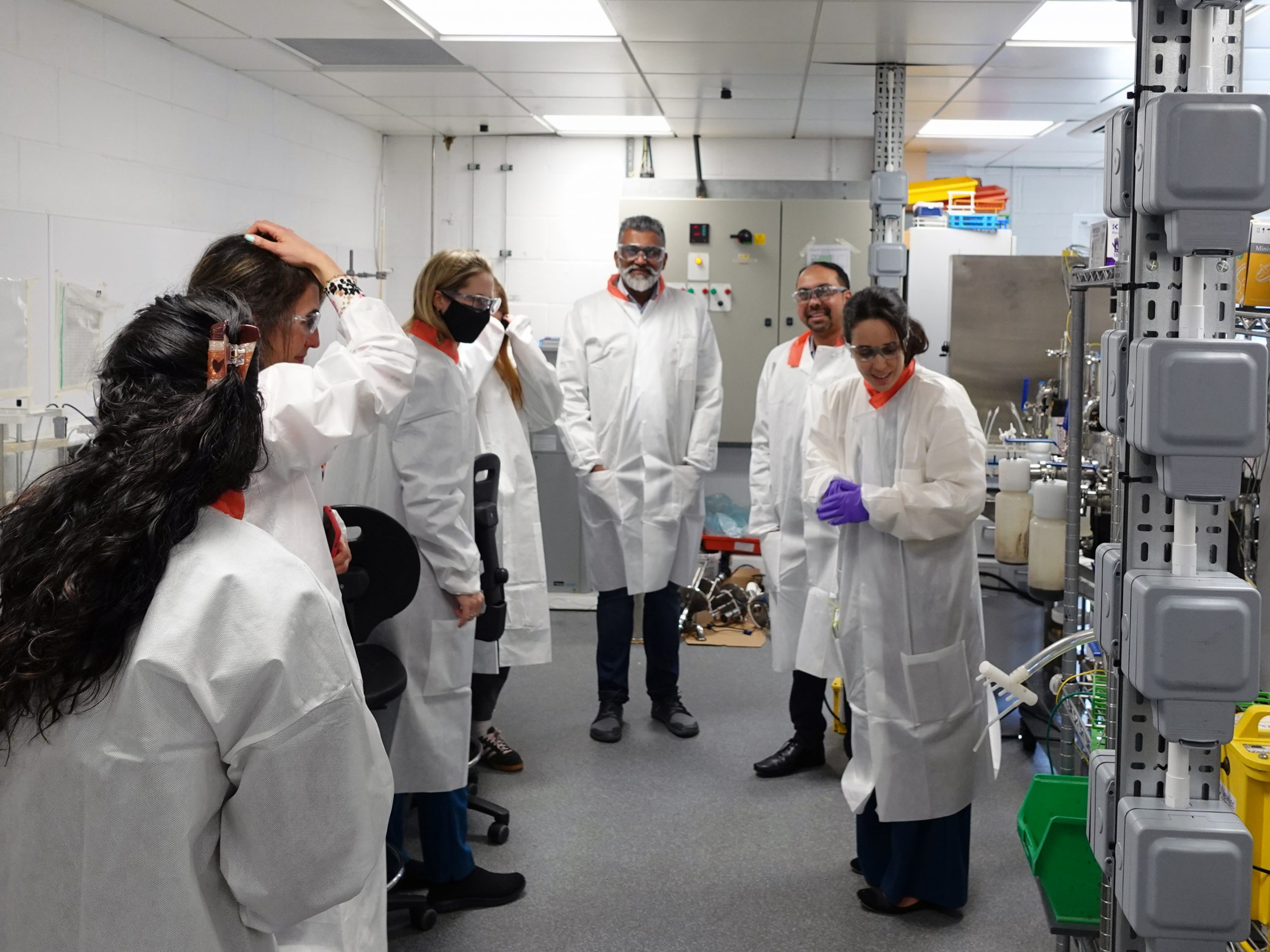
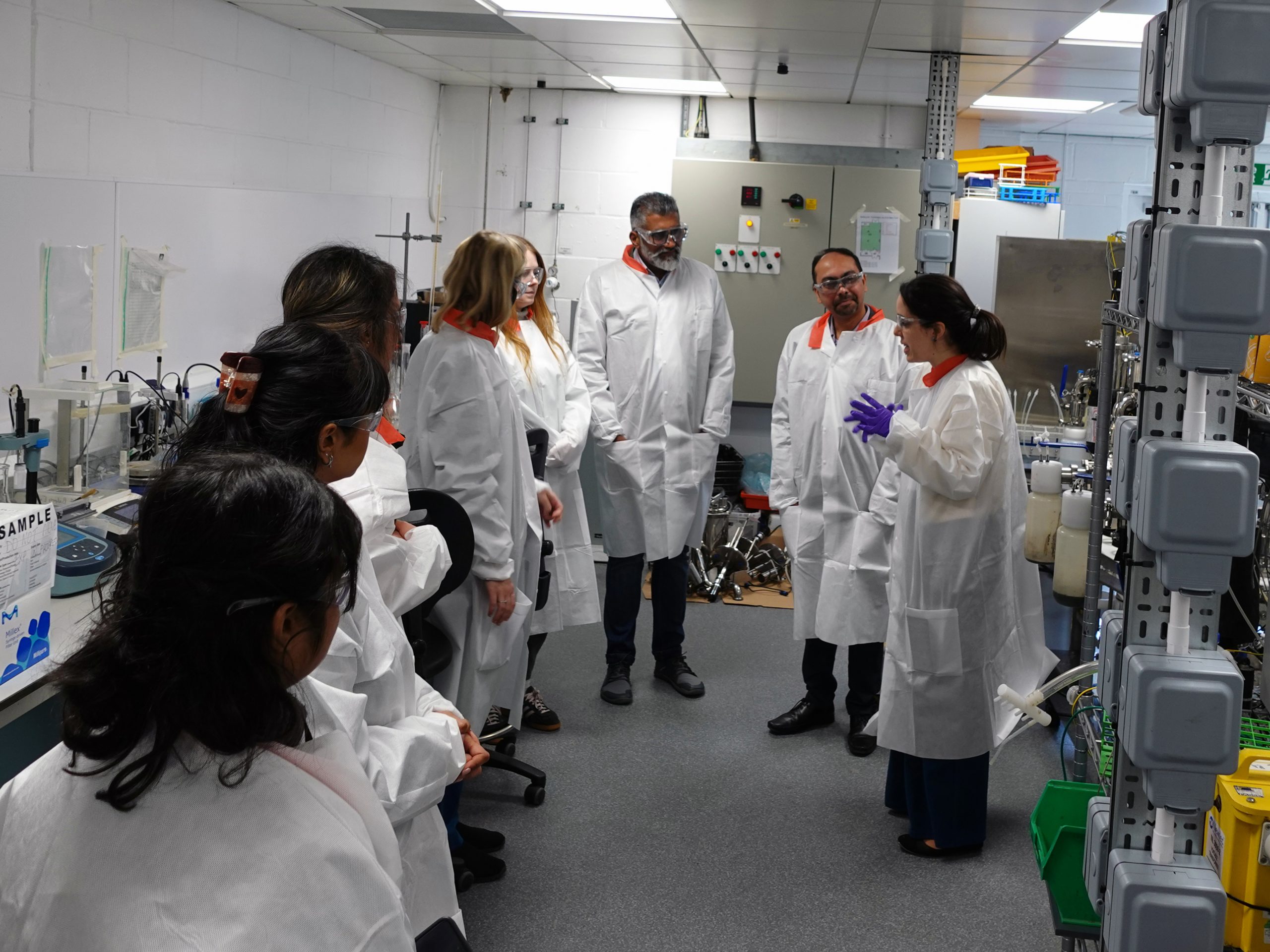
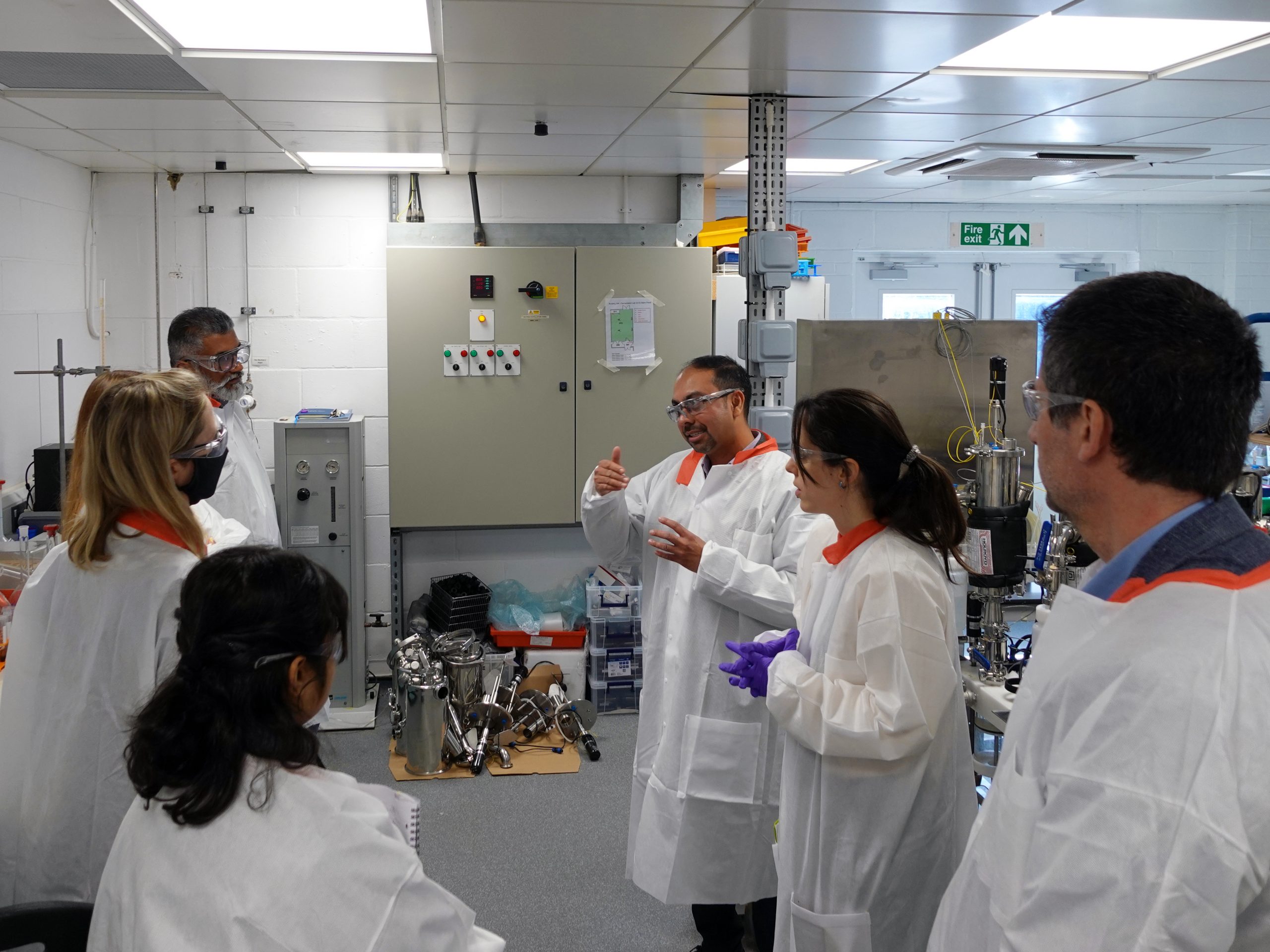
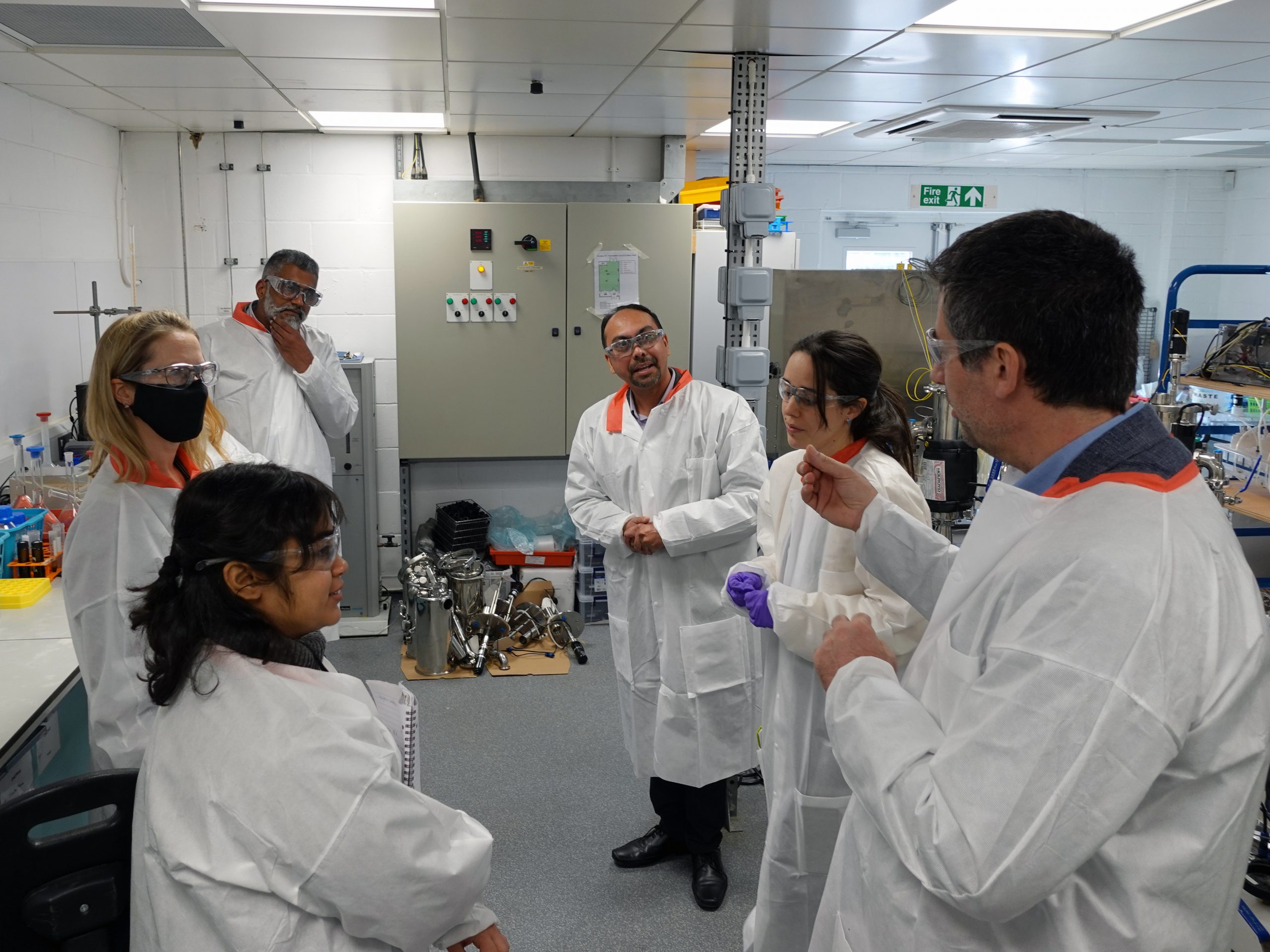
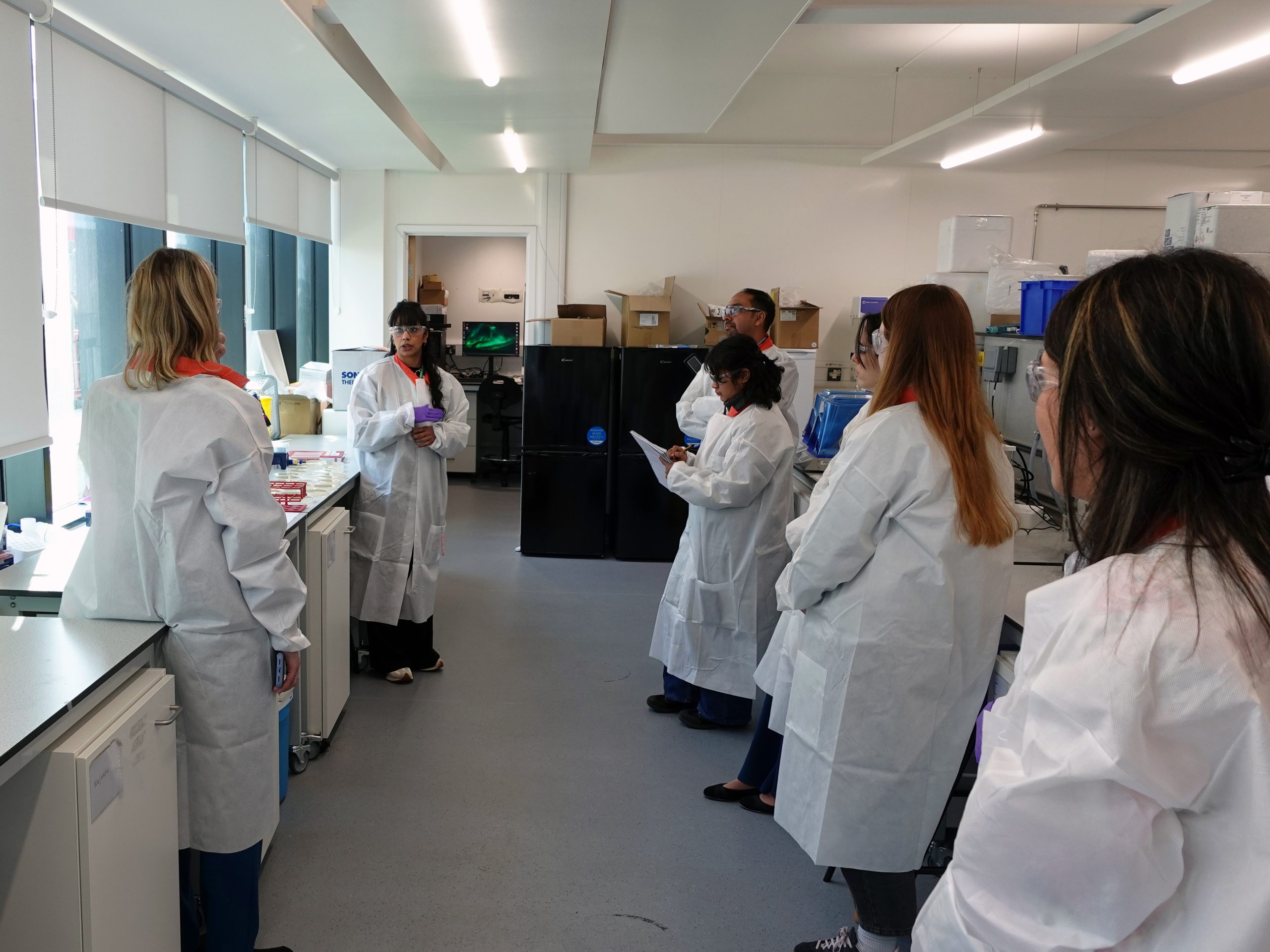
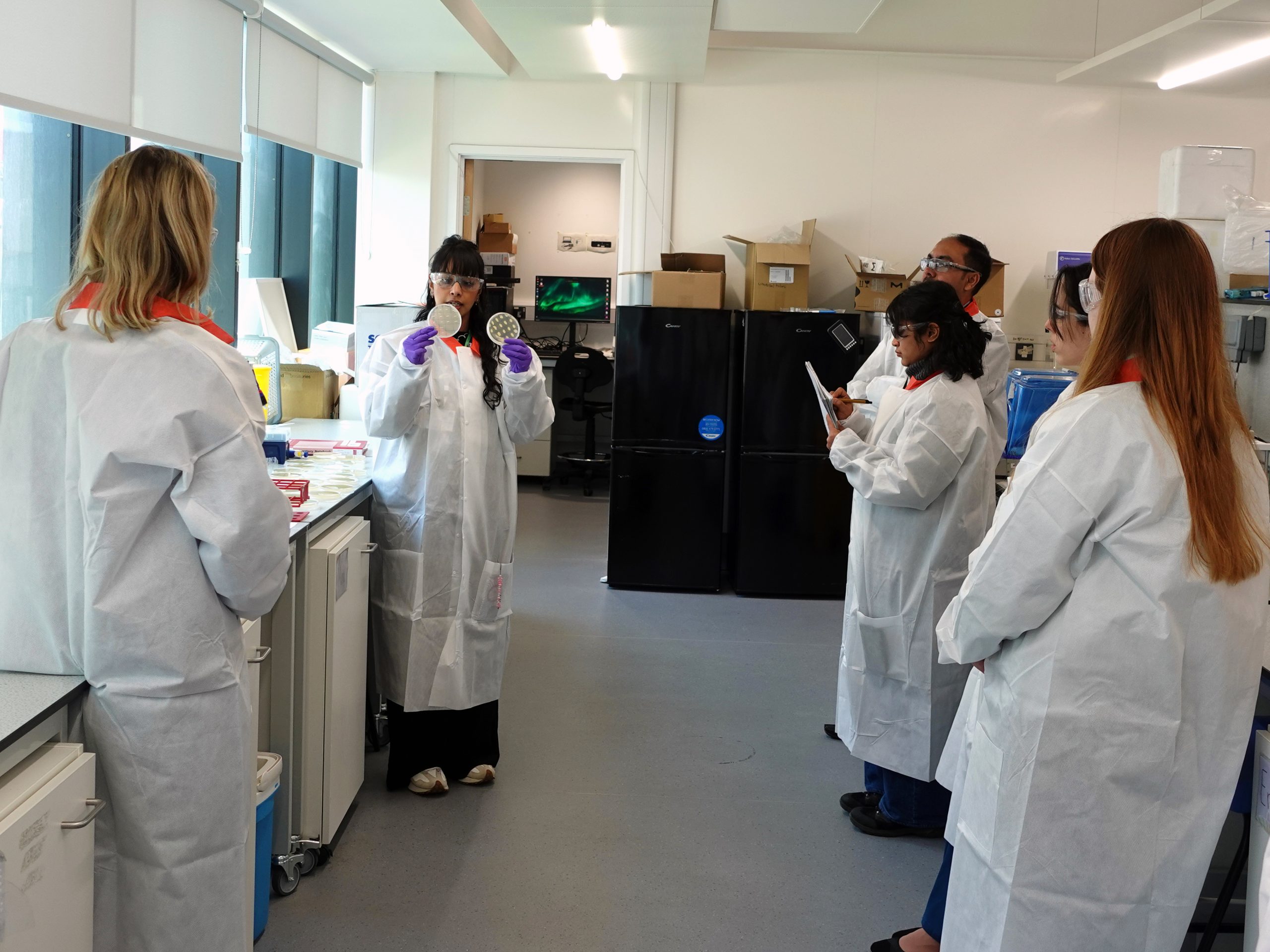
The breadth of EBIC’s interdisciplinary expertise was demonstrated through a series of lab visits, highlighting how convergent approaches are being applied to complex environmental challenges. In the biosensors laboratory, Dr Dhiman Chakravarty presented work on rapid, paper-based detection platforms for PFAS and pathogens, illustrating the potential for low-cost, portable diagnostics to support distributed monitoring and even citizen-led data collection. This was followed by Dr Yasmin Meeda’s research on microbial biodegradation of pesticides, including the selection and optimisation of engineered strains for targeted environmental applications. Dr Mahsa Baniasadi then introduced her work on bioleaching, using acidophilic microorganisms to recover metals such as iron and zinc from industrial waste streams, with ongoing efforts targeting higher-value elements.
The final laboratory session explored bioresource treatment, where Dr Yadira Bajón Fernández presented advances in anaerobic digestion and microbial optimisation for enhanced methane production from waste and sludge. Complementing this, Dr Abhishek Baghela outlined innovations in fungal biotechnology, including pathways for converting waste into high-value products such as sustainable aviation fuels, demonstrating the broader potential of engineering biology within a circular bioeconomy framework.
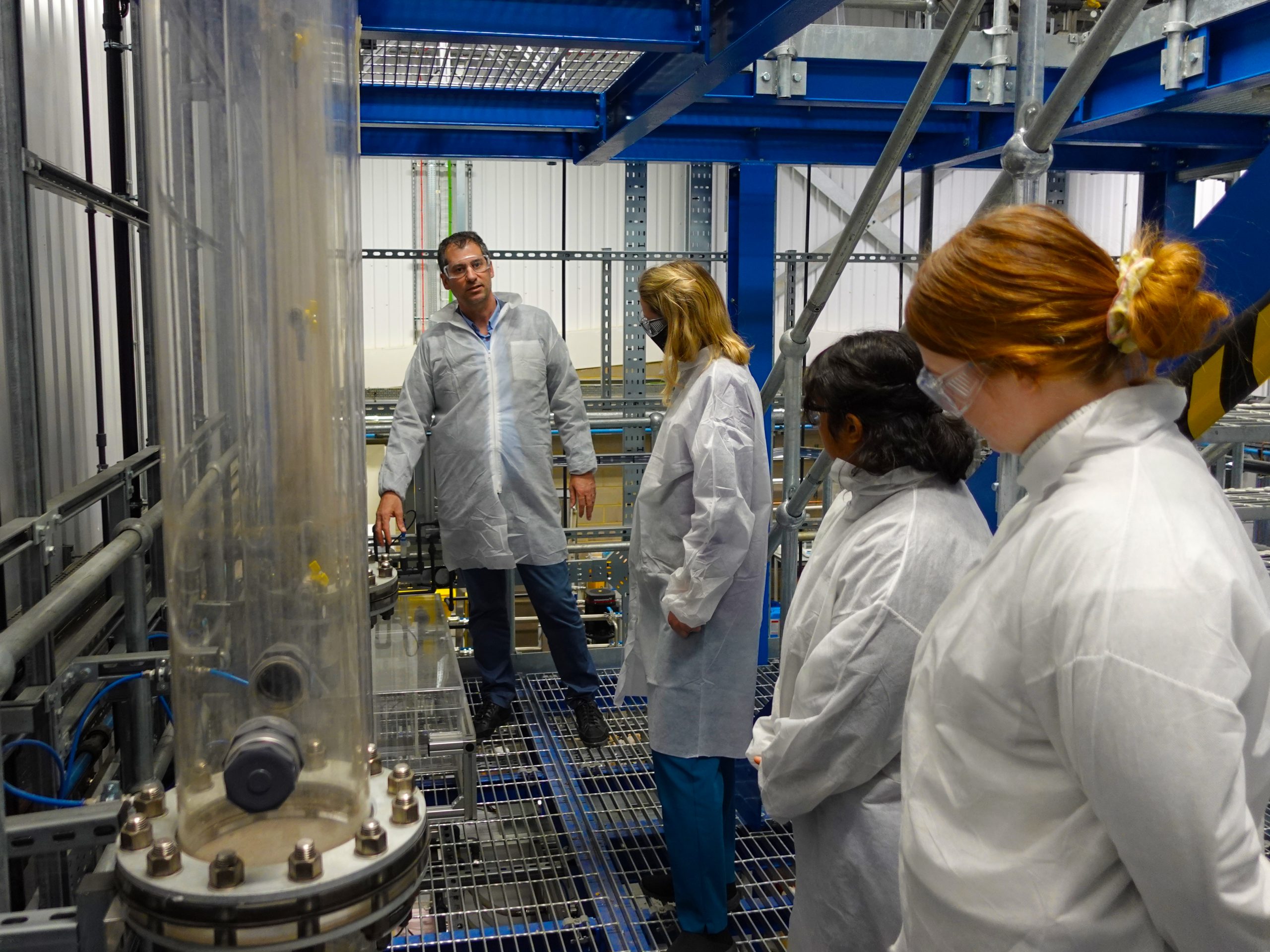
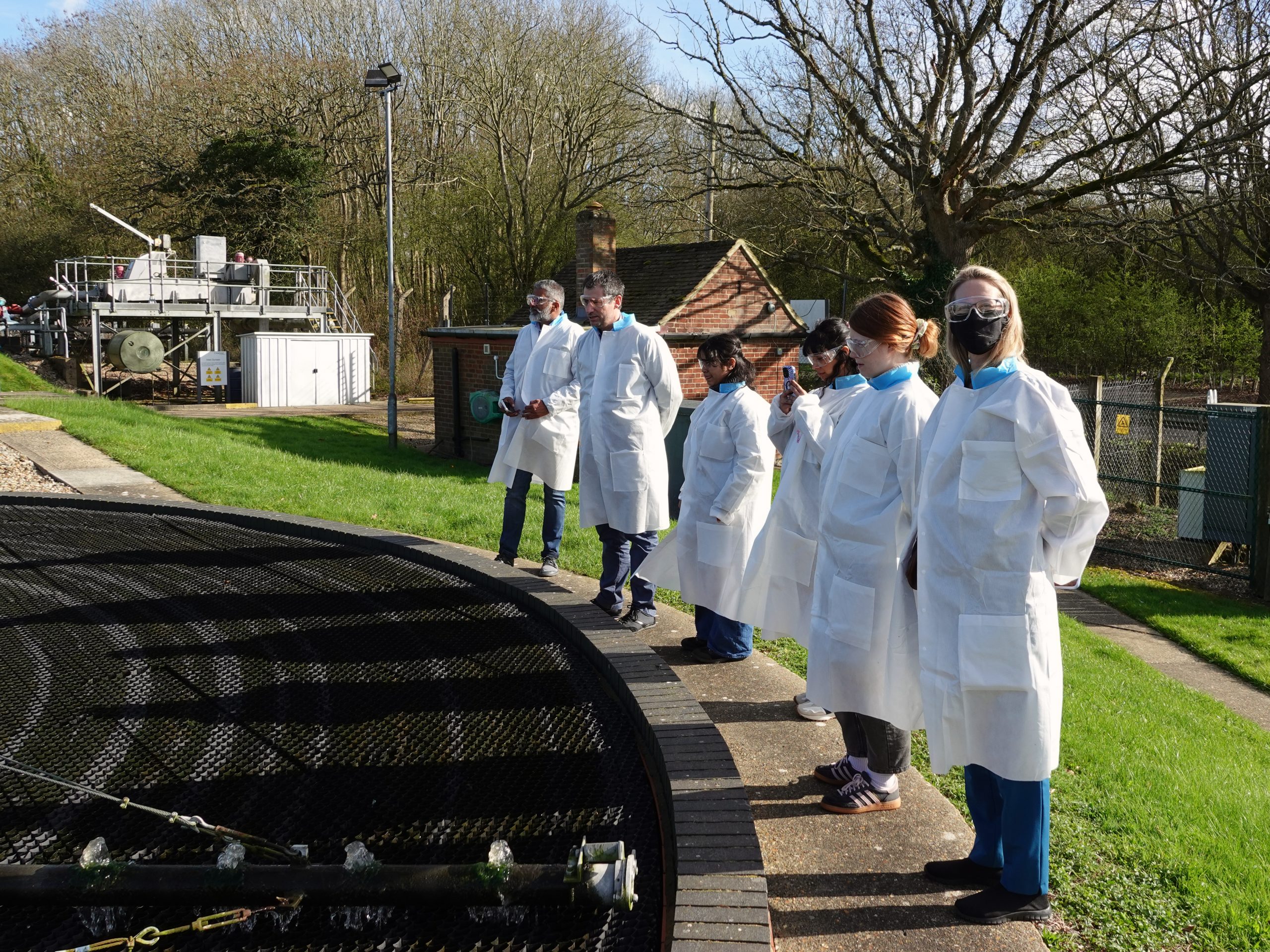
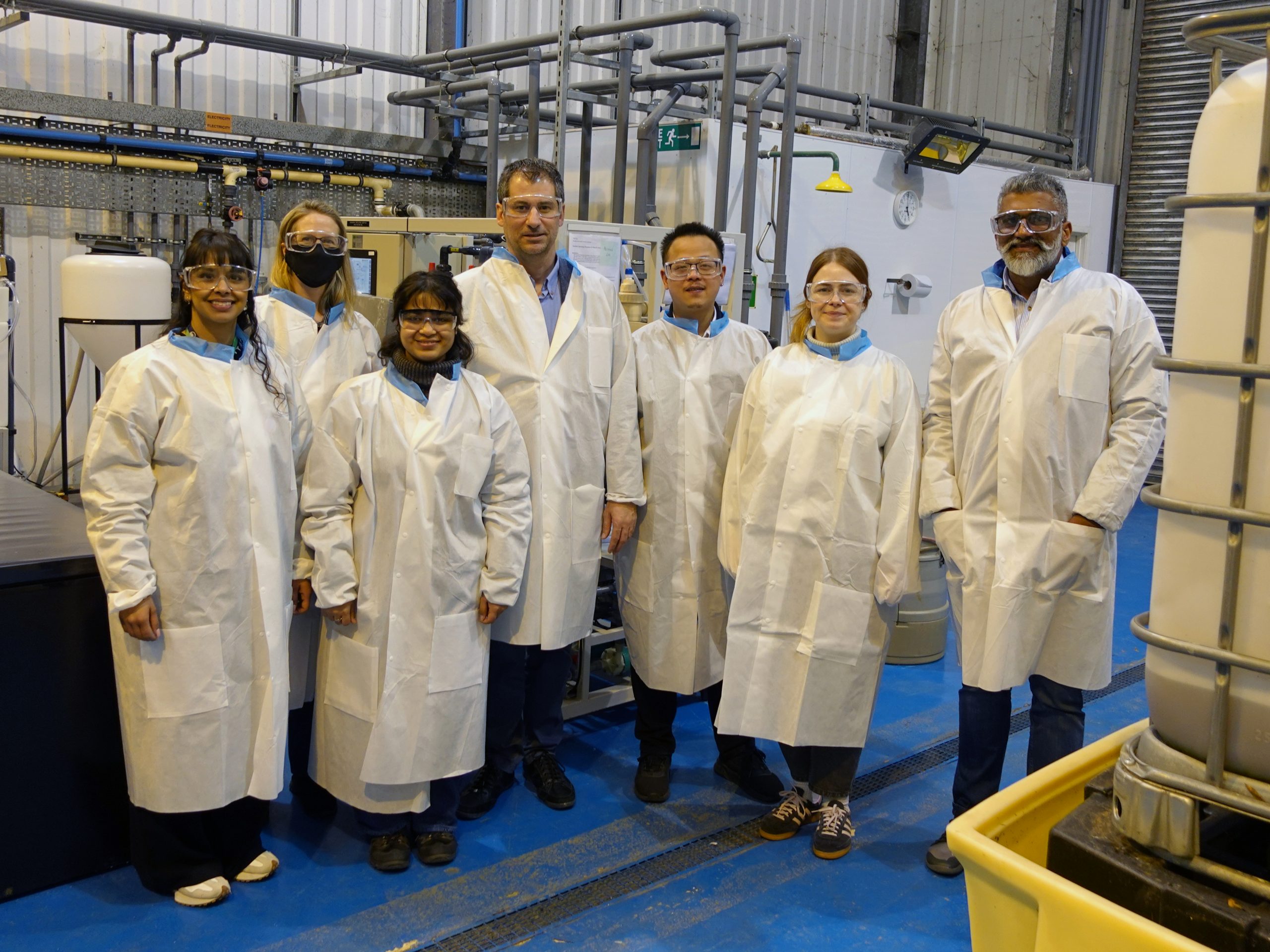
The visit concluded at Cranfield’s UKCRIC National Research Facility for Water and Wastewater Treatment, a state-of-the-art platform for piloting and scaling treatment technologies. Dr Tao Lyu also showcased work on nature-based solutions (NBS), particularly the use of engineered and enhanced wetland systems for water treatment. This opened up discussion on how engineering biology could be integrated with established NBS platforms to improve the removal of emerging contaminants, combining the resilience and low-energy benefits of natural systems with the specificity and performance gains offered by engineered biological processes. Access to such infrastructure is pivotal in bridging the gap between laboratory discovery and deployable solutions, enabling validation under realistic operating conditions. It also reinforced the role of engineering biology in augmenting and optimising existing biological treatment systems.
The importance of collaboration
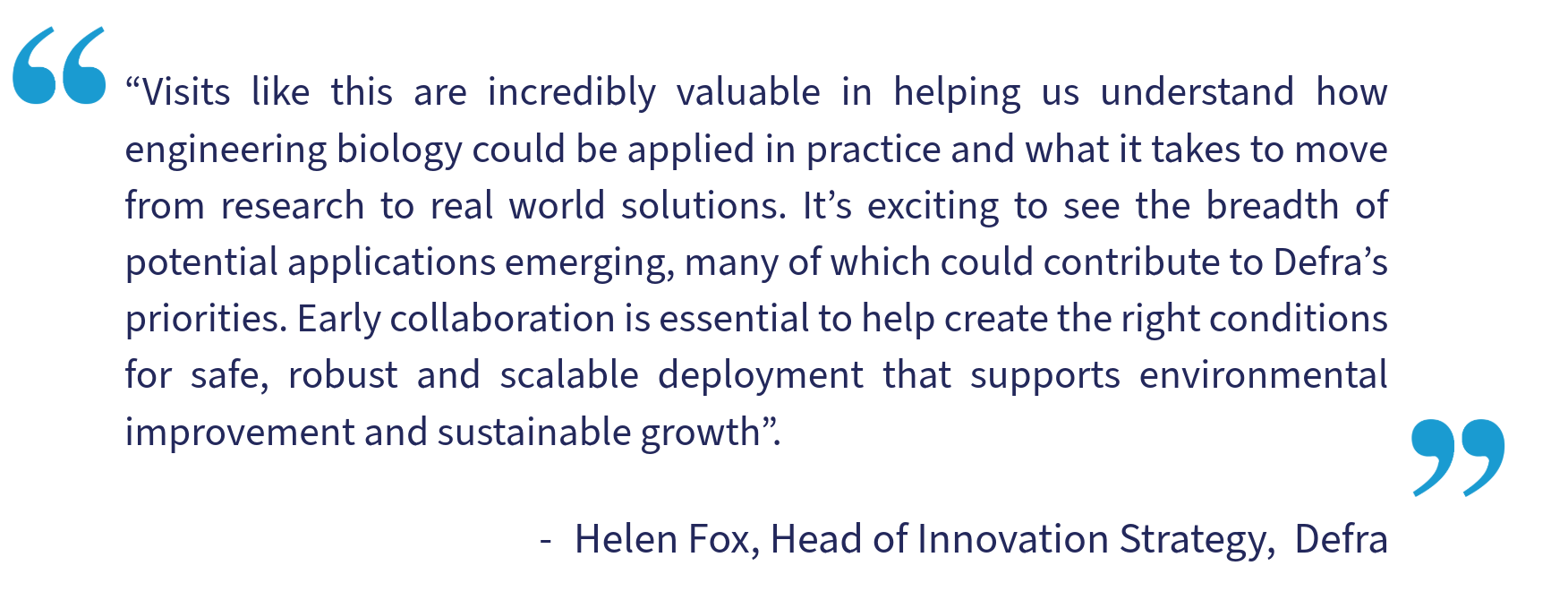
Overall, the visit underscored a central principle: early, structured collaboration between researchers, regulators, and industry is essential to realise the potential of engineering biology. By aligning innovation with regulatory frameworks and operational realities from the outset, it becomes possible to de-risk deployment, accelerate translation, and ensure that emerging technologies are not only scientifically robust, but scalable, safe, and capable of delivering measurable environmental impact.
Gallery – Scroll below to see more images from the day

Nicola Heaven
Knowledge Mobilisation and Science Communication Officer for EBIC
Learn More
UKCRIC National Research Facility for Water and Wastewater Treatment
Interested in EBIC’s work?
Learn more with our upcoming webinar – Metal and Rare Earth Element (REE) Bioleaching

