
EBIC Guidance on Deliberate Release Approval in the UK

Purpose of this guidance document
This document provides guidance on the regulatory pathway governing the Deliberate Release of Genetically Modified Microorganisms (GMMs). The Genetically Modified Organism (GMO) deliberate release regulations apply to both GMMs and other organisms. However, GMMs have different regulatory guidance due to their microbiological properties and relevant containment measures, which are not typical for GM plants or animals. Background information on the regulatory framework, risk assessment methodology and a step-by-step regulatory approval pathway is outlined below. Thorough understanding of the regulatory pathway is essential for those developing environmental solutions using GMMs who intend to conduct field trials for research and development, commercial GMM cultivation, and the placing of GMM derived products on the market.
Definition of Deliberate Release
Genetically modified organisms (GMOs) are defined as organisms whose genes have been artificially altered to modify their characteristics in some way or another. According to the Genetically Modified Organisms (Deliberate Release) Regulations 2002 (as amended), the definition of deliberate release follows the operative definition under the European Commission’s Council Directive 90/220/EEC (subsequently revoked and replaced by Directive 2001/18/EC) where deliberate release of a GMO is defined as intentionally introducing GMOs into the environment without containment measures designed to limit their contact with the public and the environment. The subsequent directive, Directive 2001/18/EC, governs both the deliberate release into the environment and the commercial placing on the market of GMOs. Whilst contained use employs specific containment measures (physical barriers, inactivation techniques, engineering controls) to prevent or minimise environmental exposure, deliberate release involves intentional environmental contact and therefore carries inherently higher potential for human and ecosystem interaction and irreversibility. Examples of deliberate release applications using GMMs are shown in Figure 1.
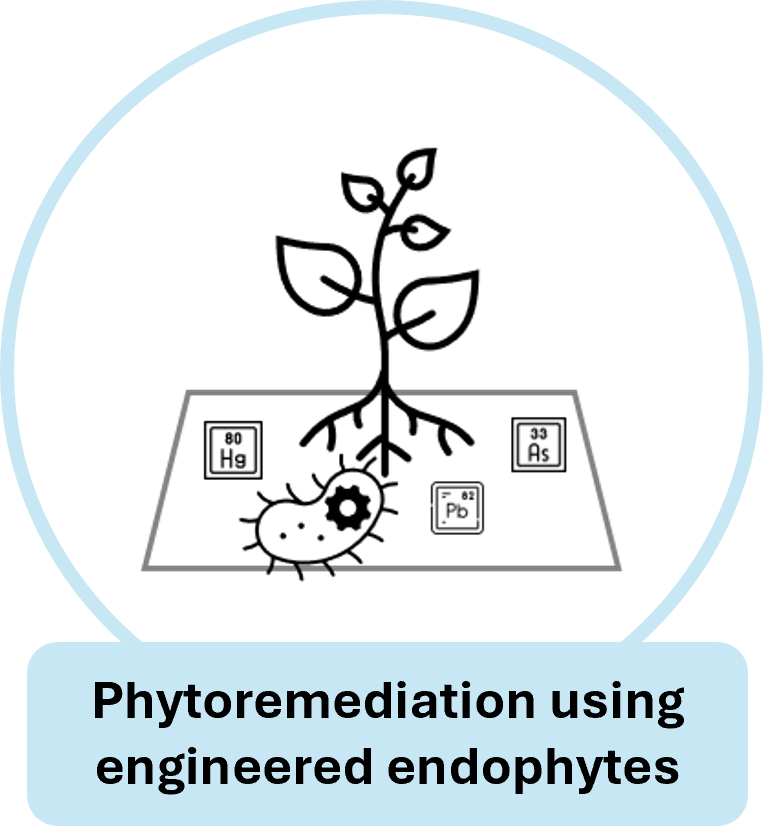
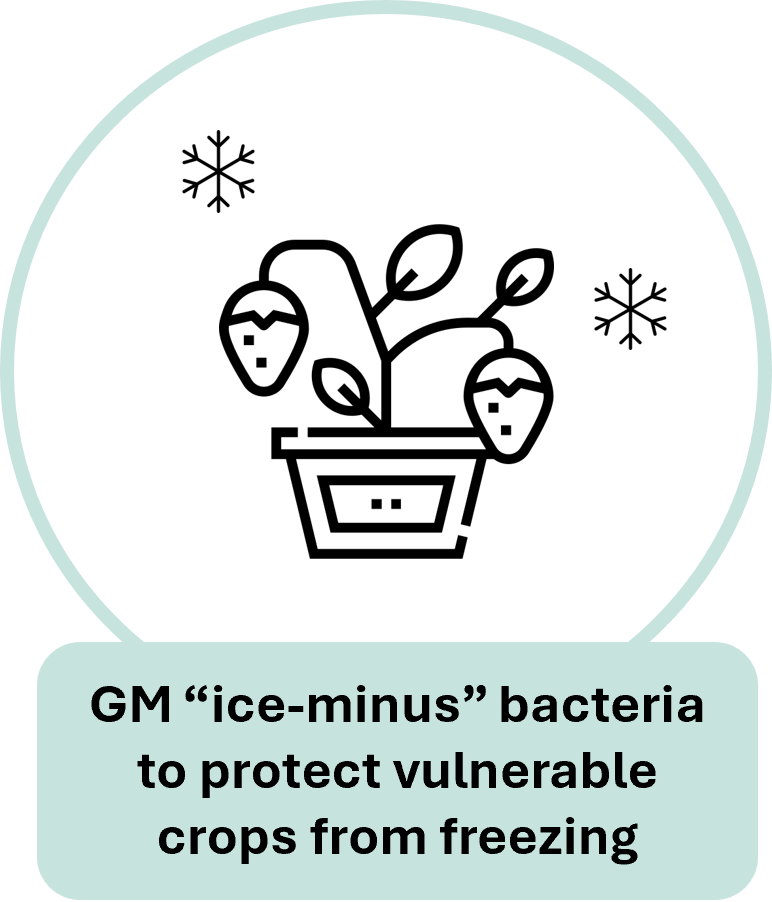
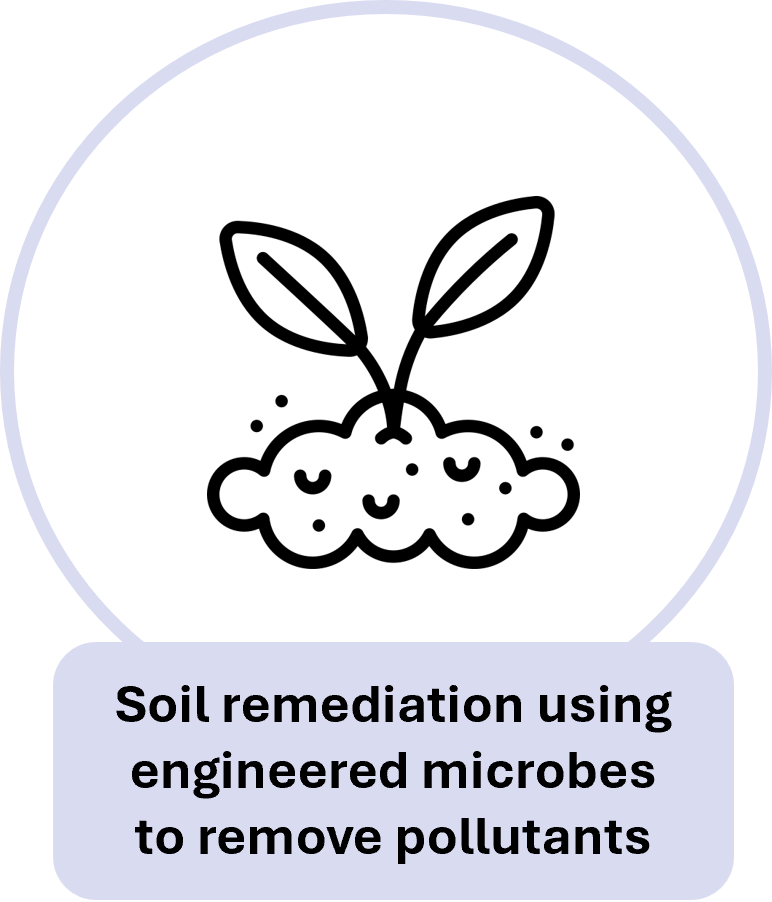
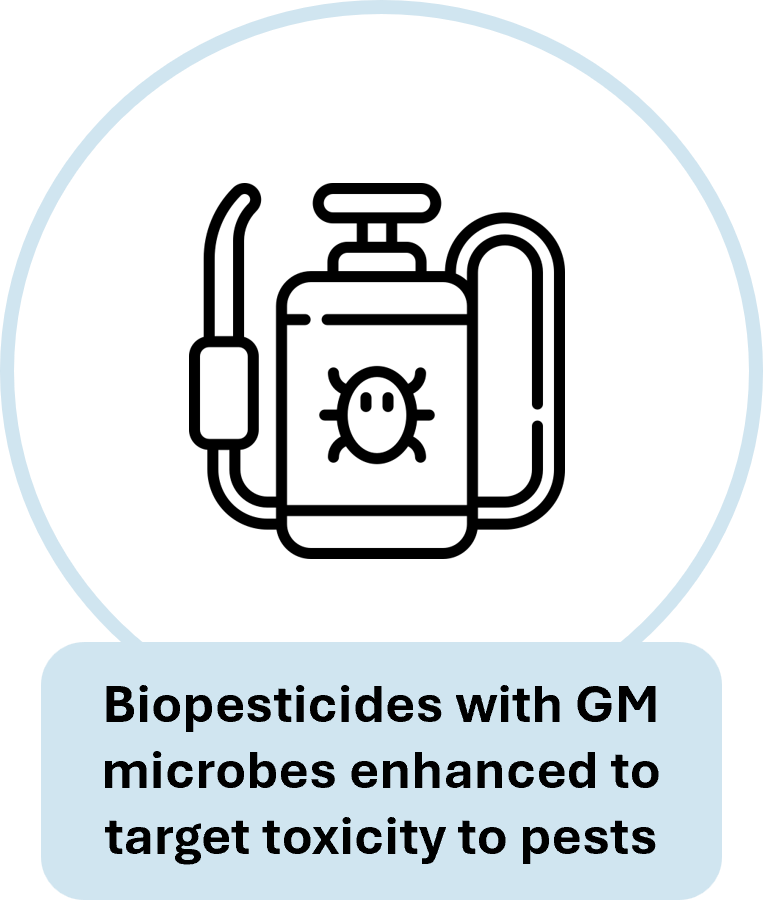
Figure 1. Examples of GMM activities intended for Deliberate Release
UK Regulatory Framework
England, Scotland, and Wales
The primary legislation governing deliberate release of GMOs in Great Britain (England, Scotland, and Wales) is the Genetically Modified Organisms (Deliberate Release) Regulations 2002 (SI 2002/2443) and Part VI of the Environmental Protection Act 1990 (EPA 1990). In England, the Department for Environment, Food and Rural Affairs (DEFRA) are the competent authority for deliberate release. The 2002 regulations were amended by the Genetically Modified Organisms (Deliberate Release) (Amendment) (England) Regulations 2022 to introduce new clauses relating to qualifying higher plants which, in turn was revoked and replaced by the Genetic Technologies (Precision Breeding) Regulations 2025.
In Scotland, the competent authority is the Scottish Government with the GM Inspectorate and Science and Advice for Scottish Agriculture (SASA) being responsible for ensuring compliance with the regulations. The primary legislation governing deliberate release for research is Part II of The Genetically Modified Organisms (Deliberate Release) (Scotland) Regulations 2002 and for commercial releases it is Part III.
The regulatory basis for Wales is similar to that for England and Scotland and the Welsh Government serve as the competent authority for deliberate release of GMOs into the environment in Wales.
Northern Ireland
In Northern Ireland, GMO deliberate release regulations are governed under a separate regulatory framework, the Genetically Modified Organisms (Deliberate Release) Regulations (Northern Ireland) 2003 (amended by the 2019 regulations). The competent authority for Northern Ireland is the Department of Agriculture, Environment and Rural Affairs (DAERA) which administers and implements regulations concerning the deliberate release of GMOs into the environment (such as research trials or marketing approvals).
The Advisory Committee on Releases to the Environment (ACRE)
ACRE is a statutory independent advisory committee appointed under Section 124 of the Environmental Protection Act 1990. It advises the Secretary of State on risks to human health and the environment from the release of GMOs / GMMs and works within the legislative framework of the GMO (Deliberate Release) Regulations 2002 (which implement the retained EU Directive 2001/18/EC). ACRE undertakes a review of all Deliberate Release applications and provide advice on:
- the risks posed to human health and the environment by the release or marketing of GMOs and any conditions which should be attached to consents
- the limitations and conditions of consents issued to released or marketed GMOs
- charges relating to the cost of issuing consents and in respect of maintaining inspection and enforcement regimes
- making of regulations under Part VI of the Environmental Protection Act 1990
- evaluation of new GM research findings
- any science-based GM matter
- research needs for risk assessment of GMOs
- releases into the environment of non-indigenous animals and plants
Notice of application for Deliberate Release
Advertisement in a national newspaper and notice to genetic modification safety committee (GMSC)
Regulation 12 (4c) of the GMO Deliberate Release Regulations requires the person responsible for the deliberate release activity applied for to advertise certain information relating to the intended release in a national newspaper. Following submission of an application for consent to deliberately release a GMO, the applicant must within 10 days, give written notice of application for Deliberate Release is given to a number of persons. This includes any person, or member of a genetic modification safety committee (GMSC), from whom advice must be obtained under Regulation 8 of the Genetically Modified Organisms (Contained Use) Regulations 2014. The notice must contain the information specified in Regulation 12 (1). Advice given by the appointed GMSC is not required in a deliberate release application, and the Health and Safety Executive (HSE) fulfils any such function.
How does the applicant navigate the two regulatory pathways concerning a GMSC/BSO?
The requirement to notify a GMSC/BSO of a GMM deliberate release activity does not mean that the GMSC approves the deliberate release application. The purpose is to ensure that the person or GMSC who has responsibility for providing advice on the applicant’s contained use risk assessment is made aware that an application for deliberate release has been submitted. The construction and initial characterisation of the GMM will normally be undertaken as a contained use activity where advice must be obtained from a GMSC if the use is Class 2 or above. Data generated during a contained use activity can be used to inform a deliberate release application. However, the deliberate release application itself must include both an environmental risk assessment prepared in accordance with Regulation 6 and the information required by Regulation 11. The precise regulatory requirements will depend on the proposed activity and the measures used to control exposure, since the same GMM may be subject to different regulatory requirements depending on context and application.
Approval Pathway: Step-by Step Guidance
To apply for consent to release a GMM in the UK, a formal notification and technical dossier must be submitted to the relevant competent authority (see Guidance for Developing Genetically Modified Organisms). The application requires two components:
- Part A: A1 Form (General Information) and A2 to A6 (the Technical Dossier)
- Part B which provides information for the public register
The overall regulatory approval pathway for GMOs under the deliberate release legislation is outlined in Figure 2 covering from early planning to operation and compliance
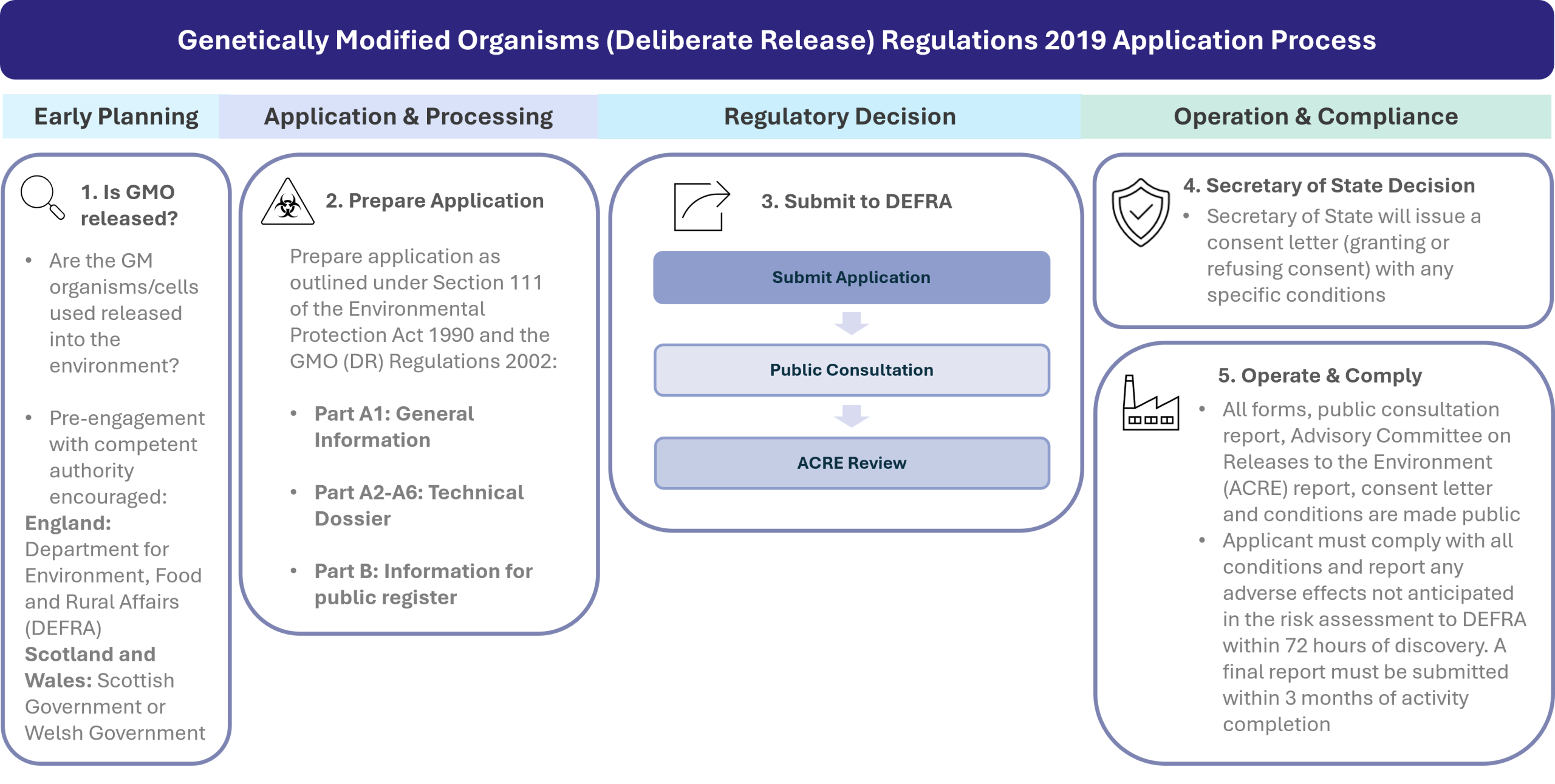
Figure 2. General application process for approved use of GMOs in Deliberate Release applications
The responsible person for each activity in the application process is outlined in Figure 3. The application undergoes public consultation and is reviewed by ACRE to DEFRA and the Devolved Administrations. If the application is approved, all forms, the consent letter and any conditions of approval are made public. The overall regulatory approval pathway for GMOs under the deliberate release legislation is outlined in Figure 2 covering from early planning to operation and compliance.
Responsible Person
Application Requirement
Where to find guidance
Pre-application Preparation
Establish a GMSC
Preparation of application (Part A and B)
Public Consultation
ACRE Review
Secretary of State Decision
Operation and Compliance
Applicant
Competent authority
Public representatives
ACRE Committee
Figure 3. Responsible persons for GMO deliberate release application requirements and links to guidance
(I) Pre-Application Engagement
Before conducting any GMO work, applicants should engage with their relevant competent authority to discuss:
- The nature and form of the proposed release
- Environmental Risk Assessment (ERA) approach
- Notification requirements before submitting a formal application
Competent Authority Contacts:
- England – gm-regulation@defra.gov.uk
- Northern Ireland – policy@daera-ni.gov.uk
- Scotland – GMInspectorate@sasa.gov.scot
- Wales – health@gov.wales
(II) Prepare Application
Compile the application as outlined under Section 111 of the Environmental Protection Act 1990 and the GMO (Deliberate Release) Regulations 2002.
(III) Submit Application
Submit application including Part A and Part B to relevant competent authority who place it on the public register.
(IV) Public Consultation
A statutory public consultation period runs for approximately 12 weeks (in line with the UK Government Code of Practice on Consultation). Any member of the public or organisation may submit representations.
(V) ACRE Review
ACRE independently reviews the risk assessment and any public representations, then provides its advice to DEFRA. ACRE’s assessment is published alongside the application.
(VI) Secretary of State Decision
DEFRA considers ACRE’s recommendations along with public representations and advise the Secretary of State on issuance of a consent letter (granting or refusing consent) together with any conditions. HSE confirms agreement with the risk assessment regarding human health.
(VII) Operation and Compliance
The applicant must comply with any and all conditions issued with the consent letter. Any adverse effects not anticipated in the ERA must be reported to DEFRA within 72 hours of discovery. A final report must be submitted within three months of activity completion.
Information required for consent to release a GMO – organisms other than a higher plant
To apply for consent to release a genetically modified organism (GMO) other than a higher plant (e.g., microorganisms, animals, or insects) in the UK, you must submit a formal notification and technical dossier to the relevant competent authority. The application requires: a completed Part A1 Form (General Information), a completed Part A2 to A6 Form (Technical Dossier), and a completed Part B form. Once submitted, DEFRA consults with ACRE during the review period. Each consent granted is published including the application forms as well as a consent letter confirming consent and outlining any conditions and ACRE advice. Applicants are strongly encouraged to consult with the appropriate national competent authority before completing an application to ensure that necessary requirements are met before formal submission.
Part A1:
Part I: General Information
- The name and address of the applicant and the name, qualifications, and experience of the scientist and of every other person who will be responsible for planning and carrying out the release of the organisms and for the supervision, monitoring and safety of the release.
- Title of the project
Part II: Information relating to the organisms
Characteristics of the donor, parental and recipient organisms
- Scientific name and taxonomy
- Usual strain, cultivar or other name
- Phenotypic and genetic markers
- The degree of relatedness between the donor and recipient or between parental organisms.
- A description of identification and detection techniques.
- The sensitivity, reliability (in quantitative terms) and specificity of detection and identification techniques.
- A description of the geographic distribution and of the natural habitat of the organisms including information on natural predators, prey, parasites and competitors, symbionts and hosts.
- The organisms with which transfer of genetic material is known to occur under natural conditions.
- Verification of the genetic stability of the organisms and factors affecting that stability.
- The following pathological, ecological and physiological traits:
- the classification of hazard according to existing Community rules concerning the protection of human health and the environment
- the generation time in natural ecosystems, and the sexual and asexual reproductive cycle
- information on survivability, including seasonability and the ability to form survival structures, including seeds, spores and sclerotia
- pathogenicity, including infectivity, toxigenicity, virulence, allergenicity, carrier (vector) of pathogen, possible vectors, host range including non-target organisms and possible activation of latent viruses (proviruses) and ability to colonise other organisms
- antibiotic resistance, and potential use of these antibiotics in humans and domestic organisms for prophylaxis and therapy
- involvement in environmental processes including primary production, nutrient turnover, decomposition of organic matter and respiration
- The sequence, frequency of mobilisation and specificity of indigenous vectors and the presence in those vectors of genes which confer resistance to environmental stresses.
- The history of previous genetic modifications.
Characteristics of the vector
- The nature and source of the vector
- The sequence of transposons, vectors and other non-coding genetic segments used to construct the genetically modified organisms and to make the introduced vector and insert function in those organisms.
- The frequency of mobilisation, genetic transfer capabilities and/or methods of determination of the inserted vector.
- The degree to which the vector is limited to the DNA required to perform the intended function.
Characteristics of the modified organisms
- The methods used for the modification.
- The methods used:
- to construct inserts and introduce them into the recipient organism Parent strain
- to delete a sequence
- A description of any insert and/or vector construction
- The purity of the insert from any unknown sequence and information on the degree to which the inserted sequence is limited to the DNA required to perform the intended function.
- The methods and criteria used for selection
- The sequence, functional identity and location of the altered, inserted or deleted nucleic acid segments in question and, in particular, any known harmful sequence.
Characteristics of the genetically modified organisms in their final form
- A description of genetic traits or phenotypic characteristics and in particular any new traits and characteristics which may be expressed or no longer expressed
- The structure and amount of any vector or donor nucleic acid remaining in the final construction of the modified organisms
- The stability of the organism in terms of genetic traits
- The rate and level of expression of the new genetic material in the organisms and the method and sensitivity of measurement of that rate and level
- The activity of the gene product.
- A description of identification and detection techniques, including techniques for the identification and detection of the inserted sequence and vector.
- The sensitivity, reliability (in quantitative terms) and specificity of detection and identification techniques.
- The history of previous releases or uses of the organisms.
- In relation to human health, animal health and plant health:
- the toxic or allergenic effects of the non-viable organisms and/or their metabolic products
- the comparison of the organisms to the donor, recipient or (where appropriate) parental organism regarding pathogenicity
- the capacity of the organisms for colonization
- if the organisms are pathogenic to humans who are immunocompetent:
- diseases caused and mechanisms of pathogenicity including invasiveness and virulence
- communicability
- infective dose
- host range and possibility of alteration
- possibility of survival outside of human host
- presence of vectors or means of dissemination
- biological stability
- antibiotic-resistance patterns
- allergenicity and x. availability of appropriate therapies
-
- Other product hazards
Part III: Information relating to the conditions of release
The release
- A description of the proposed deliberate release, including the initial purpose or purposes of the release and any intention to use the genetically modified organisms as or in a product in the future
- The intended dates of the release and time planning of the experiment including frequency and duration of releases.
- The preparation of the site before the release
- The size of the site.
- The method or methods to be used for the release.
- The quantity of organisms to be released.
- The disturbance of the site, including the type and method of cultivation, mining, irrigation, or other activities.
- Worker protection measures taken during the release.
- Post-release treatment of the site
- The techniques foreseen for elimination or inactivation of the organisms at the end of the experiment or other purposes of the release.
- Information on, and the results of, previous releases of the organisms and in particular, releases on a different scale or into different ecosystems
The environment (both on the site and in the wider environment)
- The geographical location and national grid reference of the site or sites onto which the release will be made, or the foreseen areas of use of the product.
- The physical or biological proximity of the site to humans and other significant biota.
- The proximity to significant biotopes, protected areas or drinking water supplies.
- The climatic characteristics of the region or regions likely to be affected
- The geographical, geological and pedological characteristics.
- The flora and fauna, including crops, livestock and migratory species.
- The description of target and non-target ecosystems likely to be affected.
- A comparison of the natural habitat of the recipient organisms with the proposed site or sites of release.
- Any known planned developments or changes in land use in the region which could influence the environmental impact of the release.
Part IV: Information relating to the interactions between the organisms and the environment
Characteristics affecting survival, multiplication and dissemination
- The biological features which affect survival, multiplication and dispersal.
- Known or predicted environmental conditions which may affect survival, multiplication and dissemination, including wind, water, soil, temperature and pH.
- Sensitivity to specific agents.
Interactions with the environment
- The predicted habitat of the organism.
- Studies of the behaviour and characteristics of the organisms and their ecological impact carried out in simulated natural environments, such as microcosms, growth rooms and greenhouses.
- The capability of post-release transfer of genetic material:
- from the genetically modified organisms into organisms in affected ecosystems
- from indigenous organisms to the genetically modified organisms
- The likelihood of post-release selection leading to the expression of unexpected or undesirable traits in the genetically modified organisms.
- The measures employed to ensure and to verify genetic stability, the description of genetic traits which may prevent or minimise dispersal of genetic material and methods to verify genetic stability.
- The routes of biological dispersal, known or potential modes of interaction with the disseminating agent, including inhalation, ingestion, surface contact and burrowing.
- A description of ecosystems to which the organisms could be disseminated.
- The potential for excessive population increase of the organisms in the environment.
- The competitive advantage of the organisms in relation to the unmodified recipient or parental organism or organisms.
- The identification and description of the target organisms if applicable
- The anticipated mechanism and result of interaction between the released organisms and the target organisms if applicable.
- The identification and description of non-target organisms which may be adversely affected by the release of the genetically modified organisms, and the anticipated mechanisms of any identified adverse reaction.
- The likelihood of post-release shifts in biological interactions or in the host range.
- The known or predicted interactions with non-target organisms in the environment, including competitors, prey, hosts, symbionts, predators, parasites and pathogens.
- The known or predicted involvement in biogeochemical processes.
- Any other potentially significant interactions with the environment.
Part V: Information on monitoring, control, waste treatment and emergency response plans
Monitoring techniques
- Methods for tracing the organisms and for monitoring their effects.
- Specificity (to identify the organisms and to distinguish them from the donor, recipient or, where appropriate, the parental organisms), sensitivity and reliability of the monitoring techniques.
- Techniques for detecting transfer of the donated genetic material to other organisms.
- Duration and frequency of the monitoring.
Control of the release
- Methods and procedures to avoid and/or minimise the spread of the organisms beyond the site of release or the designated area for use.
- Methods and procedures to protect the site from intrusion by unauthorised individuals.
- Methods and procedures to prevent other organisms from entering the site.
Waste treatment
- Type of waste generated.
- Expected amount of waste.
- Description of treatment envisaged.
Emergency response plans
- Methods and procedures for controlling the organisms in case of unexpected spread.
- Methods, such as eradication of the organisms, for decontamination of the areas affected.
- Methods for disposal or sanitation of plants, animals, soils and any other thing exposed during or after the spread.
- Methods for the isolation of the areas affected by the spread.
- Plans for protecting human health and the environment in case of the occurrence of an undesirable effect.
Part VI: A description of the methods used or a reference to standardised or internationally recognised methods used to compile the information required by this schedule, and the name of the body or bodies responsible for carrying out the studies
Parts A2–A6: Technical Dossier
Part A2: Data or results from any previous releases of the GMO
Provide information on data or results from any previous releases of this GMO by you either inside or outside the European Community (especially the results of monitoring and the effectiveness of any risk management procedures).
Part A3: Details of previous applications for release
Give details of any previous applications to release the GMO made to the Secretary of State under the 2002 Regulations or to another Member State under the Deliberate Release Directive 2001/18/EC
Part A4: Risk assessment and a statement on risk evaluation
Risk assessments on:
- Environmental impact of the release of the GMOs
- Factors affecting dissemination
- Human health impact
- Monitoring the GMO
- Emergency response
Risk evaluations on:
- Pathogenicity
- Production of biologically active/toxic products
- Genetic stability; reversion to virulence; or recombination with other pneumonoviruses
- Survival/dissemination
Part A5: Assessment of commercial or confidentiality of information contained in this application
Identify clearly any information that is considered to be commercially confidential. A clear justification for keeping information confidential must be given.
Part A6: Statement on whether detailed information on the description of the GMO and the purpose of release has been published
Make a clear statement on whether a detailed description of the GMO and the purpose of the release have been published, and the bibliographic reference for any information so published (included to assist with protection of the applicant’s intellectual property rights, which may be affected by the prior publication of certain detailed information e.g. by its inclusion on the public register).
Part B: Information about the release application to be included on the public register
- B1: The name and address of the applicant
- B2: A general description of the genetically modified organisms in relation to which the application is being made
- B3: The location at which the genetically modified organisms are proposed to be released
- B4: The purpose for which the genetically modified organisms are proposed to be released (including any future use to which they are intended to be put)
- B5: The intended dates of the release
- B6: The environmental risk assessment
- B7: The methods and plans for monitoring the genetically modified organisms and for responding to an emergency
Risk Assessment Methodology
In the UK, the Environmental Risk Assessment (ERA) principles and methodology for GMOs follows those outlined in Annex II of the Deliberate Release Directive (Directive 2001/18/EC). It establishes a case-by-case evaluation of potential direct, indirect, immediate, or delayed adverse effects on human health and the environment. The six steps of the ERA process are:
Step 1: Problem formulation including identification of hazard and exposure pathways:
Defines the scope and objectives of the ERA and identifies potential hazards. It involves characterising the GMO (phenotypic and genomic characteristics); describing the environment of the proposed release; and provide a problem formulation.
Step 2: Hazard Characterisation:
Hazard characterisation identifies and evaluates the potential adverse effects of the GMO.
Major hazards will include:
- Persistence and invasiveness, including gene flow
- Effects on target and non-target organisms
- Effects on specific habitats and ecosystem
- Impacts on human and animal health
Step 3: Exposure Characterisation
Exposure characterisation assesses the likelihood, scale, and route by which the identified hazard could come into contact with the identified target.
Step 4: Risk Characterisation:
Risk characterisation integrates the outputs of hazard and exposure characterisation to estimate the magnitude, probability, and reversibility of potential adverse effects. Risk characterisation takes explicit account of uncertainty and precautions, and can be characterised as:
- Negligible risk
- Potential risk subject to risk management
- Unacceptable risk
Step 5: Risk Management Strategies:
Risk management strategies must be proposed to reduce or eliminate potential adverse effects, where risks are no negligible. Strategies include for example: isolating site from non-GM crops or ecologically sensitive habitats, refuge requirements, monitoring obligations, and geographic restrictions.
Step 6: Overall Risk Evaluation and Conclusions:
The overall risk evaluation integrates all ERA outputs into a coherent conclusion on whether the GMO in its intended use and receiving environment can be considered safe.
Visit EBIC Website: https://ebicentre.co.uk/
Disclaimer: This document is for information purposes only and provides general guidance about the process of applying for and securing approval for the use of Genetically Modified Organisms. The guidance is not intended to constitute advice in relation to any specific case. Every attempt has been made to present up to date and accurate information. We provide no warranty as to the accuracy of the information contained in this guidance and accept no liability for any loss, damage or inconvenience caused as a result of reliance on such information. We are not responsible for the content of external websites which are linked from this guidance. Contact your local competent authority at https://www.gov.uk/guidance/developing-genetically-modified-organisms for feedback and more information.

