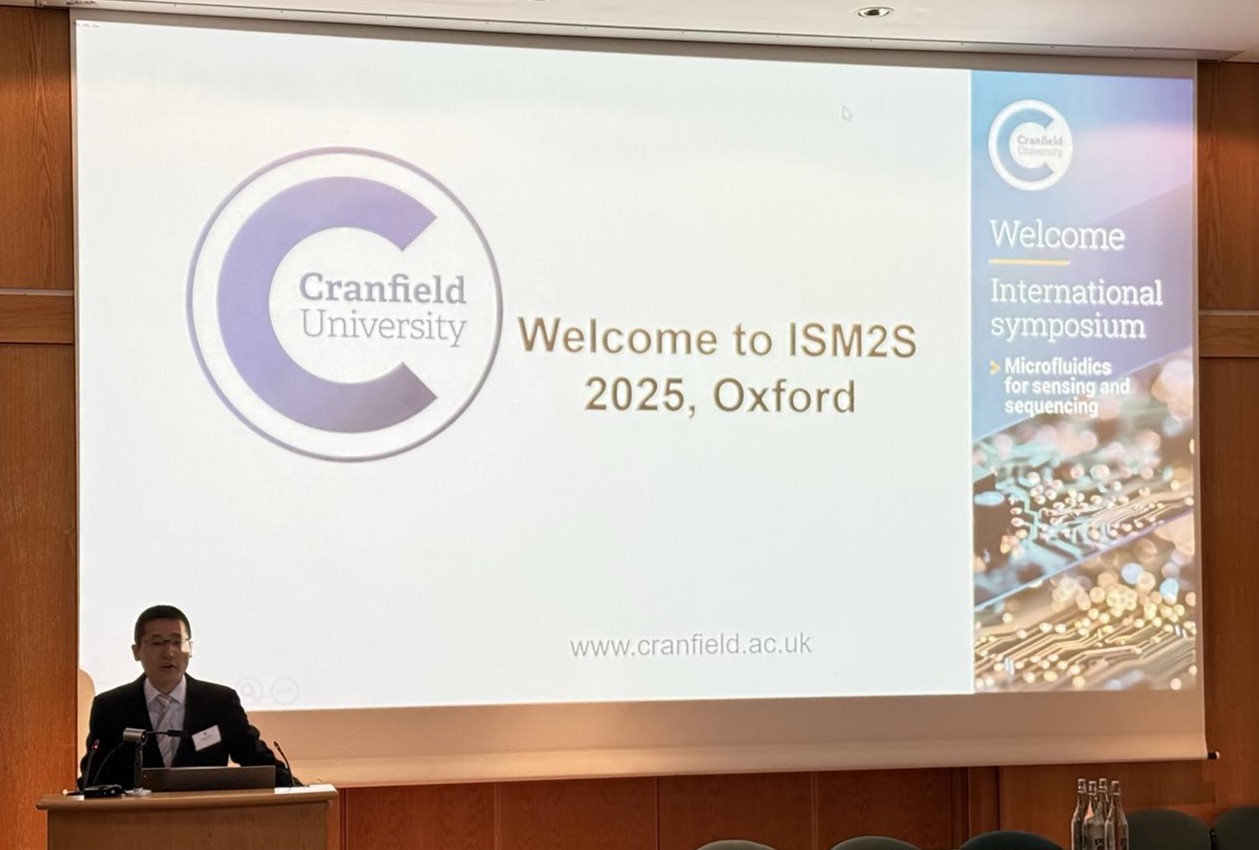
Global Experts Converge at Oxford for ISM2S 2025: Microfluidics Advancing Health and Environmental Solutions
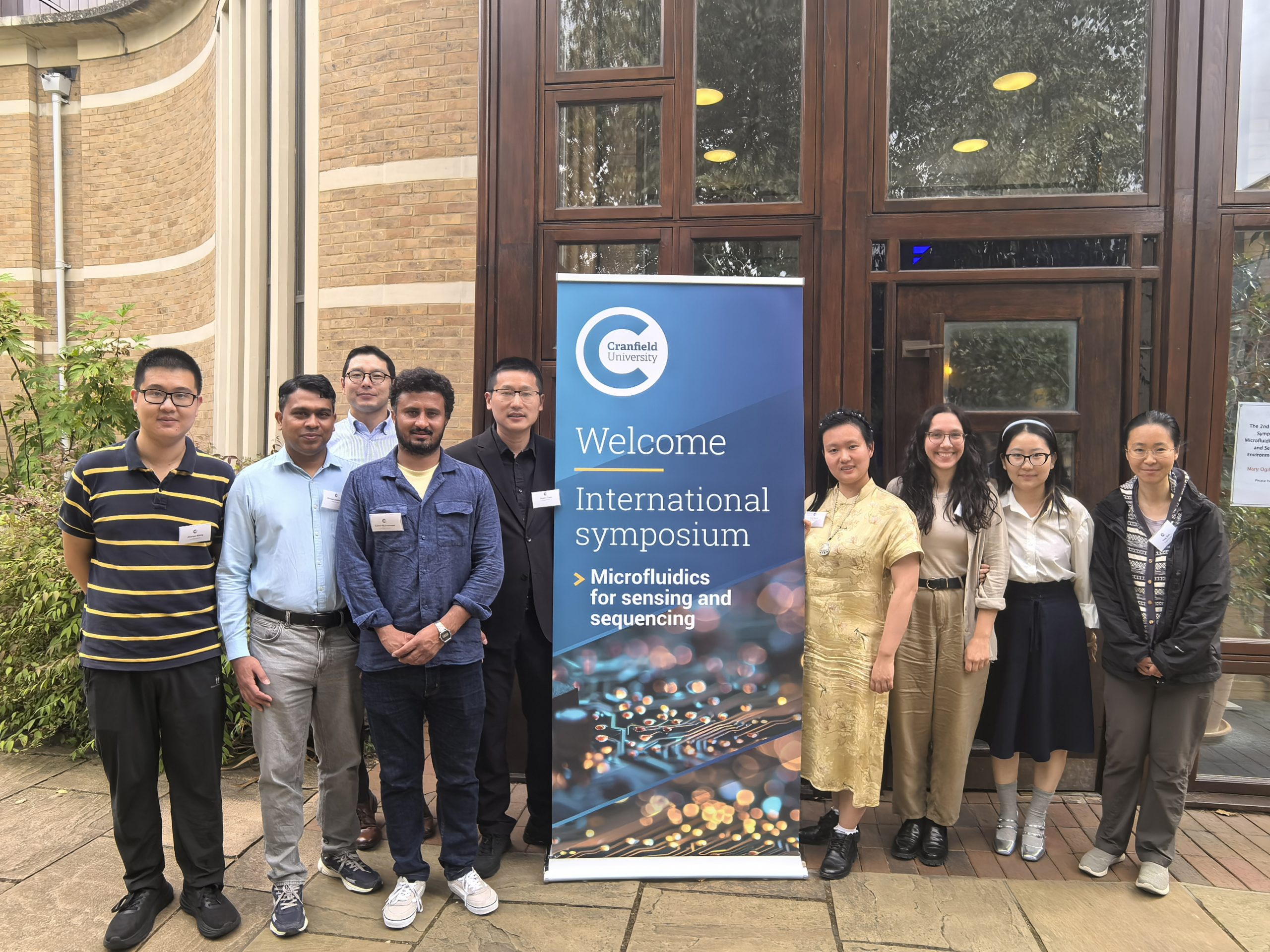
The 2nd International Symposium on Microfluidics for Sensing and Sequencing (ISM2S 2025), held from July 29–30 at St Anne’s College, University of Oxford, marked another milestone in advancing interdisciplinary research at the interface of microfluidics, biosensing, environment and public health, and environment. Hosted by Cranfield University’s Professor Zhugen Yang and his team, the symposium convened leading scientists from around the globe to explore cutting-edge innovations in biosensing, single-cell analysis, diagnostics, AMR, engineering biology and environmental health and one health.
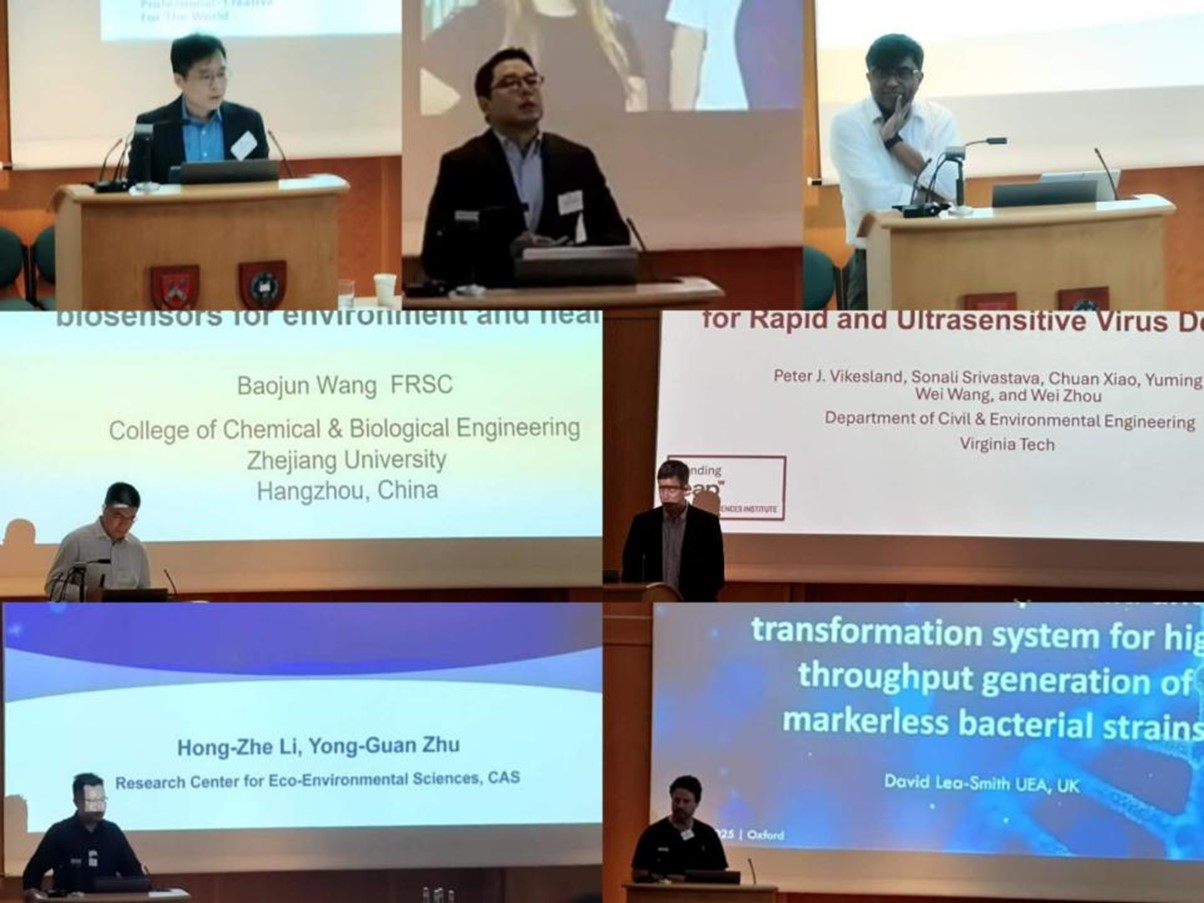
Esteemed keynote speakers included Prof. David A. Weitz (Harvard University), who showcased droplet microfluidics for ultra-high-throughput enzyme screening and multiplex PCR diagnostics, and Dame Prof. Molly Stevens (Oxford University), who presented bioengineered platforms, wearable sensors, and CRISPR-based diagnostics. Prof. Xinyu Liu (University of Toronto) demonstrated robotic microfluidic platforms for C. elegans phenotyping, while Prof. Tianhong Cui (University of Minnesota) introduced shrink polymer-based nanofabrication for high-throughput cancer sensors. Prof. Zhanfeng Cui (Oxford University) highlighted his OxLAMP and Direct PCR platforms for rapid molecular diagnostics, and Dr. Min Yang (Chinese Academy of Sciences) shared recent advances in epicPCR for tracking antibiotic resistance in aquatic environments.
With six thematic sessions spanning single-cell analysis, microfluidics solutions, point-of-care diagnostics, antimicrobial resistance (AMR), One Health, and environmental biosensing, ISM2S 2025 provided a high-impact platform for dialogue, collaboration, and innovation. Young researchers also shone in the Early Career Researcher Flash Presentation session, with Dr. Chenyu Cui (CityU HK) receiving the Best ECR Presentation Award.
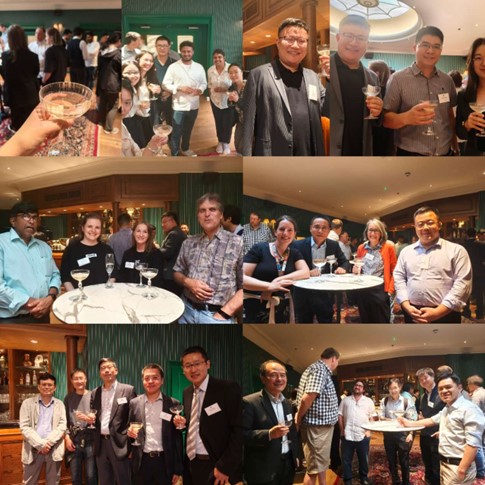
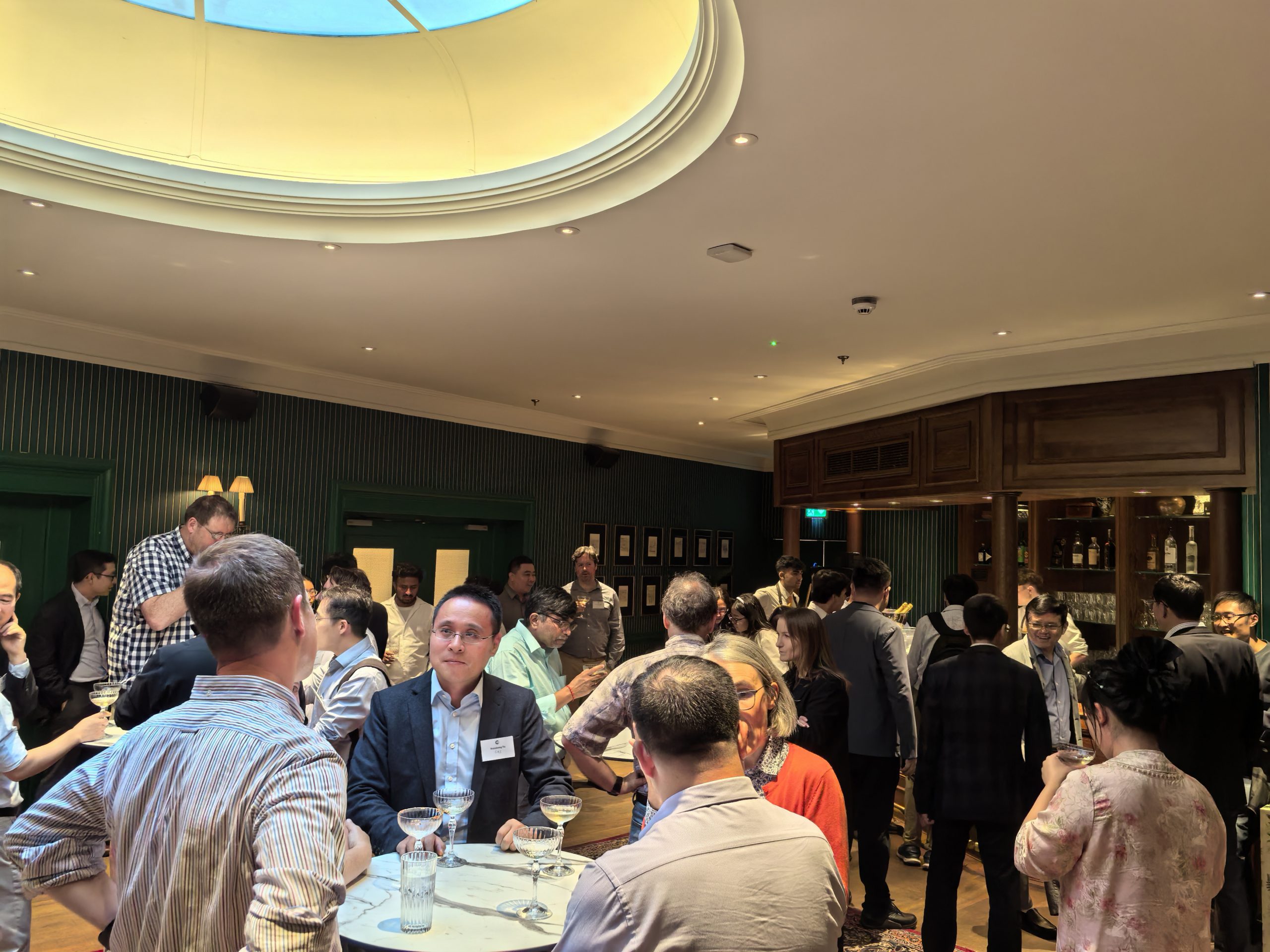
Beyond the academic discourse, social events such as poster sessions and the Gala Dinner at the Randolph Hotel fostered interdisciplinary networking, catalyzing collaborations across continents and disciplines. As ISM2S 2025 concludes, the community now looks forward to ISM2S 2026, continuing its mission to harness microfluidics in solving global health and environmental challenges.
We thank the sponsors from BBSRC EBNet, EBIC, ARREST-AMR and the industrial sectors

Professor Zhugen Yang, of EBIC & Cranfield University, reporting on the international symposium on Microfluidics.
Gallery
Please click below to view some photos from the event, kindly provided by Professor Zhugen Yang.